No girl should grow up without this knowledge


For the majority of young people, sexual and reproductive health and rights is not a subject openly discussed at home, in school, or within the community. As a result, vital information about their health, rights, and choices often remains out of reach.
Eighteen-year-old Sumi exemplifies the harsh realities faced by countless young women in Bangladesh. Married and already a mother, she resides in a cramped urban slum in Dhaka, navigating the complexities of sexual and reproductive health with little knowledge or support. When we spoke with her, Sumi revealed an unsettling truth: it was the first time she had ever encountered the term "Sexual and Reproductive Health and Rights" (SRHR). Notably, this was not a first impression of the concept but rather a jarring introduction to a crucial aspect of her life that had long remained shrouded in silence.
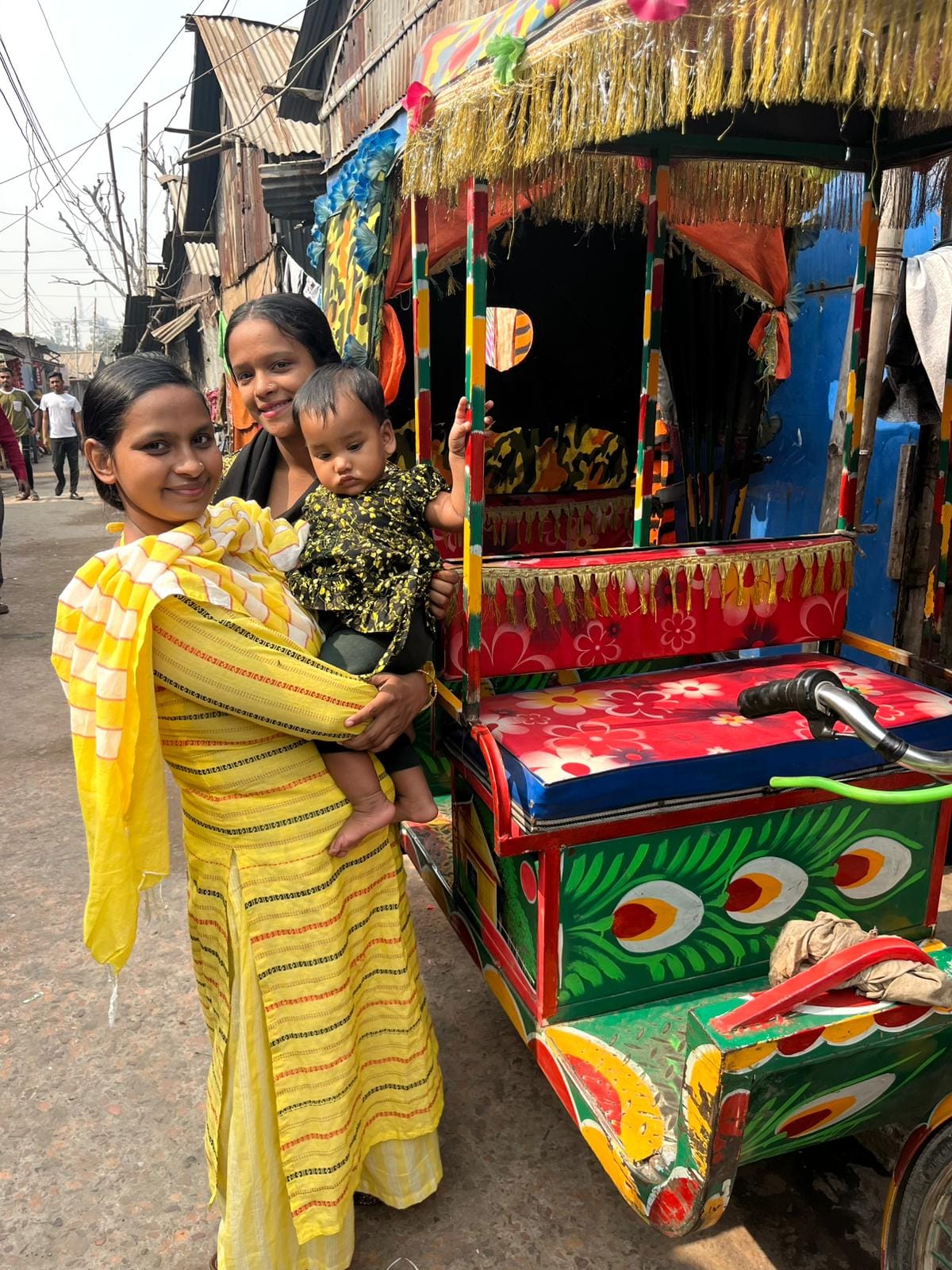
This stark contradiction lies at the heart of a pressing issue. Young girls like Sumi are not merely on the brink of reproductive life; they are entrenched within it, often against their will and almost always devoid of the necessary tools to navigate it autonomously. The reality is that the majority of these young women are thrust into complexity without adequate understanding or resources.
According to UNICEF (2025), Bangladesh has the highest rate of child marriage in Asia, with over half of women aged 20 to 24 married before their eighteenth birthday. The Bangladesh Demographic and Health Survey (2022) presents alarming statistics: nearly one in four married adolescents has already embarked on the journey of motherhood. Moreover, fewer than half of married adolescent girls aged 15 to 19 are able to make informed decisions regarding their own reproductive health.
These findings paint a picture of girls who are not merely unfamiliar with reproductive health; they are living the consequences of its absence in their lives. They are actively engaged in the intricate web of reproductive realities without access to the critical information, health services, or rights frameworks that would empower them to reclaim agency over their reproductive lives and futures.
National policy has tried to respond to these crises. The National Adolescent Health Strategy 2017-2030 commits to sexual and reproductive health access for all young people. The National Education Policy introduced reproductive health content into secondary school curricula more than fifteen years ago. But the distance between policy commitment and lived reality remains vast. Teachers routinely skip these lessons. Topics such as consent, gender and reproductive rights, menstrual management, and family planning are treated as too sensitive to discuss. And for the girls who leave school before reaching secondary level—a reality for most girls growing up in urban slums—even this limited support never reaches them.
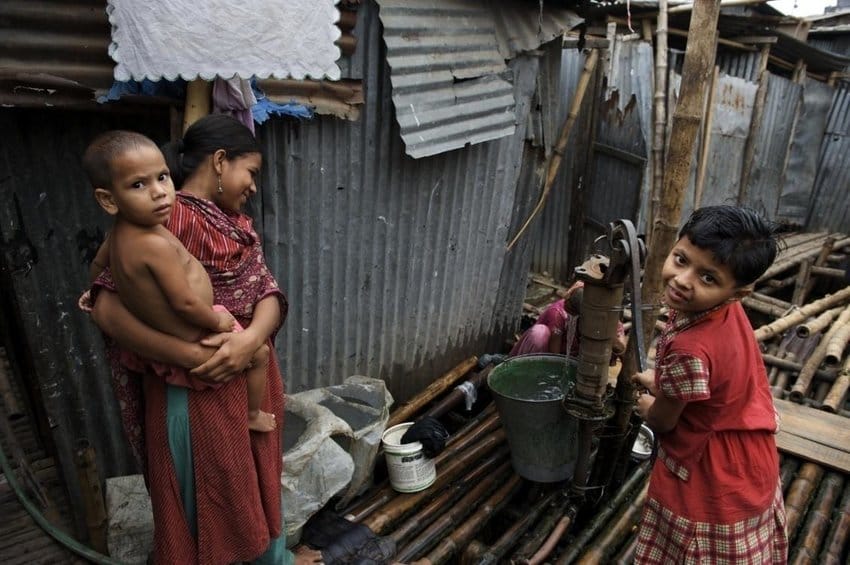
In urban slums, this plays out with particular force. A UNICEF (2024) report on child labour and schooling found that dropout rates among adolescent girls aged 15 to 17 in urban slums reach approximately 50% following marriage. These are girls who cannot name the contraceptive options available to them, do not know what services exist nearby, and have never been told that consent or bodily autonomy are rights they are permitted to claim. They are not on the margins of reproductive life. They are at its centre, without a map.
Digital platforms have emerged as one of the few avenues for addressing this gap, though they remain far from a complete solution. In Bangladesh, access to digital technology has expanded rapidly, including among low-income urban communities. According to the Bangladesh Bureau of Statistics, 99% of households own at least one mobile phone, while 72.7% have access to a smartphone. This growing digital connectivity creates opportunities for digital content to reach young people in private, stigma-free ways that classroom instruction and clinic visits often cannot. The evidence of demand is striking. MayaApa, a digital health platform, allows users to submit sensitive health questions anonymously and receive responses from professionals. On YouTube, content developed through KONNECT, a joint initiative of the Government of Bangladesh and Save the Children, has reached audiences that formal health education never could. A single video on puberty has been watched more than 774,000 times. The comments left beneath it are telling: "I wish I had known this earlier." "Please make more videos like this." "I finally understand what is happening to me." These are not the responses of people discovering a distant topic. They are the responses of young people who have been living through these experiences without the understanding they needed.
Yet for many young girls in Dhaka's urban slums, these digital opportunities remain limited. Smartphones are shared within households, and girls are routinely the last to access them. Restrictions imposed by family members, poor connectivity, and low digital literacy all compound the barrier. And beyond access, there is the question of relevance. Most digital SRHR content was not designed with girls in urban slums in mind. When the content does not speak to where you actually are, it does not reach you, even when you technically have access to it.
The platforms exist and the demand is real. Closing the distance between them requires deliberate effort: content co-created with girls in urban slum communities rather than simply aimed at them, distributed through channels that account for shared phones and poor connectivity, and covering consent, rights, and the ability to make or refuse decisions about one's own body—the content most consistently absent and most urgently needed. It also requires the Ministry of Health and Family Welfare and the Ministry of Education to treat this as a shared problem. Girls who are out of school, married, and living in urban poverty fall through the gap between their mandates as currently understood. That gap needs to close.
If digital SRHR education does not reach the girls who need it most, the consequences will be felt across generations. Girls who cannot exercise their reproductive rights cannot protect themselves within early marriages, delay pregnancies they did not choose, or access services they do not know exist. The progress Bangladesh has made in reducing child marriage and improving maternal health will continue to stall precisely where need is greatest. A country that excludes its most vulnerable girls from conversations about their own bodies and rights is not narrowing inequalities. It is deepening them.
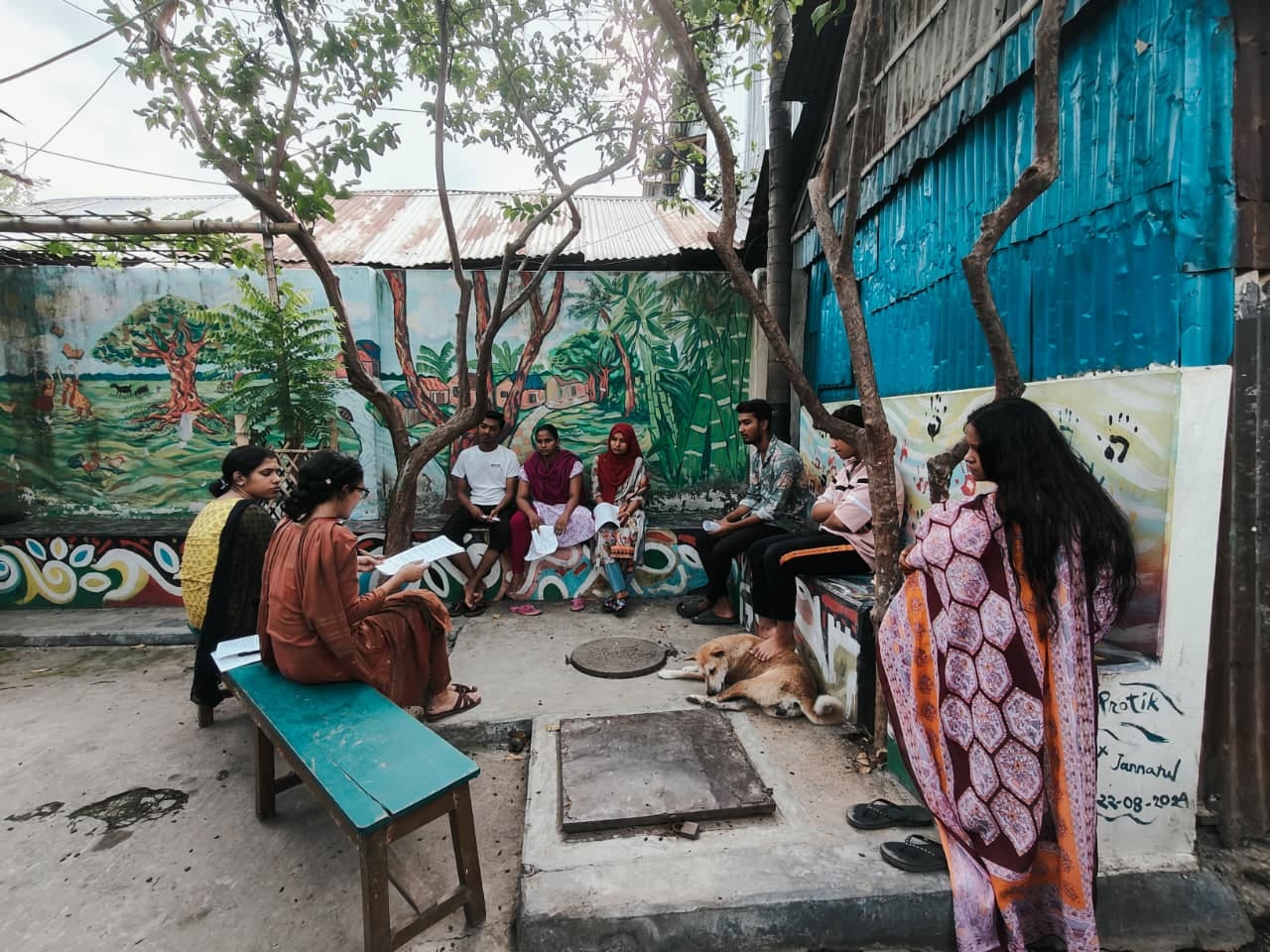
The experiences cited in this article reflect initial findings from field visits conducted as part of the Together Project 2.0, an ongoing research initiative on SRHR education among marginalised youth in Bangladesh at the BRAC James P Grant School of Public Health, BRAC University.
Suchona Rani Kairi and Zumana Hayat Khan are early-career public health researchers based in Dhaka, Bangladesh.
Send your articles for Slow Reads to slowreads@thedailystar.net. Check out our submission guidelines for details.
The mountain must not fall: Indigenous responses to landslides in Rangamati
Life and death on Bangladesh’s char islands

Beyond the dream: The unspoken reality of international students
The sacred water world of the Sundarbans

The living knowledge of Bonojibis and why it matters

Sea widows: When fishermen never return from the sea
The untold suffering of Bangladeshi workers during Hajj

Can we save the school for Rangpur’s street children?
Interview / Why the Haor film Kura Pakkhir Shunye Ura matters today