


The silencing of a philosopher

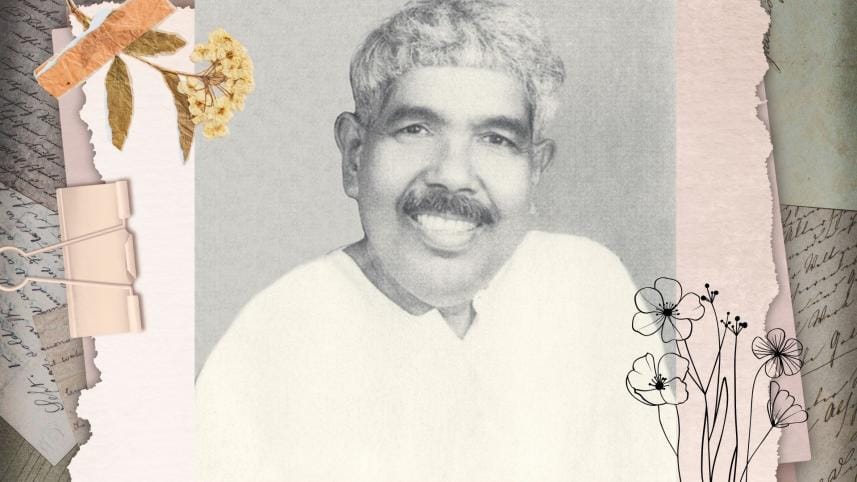
Dr Gobinda Chandra Deb was among the finest philosophers produced by Bengal, a thinker whose life was guided by profound humanism, ethical reason, and compassion. Born in Sylhet and educated in Calcutta, he earned his PhD from Calcutta University in 1944 and joined the Department of Philosophy at Dhaka University in 1951. A scholar of pragmatic idealism, he believed deeply in intellectual freedom and the inherent dignity of all human beings.
Known for his gentle, ascetic way of life and lifelong bachelorhood, Dr Deb was often regarded as a sage within academic circles. He opened his home to students, many of whom he embraced as family, offering not only intellectual guidance but personal care and moral support. His classroom and his home alike were spaces of dialogue, tolerance, and trust.
 For all latest news, follow The Daily Star's Google News channel.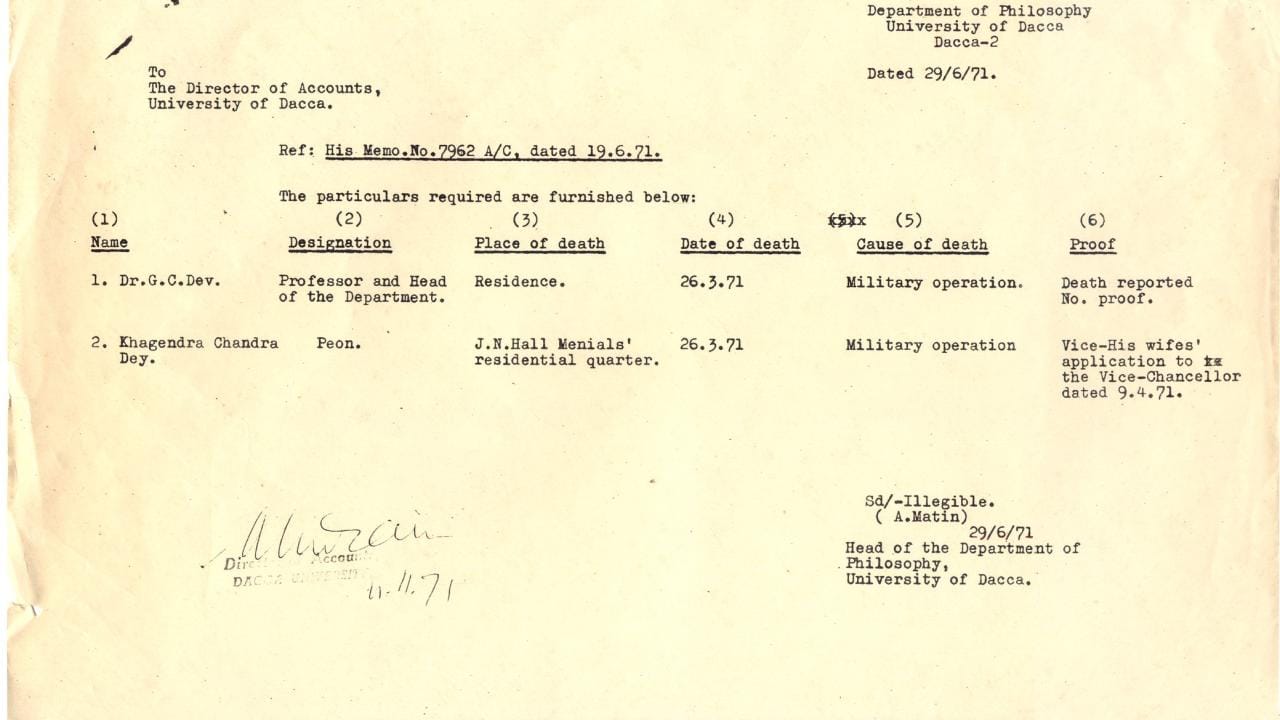
On the night of 25 March 1971, as the Pakistan Army launched its assault on Dhaka University, Dr Deb was in his campus residence with his adopted daughter Rokeya Sultana and her husband, Mohammad Ali. The house came under heavy gunfire throughout the night. When soldiers arrived at the door, Mohammad Ali opened it while reciting from the Quran. It did not spare him. Both Ali, a Muslim, and Dr Deb, a Hindu, were shot dead on the spot. Their bodies were later taken to the grounds of Jagannath Hall along with other victims of the massacre.
Dr Deb's death marked the violent end of a life devoted to peace, reason, and human dignity. His murder was not incidental but symbolic—the silencing of a philosophical voice that stood firmly against hatred and exclusion.
Comments