


Rakhal Das Banerji: The Bengali explorer who changed history
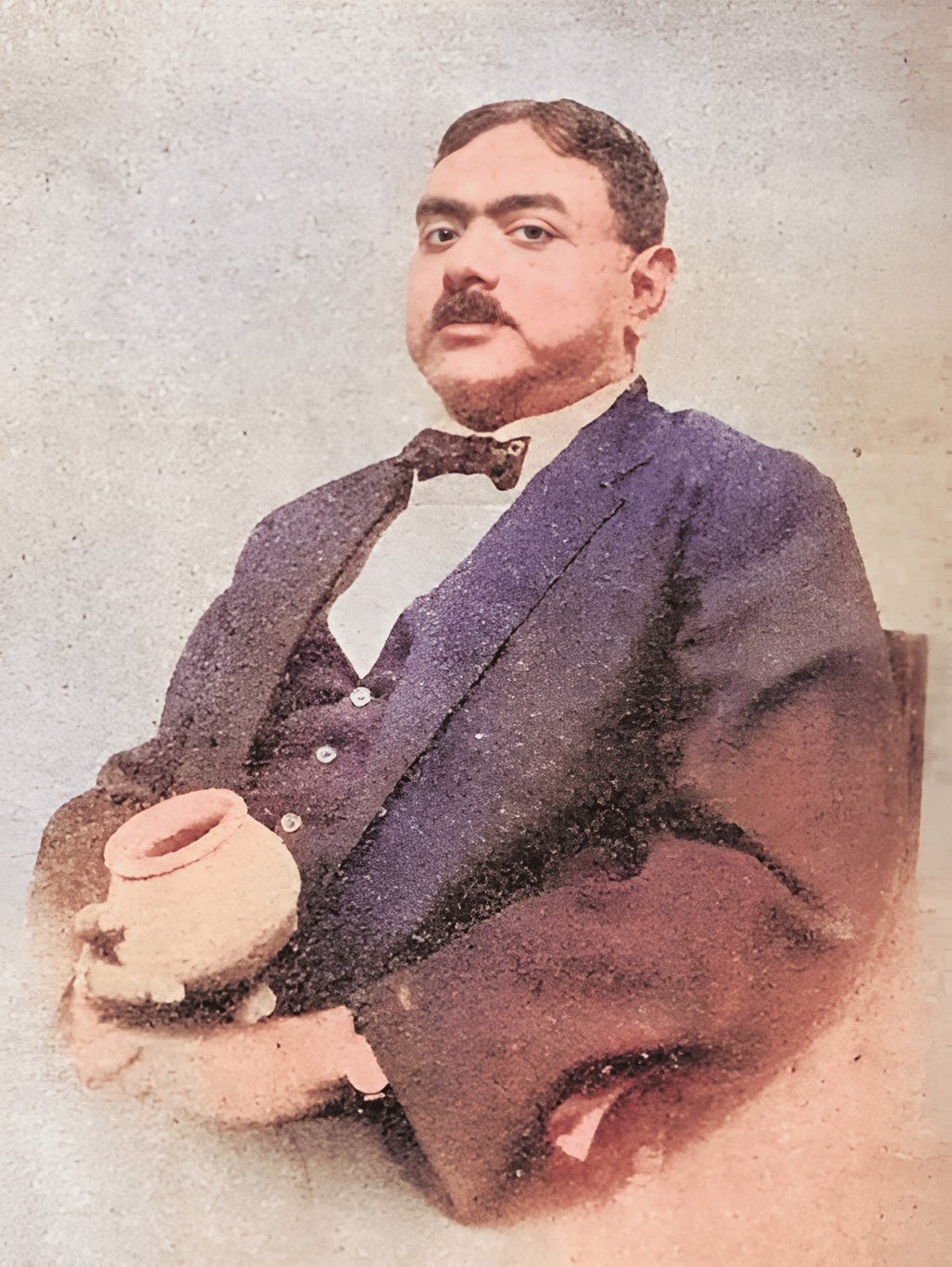
Rakhal Das Banerji was born on April 12, 1885, in Berhampore, Murshidabad. He pursued his education in Kolkata and earned a master’s degree in history from the University of Calcutta in 1911. That same year, he joined the Archaeological Survey of India (ASI) as an Assistant Superintendent. In 1917, he was promoted to the position of Superintending Archaeologist in the Western Circle of the ASI, where he was tasked with continuing the work of his predecessor, D. R. Bhandarkar. This new role came with greater responsibilities, and despite the obstacles he faced, Rakhal Das’s contributions remain invaluable today. Unfortunately, during his lifetime, he was largely neglected and subjected to conspiracies. Though his work was remarkable, he never received the recognition he deserved and passed away young, unhonoured and forgotten.
At that time, the Western Circle of the ASI covered the entire western region of undivided India, which included much of what we now know as the Indus Valley Civilisation. After taking up his new post, Rakhal Das Banerji decided to undertake a comprehensive survey of the Indus River basin and its surrounding areas, which he began in 1918. The task was challenging, as detailed maps of many locations had yet to be created. Surveying such a vast area on foot was no easy feat, but Rakhal Das carried out the work with remarkable precision. It was during this survey that an extraordinary event occurred—one that would lead to a ground-breaking discovery, reshaping the history of India and the world.
In 1921, while visiting a site called Ghaibi-Daro in the western part of Larkana District in contemporary West Punjab, Rakhal Das noticed that a large ancient structure had collapsed, exposing several large round-bottomed clay jars. Out of sheer curiosity, he inserted his hand into one of the jars and his finger was scratched. Those around him assumed a snake was inside and that he had been bitten. His team quickly wrapped his hand in cloth and broke open the jar, expecting to find a snake. Instead, they discovered ten pointed-bottom crucible-like pots arranged in three superimposed rows. A small blade made of flint (a type of stone) was placed atop one of the upper jars, which had caused the injury to his finger. Inside each pot, they found fragments of bone, surrounded by tiny pots containing grave goods, beads, and flint blades. This discovery led Rakhal Das to realise that the ruins in the southern part of Sindh were different from those in the north. His findings at Ghaibi-Daro would later help him understand the nature of Mohenjo-Daro.
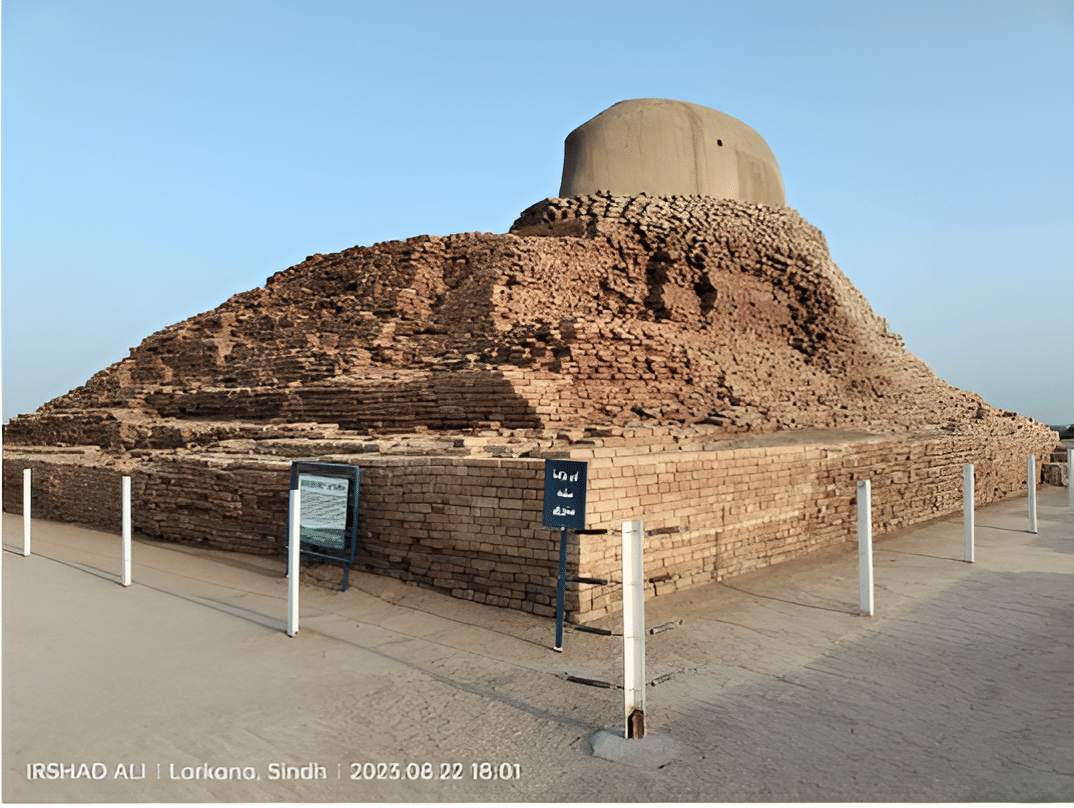
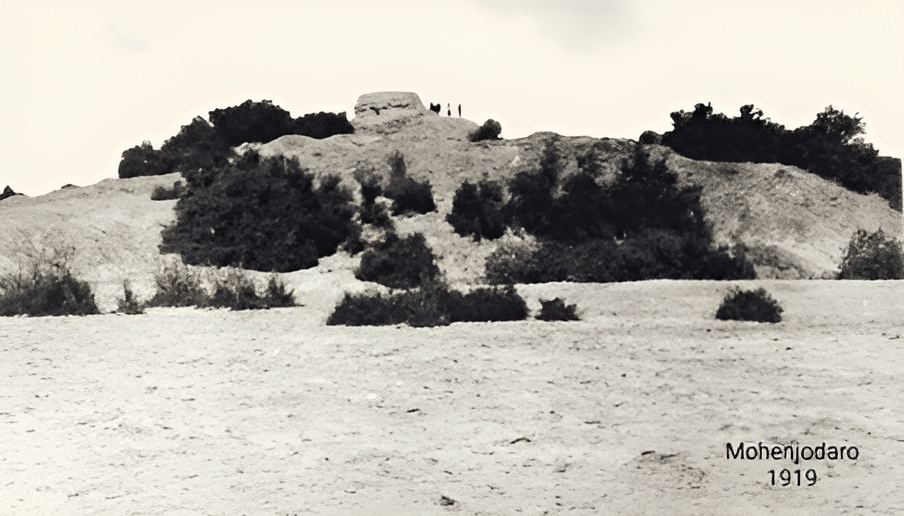
Rakhal Das arrived at Mohenjo-Daro in December 1922 during his ongoing survey. At that time, Mohenjo-Daro was part of Labdarya Taluk in Larkana District of Sindh, and it was a vast and complex archaeological site. Many of you have probably seen pictures of Mohenjo-Daro, and some may have even visited it. When we think of Mohenjo-Daro, the image that often comes to mind is that of an ancient ruined city with a towering Buddhist stupa standing over it. However, this was the main challenge—while it appeared to be a Buddhist site, that was not its only identity. The most recognisable landmark of Mohenjo-Daro is a large, drum-shaped structure made of sun-dried bricks, clearly a Buddhist stupa. This is not surprising, as Buddhism thrived in the north-western region of undivided India, and several Buddhist sites still exist near Mohenjo-Daro. As a result, it was assumed that the site contained Buddhist remains. At that time, the concept of the Indus Valley Civilisation had not yet emerged. Excavations at Harappa had begun in 1920 under Rai Bahadur Daya Ram Sahni, but its significance was not fully understood when Rakhal Das arrived at Mohenjo-Daro.
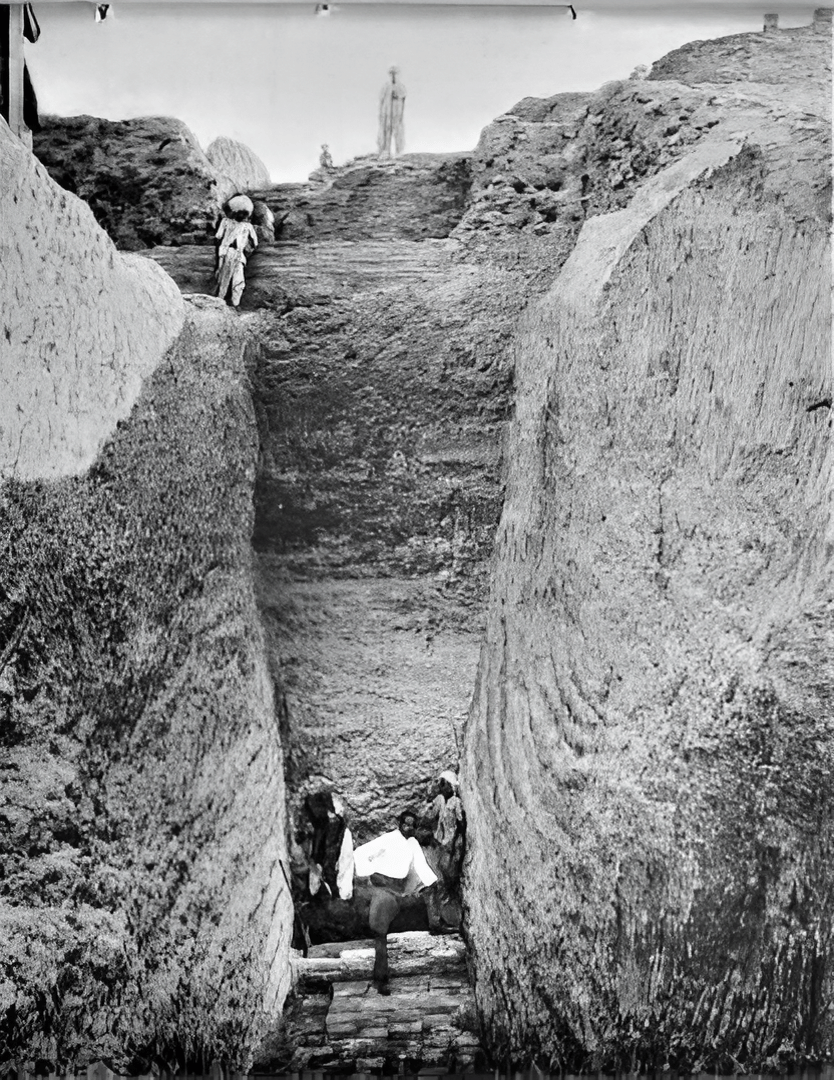
In reality, the stupa at Mohenjo-Daro belonged to the Kushan period and had been built over the ruins of a much older civilisation. Many Buddhist structures at Mohenjo-Daro were constructed using materials from earlier buildings, resulting in overlapping architectural styles. Unlike today, there were no advanced scientific methods to determine the exact age of artefacts. The discovery of elements from two different cultures in the same layer often led to confusion. One major source of confusion was the bricks of the Indus Valley Civilisation, which were similar in size to modern bricks. These bricks were so well-baked and durable that they could easily be mistaken for contemporary ones. This complexity troubled Rakhal Das too, but his keen observation led him to realise that there was an even older civilisation buried beneath the Buddhist structures. His earlier discovery at Ghaibi-Daro played a crucial role in this realisation. At Mohenjo-Daro, he found flint blades similar to the one that had cut his finger, which helped him connect the site to what we now call the Chalcolithic (Copper-Stone) Age.
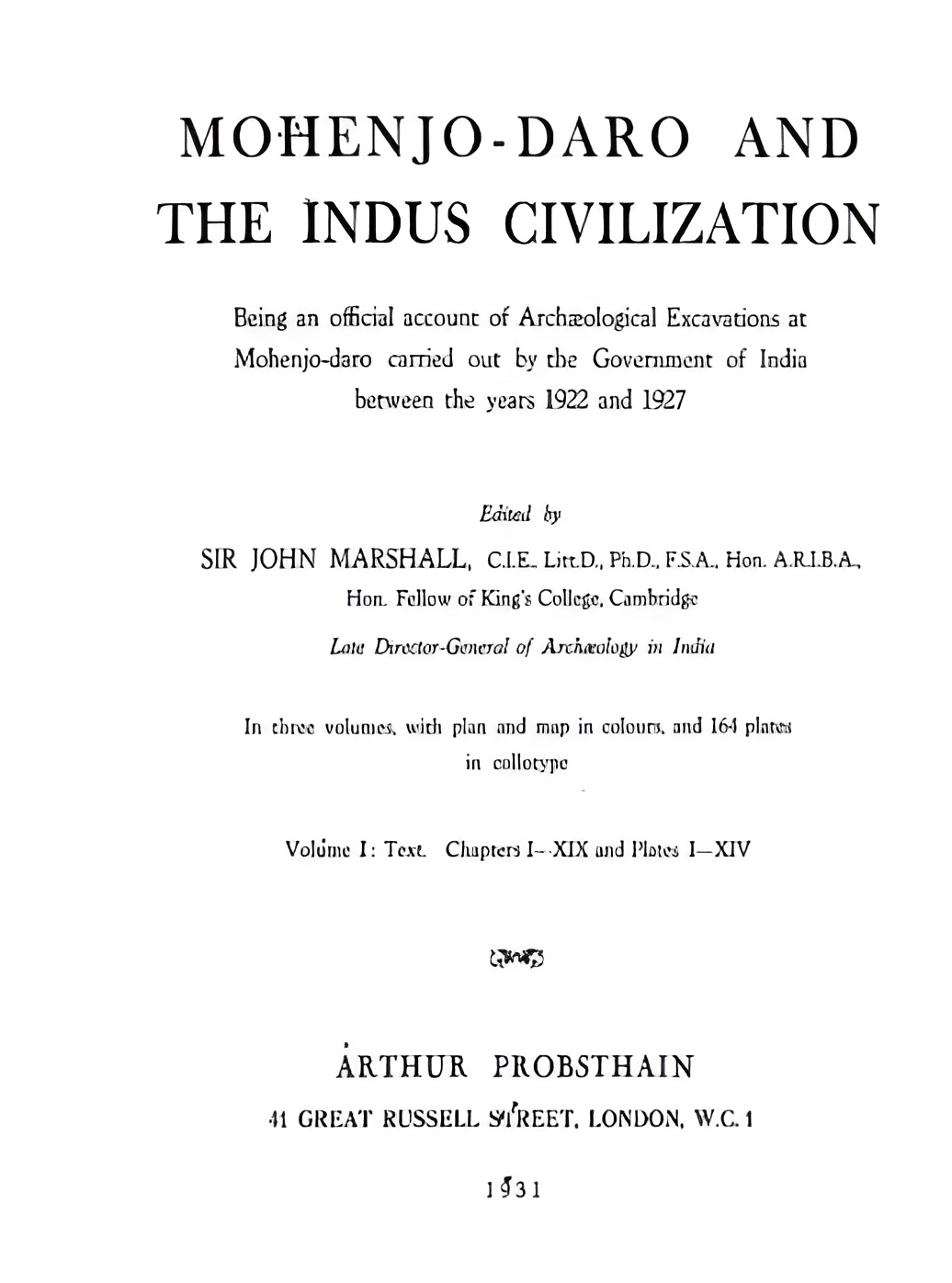
During the excavation, he discovered several clay/metal tablets or seals inscribed with signs and symbols and noted their resemblance to those found at Harappa. This led him to realise that these two sites were part of a larger cultural entity, though no one could have imagined the vastness of the civilisation at that time. Before Rakhal Das, the renowned archaeologist D. R. Bhandarkar had visited Mohenjo-Daro, but he had incorrectly estimated the site’s age, believing it to be only around 200 years old. Rakhal Das later wrote that he had hesitated to excavate the site for five years because of Bhandarkar’s assessment. It was only after his experience at Ghaibi-Daro that he became certain Bhandarkar was mistaken. Some even claimed that Bhandarkar had not personally explored the site but had relied on a photographer’s observations. However, Rakhal Das dismissed such claims, believing that Bhandarkar had indeed visited Mohenjo-Daro but had simply misjudged its age. His mistake was likely due to the similarity between the Indus Valley Civilisation’s bricks and modern bricks, as well as the overwhelming presence of Buddhist structures. Despite the numerous Kushan coins and Buddhist relics, Rakhal Das was able to correctly identify the Indus seals, figurines, burials, and bricks, proving the site’s true antiquity. His professionalism and expertise were unparalleled.
Rakhal Das conducted the first extensive excavation at Mohenjo-Daro from December 1922 to March 1923, uncovering three sites he labelled as Sites 1, 2, and 3 in his report. While later excavators had sites named after them, no site at Mohenjo-Daro bears his name, despite him being the first to excavate the site. He was deprived of this honour, even though he played a pioneering role in bringing Mohenjo-Daro to global attention. Today, a plaque installed by the Pakistani government acknowledges the contributions of archaeologists who worked at Mohenjo-Daro, and Rakhal Das is rightfully mentioned. His excavation reports detail his extensive travels and observations after joining the Western Circle of the Archaeological Survey of India. In addition, several canals had been dug as part of irrigation projects, many of which followed or modified ancient river channels. Rakhal Das also surveyed them. Remarkably, nearly a century before modern scholars linked the Hakra River to the Vedic Saraswati, Rakhal Das had already speculated on this connection, showcasing his extraordinary foresight in archaeological interpretation.
The centenary of the discovery of Mohenjo-Daro has already been celebrated. On September 20, 1924, an article by Sir John Marshall was published in The Illustrated London News, announcing the discovery of an ancient civilisation beneath the soil of India. The article was accompanied by several photographs that amazed the world. From the colonial Western perspective, India—often seen as dark, poor, and oppressed—was now revealed to have once been a golden land with a civilisation comparable to ancient Egypt or Sumer.
However, behind this momentous announcement lies a grim reality. In fact, a year before the article was published, Rakhal Das Banerji had already discovered Mohenjo-Daro and noted its striking similarities to the Harappa site, excavated by Daya Ram Sahni years earlier. Both were part of the same ancient civilisation. Yet neither Sahni’s nor Rakhal Das’s names appeared in Marshall’s article, and all the credit was given to Sir John Marshall. Afterwards, Rakhal Das’s life became increasingly difficult. He was removed from his service on manipulated charges of stealing a valuable archaeological artefact and suffered from severe illness.
He later joined Banaras Hindu University but passed away at the age of 45, never getting the chance to publish the reports of his pioneering excavations and expeditions during his lifetime. Months before his death, Harold Hargreaves, who succeeded Marshall as Director General of the Archaeological Survey of India, found the report. On January 16, 1930, he sent a typescript of it to Banaras Hindu University, where Rakhal Das was then a professor. The document was likely preserved at the university, and later, another professor, Dr V. S. Agarwala, published a facsimile under the title “Mohenjo-Daro: A Forgotten Report”.
However, the most crucial part of the report, namely the excavation photographs, were missing. Hargreaves stated that the photographs were no longer traceable. Though the report was recovered from Marshall’s files, the missing photographs suggested they had been deliberately removed. Hargreaves had intended to return the report to Rakhal Das for publication, but without the excavation photographs, publishing it was impossible. By then, Rakhal Das was gravely ill with uraemia. He passed away on May 23, 1930, likely never seeing the report again.
When Marshall’s report was published in The Illustrated London News, he became famous all over the world. Poor Rakhal Das had no means to fight against his superior, i.e., the Director General of the ASI. Finally, the famous linguist Suniti Kumar Chattopadhyay took up the pen in Modern Review. According to Sunitibabu, “One day, Rakhal Das told me, ‘Hey, Suniti, they won’t let me publish anything about Mohenjo-Daro. You have no such restriction. I am giving you all the material, the photographs; you write something about it and also share my thoughts. This way, there will be a record for the future.’”
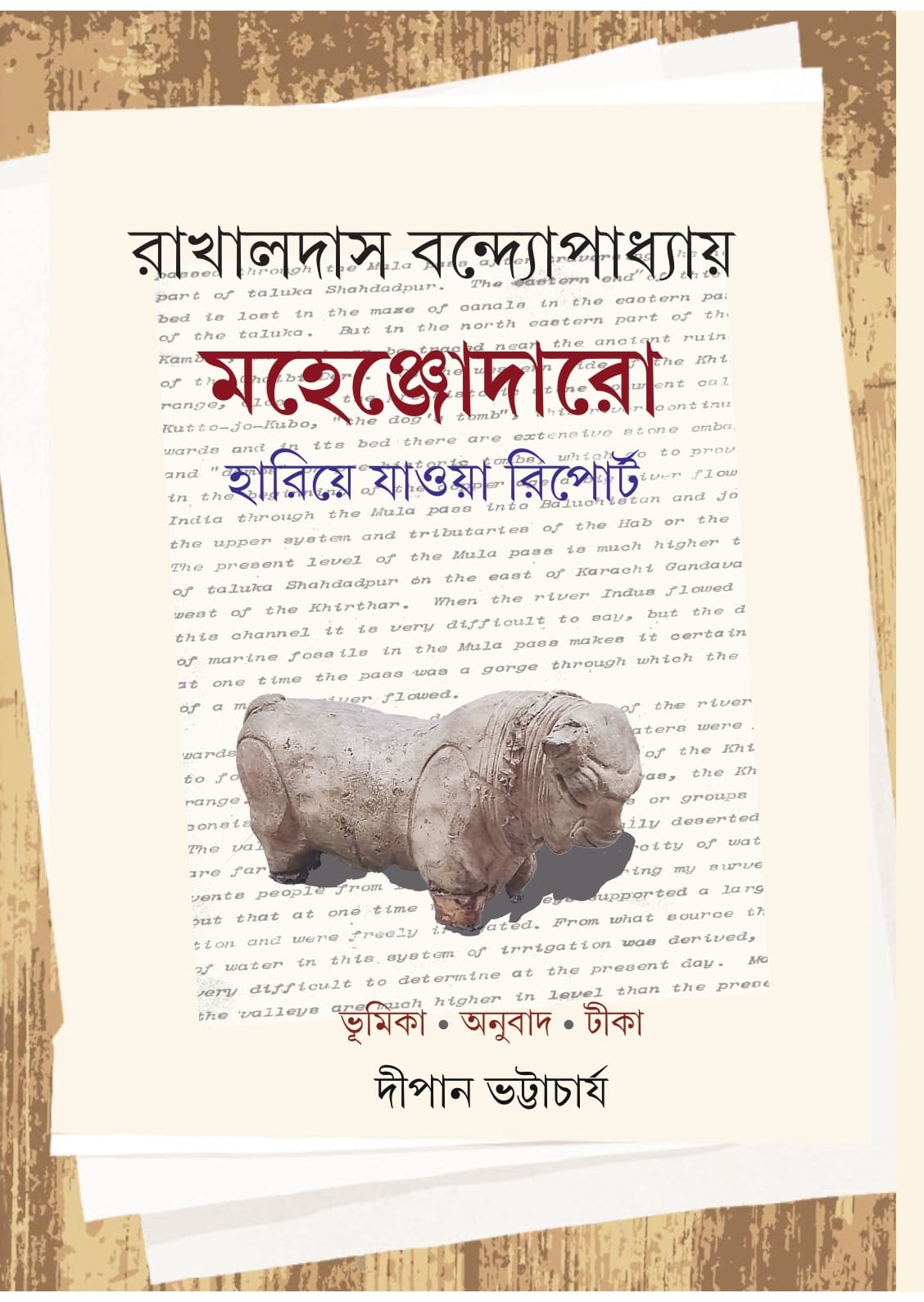
Rakhal Das’s words turned out to be true, but I am still surprised that despite countless pages being written about the injustice inflicted on Rakhal Das, no one has tried to complete the work that was attempted to be erased forever. I took the initiative and translated this book into Bengali, which was recently published as “Mohenjo-Daro: Hariye Jaoa Report”. This book is not just a translation of Rakhal Das’s first excavation but also an effort to restore his rightful place in history. It seeks to shed light on his pioneering contributions, which have long been overshadowed by colonial narratives. By bringing his work back into public discourse, I hope to inspire further research and recognition of his legacy. The forgotten pioneers of Indian archaeology deserve to be remembered—not as footnotes, but as the true architects of discovery.
Today, we know a great deal about Mohenjo-Daro and the Indus Valley Civilisation, and I have made the report more practical by adding necessary information in the form of footnotes. Every page of this book reflects the work of a dedicated, professional individual. The most challenging task was to complete the report with similar photographs to replace those lost by Rakhal Das. After immense effort, I sifted through Marshall, Mackay, and numerous documents to gather the necessary images. Yet many photographs were still missing, and the only option left was to collect relevant architectural images from Mohenjo-Daro. My friends and collaborators, Sheikh Javed Ali Sindhi and Irshad Ali Solangi from Mohenjo-Daro, helped immensely in finding some of these pictures, which allowed the report to be completed as authentically as possible.
In the early 20th century, the field of archaeology was still developing, and the challenges faced by early Indian archaeologists under colonial rule were manifold. The lack of modern tools, the prevailing colonial mindset, and the absence of established methods for dating and analysing artefacts created a significant gap in knowledge. Rakhal Das Banerji worked under these constraints, relying on traditional techniques while making ground-breaking discoveries that would eventually change our understanding of ancient Indian civilisations. The academic environment was also predominantly Western-centric, often leading to the marginalisation and humiliation of Indian scholars like Rakhal Das, who had to fight for recognition both within and outside the Indian archaeological community.
The posthumous recognition of Rakhal Das Banerji has come slowly, yet his contributions to the field of archaeology are now being acknowledged. Modern scholars and institutions, including the Archaeological Survey of India, have begun to recognise his work as foundational to the discovery and understanding of Mohenjo-Daro and the broader magnitude of the Indus Valley Civilisation, though some renowned scholars continue to follow the footprints of colonial masters to malign this great soul. In recent years, there have been efforts to commemorate Rakhal Das through exhibitions, publications, and the inclusion of his name in academic discussions related to Indus Valley archaeology. His name now appears on plaques and in articles that honour his contributions, albeit much later than they should have been acknowledged during his lifetime.
Dipan Bhattacharya was born in 1971 in Naihati, West Bengal and holds a postgraduate degree in Economics. In the course of his professional career, he learned the Russian language out of necessity. A former high-ranking officer of the Government of India, he took voluntary retirement and now serves as a Group Director at a corporate firm. Beyond his profession, he has a passion for archaeology-related historical research. He has been honoured with several awards, including the Rakhaldas Memorial Medal from the Bangiya Sahitya Parishad, the Rakhaldas–Nani Gopal Majumdar Memorial Award, a Special Commendation in the Sudhir Chakraborty Memorial Literary Award, and the title of ‘Pratnoyoddha’ (Warrior of Archaeology) and he wrote several books.
Send your articles for Slow Reads to slowreads@thedailystar.net. Check out our submission guidelines for details.
Abdul Quadir and the lost art of editing
Why Roid stays with you long after the film ends
How earthquakes, disease and war shaped Bengal’s slave trade
The first reports of a political assassination: Revisiting newspaper coverage of Zia's killing
Why Zia still matters in today's Bangladesh

More than a saree: The living legacy of Tangail
Tagore’s “Balaka” and the decolonial poetics of becoming

Kolkata's Eid, my Eid
The quiet lessons of Shital Pati
