


What a cashless turn means for our economy

With mobile banking, QR payments, digital wallets, and instant transfers becoming common, Bangladesh is moving steadily towards a cashless economy. Bangladesh Bank has accelerated this shift by launching initiatives for interoperable digital payments and advocating universal adoption. While much of the public debate focuses on convenience, transparency, and financial inclusion, one critical question has received far less attention: how will cashless transactions affect the money multiplier—the banking system's capacity to create credit?
Economic theory around fractional-reserve banking offers a clear mechanism. In a cash-based system, a significant portion of money remains outside the banking system, limiting banks' ability to lend. This "currency leakage" reduces the effective money multiplier, which depends on the proportion of deposits relative to the total money supply. In a cashless economy, people hold less physical cash and more deposits, giving banks a larger base for lending. Lower currency holdings, combined with faster electronic circulation of money, can theoretically raise the multiplier, allowing each unit of base money to generate more broad money in the economy.
 For all latest news, follow The Daily Star's Google News channel.
 Empirical evidence from other countries supports the argument. In Kenya, the introduction of M-Pesa sharply reduced currency in circulation relative to GDP, while the ratio of broad money to base money rose from under five to above 10 within a few years. Similar patterns have been observed in countries adopting widespread digital payment systems, where mobile money and interoperable platforms expand deposit bases and enable banks to create more credit.
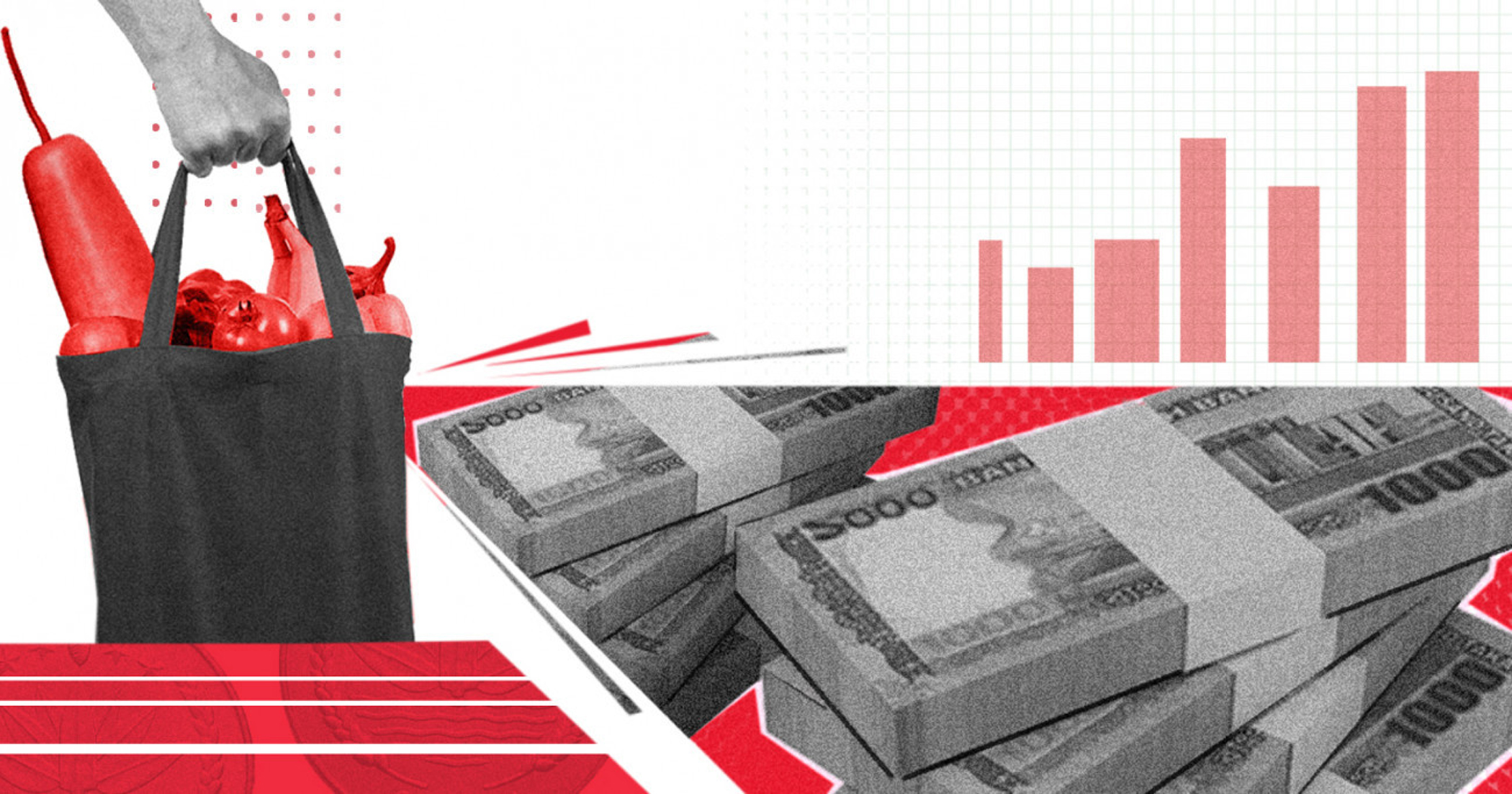
In Bangladesh too, between 2018 and 2021, mobile financial services (MFS) transactions contributed approximately 10.88 percent of narrow money (M1) and 11.29 percent of broad money (M2). In absolute terms, roughly Tk 22,219 crore of previously informal cash flowed into the formal banking system through MFS. Through successive rounds of lending and deposit creation, this expanded to Tk 35,723 crore in M1 and Tk 166,218 crore in M2. These figures demonstrate that cashless transactions are not simply a substitute for cash but actively increase the money available for lending, effectively raising the money multiplier.
Moreover, the rapid adoption of mobile banking during Covid-19 accelerated access to formal financial services, particularly in urban and semi-urban areas. QR-based merchant payments, salaries paid directly into digital accounts, and agent-mediated transactions in rural communities are all contributing to a broader deposit base. This suggests that the multiplier effect may grow further as cashless penetration deepens.
However, a higher money multiplier is a double-edged sword. While it can expand credit availability and stimulate economic activity, the benefits depend on how banks deploy these funds. If banks hoard excess reserves due to risk aversion, regulatory constraints, or high levels of non-performing loans, the theoretical gains may not translate into real lending. Similarly, if digital money circulates largely in non-bank wallets rather than formal deposits, the multiplier effect remains limited. Rapid credit expansion without corresponding productive investment can also create inflationary pressures.
Moreover, gaps in digital literacy, mistrust of digital systems, and connectivity problems in rural areas can slow adoption, leaving large segments of the population excluded from the benefits of a higher multiplier.
International experience shows that poorly managed digital money adoption can exacerbate inequality, concentrate financial power, and create systemic vulnerabilities. In Kenya, while M-Pesa boosted deposits and access to credit, it also created regulatory challenges and increased reliance on a few dominant platforms. Bangladesh could face similar risks if integration, oversight, and inclusion are not prioritised.
In sum, Bangladesh's move towards a cashless economy has the potential to increase the money multiplier, supporting greater credit creation, financial inclusion, and economic dynamism. The evidence—more than a 10 percent contribution to both M1 and M2 by mobile financial services—shows that digital finance is already reshaping the banking system.
Yet, whether this outcome is beneficial depends on careful management. A higher multiplier is desirable if it leads to productive lending, inclusive access, and financial stability. It can be harmful if it fuels credit bubbles, reinforces digital inequality, or concentrates economic power in a handful of private platforms. Bangladesh is at a pivotal moment. Cashless payments offer a structural opportunity to enhance credit creation, formalise informal money flows, and strengthen the financial system. But policymakers must ensure that infrastructure, trust, financial literacy, and regulation keep pace.
To manage potential risks and make the cashless transition effective, policymakers need a balanced strategy. Strong digital regulation is essential to ensure transparency, consumer protection, and fair competition among banks and fintech platforms. Bangladesh Bank should closely monitor digital transaction flows and adjust reserve requirements when necessary to keep the money multiplier stable. Expanding digital literacy programmes, improving network reliability, and setting clear rules on data privacy will help build trust, particularly in rural and low-income communities. Creating a unified, low-cost digital payment infrastructure and encouraging banks to link digital deposits with productive lending can ensure that the growth of electronic money genuinely supports economic development. With coordinated action, Bangladesh can enjoy the benefits of a higher multiplier while keeping inflation, financial exclusion, and systemic risks under control.
Md Mominur Rahman is assistant professor at the Bangladesh Institute of Governance and Management (BIGM). He can be reached at mominur.rahman@bigm.edu.bd.
Views expressed in this article are the author's own.
Follow The Daily Star Opinion on Facebook for the latest opinions, commentaries, and analyses by experts and professionals. To contribute your article or letter to The Daily Star Opinion, see our guidelines for submission.
Comments