


Water security demands inclusion of women’s voices

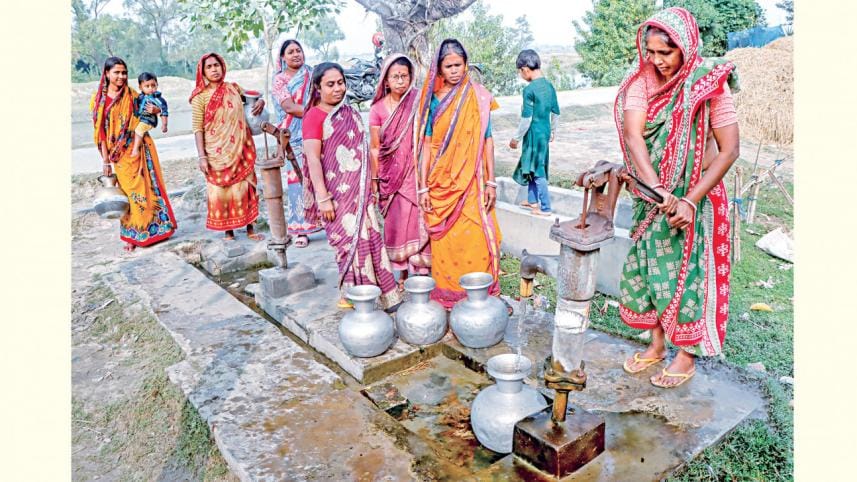
Water sustains life, but it also reflects inequality. In Bangladesh, discussions on water security often centre on floods, salinity, or urban scarcity, while one crucial aspect remains overlooked: gender. Women and girls carry a disproportionate share of the burden in managing water for their families, yet their needs and voices are seldom reflected in policy or planning.
Across the country, women are primarily responsible for the labour-intensive and time-consuming task of collecting, storing, and managing household water. In many rural areas, women walk long distances to fetch water, sometimes waiting hours at crowded water points. According to Unicef, women and children worldwide spend a combined 200 million hours each day collecting water. In developing countries, they may spend up to six hours daily on this chore, walking nearly six kilometres on average. Even in areas where pumps have been installed, women still spend long hours collecting water due to waiting time. A similar situation persists in Bangladesh's coastal villages and urban slums, where access to safe water remains unreliable and unequal.
 For all latest news, follow The Daily Star's Google News channel.
 During droughts, floods, or riverbank erosion, the time spent fetching water increases sharply. This extra effort often comes at the expense of girls' education, women's resting time, or income opportunities. Beyond the physical strain, the constant anxiety of ensuring safe water for the family creates an invisible psychological burden that rarely appears in official statistics.
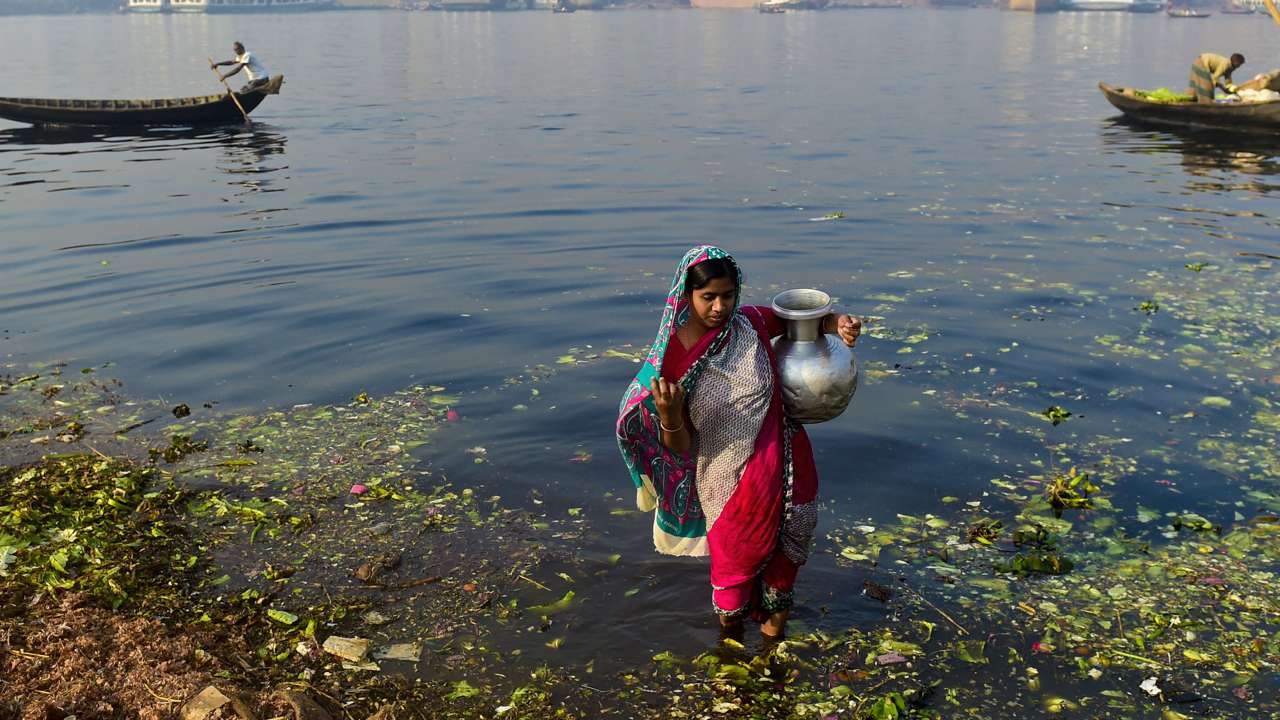
Climate change is intensifying these inequalities. Erratic rainfall, rising salinity, and recurring floods have already disrupted freshwater sources across Bangladesh. Women are forced to adapt—walking farther, carrying and storing more, or negotiating with neighbours and local authorities—all while maintaining their regular domestic responsibilities.
Urban areas tell a similar story. Dhaka, Chattogram, and other cities face severe water stress. Irregular supply, low pressure, and contamination compel households to rely on tube wells, shared taps, or informal vendors. Even where piped water exists, women still manage the household's daily water use—cooking, washing, cleaning—while resolving issues with landlords or municipal suppliers. When water runs short or becomes contaminated, it is women who bear the immediate consequences and find coping strategies.
The gendered dimension of water insecurity extends beyond household labour. Access to clean water shapes education, health, and livelihoods. Girls often miss school when sanitation facilities are inadequate or when fetching water conflicts with class hours. During menstruation, lack of access to water and privacy exacerbates absenteeism and poor hygiene. Many women reduce or forgo paid work to manage household water needs, losing valuable income and autonomy. Yet, despite their central role, women remain underrepresented in decision-making—from community water user groups to national policy platforms.
While Bangladesh has made progress in water access and climate adaptation, most strategies still treat water scarcity as a technical or environmental issue rather than a social one. Policies often overlook the gendered realities of who collects, stores, and manages water. Without a deliberate gender lens, such programmes risk reinforcing the very inequalities they aim to solve.
Encouragingly, there are examples that show what inclusive approaches can achieve. Women-led water committees, gender-sensitive WASH programmes, and participatory planning initiatives have improved both efficiency and sustainability. Where women are involved, water systems are better maintained and hygiene practices are stronger. These initiatives demonstrate that empowering women in water governance strengthens entire communities.
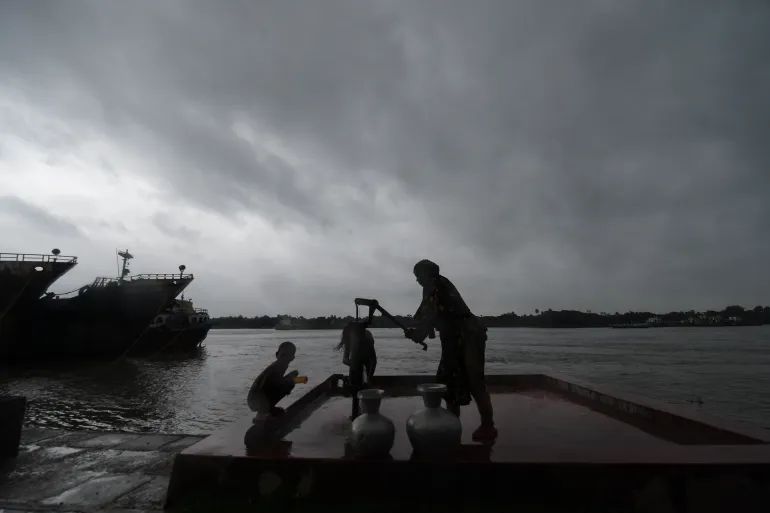
To create lasting change, gender equality must be built into every level of water management from infrastructure design to disaster preparedness. This includes collecting sex-disaggregated data, conducting gender-responsive research, ensuring women's representation in decision-making bodies, and promoting technologies that reduce their workload. Recognising the unpaid labour women perform in managing water is also essential to designing fair and effective policies. Simple measures, such as reducing the distance to safe water points, ensuring privacy in sanitation facilities, or involving women in planning, can significantly reduce burdens while improving health and education outcomes.
Bangladesh's journey toward water security cannot succeed without closing the gender gap. Women are not passive victims of scarcity; they are central actors in water management and adaptation. Listening to them, addressing their needs, and valuing their contributions will not only promote gender justice but also enhance national resilience to climate and environmental challenges. Therefore, recognising and responding to the hidden gender gap in water security is no longer optional; it is essential for building a more sustainable and just Bangladesh.
Nazmun Naher is a specialist in Integrated Water Resources Management (IWRM) and gender. She currently works for the Bangladesh Institute of Governance and Management (BIGM).
Views expressed in this article are the author's own.
Follow The Daily Star Opinion on Facebook for the latest opinions, commentaries, and analyses by experts and professionals. To contribute your article or letter to The Daily Star Opinion, see our guidelines for submission.
Comments