


Packaging the patriarchal gaze as 'relatable' content


A few days ago, during a class break, I was scrolling through Instagram and came across a post with the quote: "the feminine urge to open a coffee shop that is also a library and a flower shop." While many people are sharing this out of a cute and cosy sentiment, I wanted to dig a little deeper. Shortly after seeing that post, I stumbled upon another one featuring multiple texts that read: "The feminine urge to impulsively cut off eight inches of hair for a fresh start." "The feminine urge to rewatch my own Instagram story 56 times." "The feminine urge to take 300 selfies and hate them all." "The feminine urge to overthink a text I sent three days ago at 2:47 pm." "The feminine urge to say 'I'm fine' and hold a grudge for eternity."
At first glance, these posts might seem harmless, funny, or even relatable. They appear lighthearted and sometimes even empowering, as though embracing chaos is part of a shared feminine experience. However, beneath the surface, there's something deeper happening. For instance, the phrase "the feminine urge to open a coffee shop that is also a library and a flower shop" may sound cute and cosy, but it reinforces a stereotype that women's aspirations are solely emotional and decorative. It suggests that women's "dream spaces" should be charming and serene. But why does this seemingly harmless framing matter?
 For all latest news, follow The Daily Star's Google News channel.
 Because these posts and memes normalise a specific emotional image of women— impulsive, dramatic, unstable, and self-absorbed. In doing so, they reproduce long-standing patriarchal stereotypes under the guise of relatability. These memes don't reflect "natural" feminine emotions; they reflect culturally constructed rules. As Barbalet (2006) explains, emotions are shaped by social and cultural expectations rather than biology. What we call "feminine emotions" comes from cultural scripts that dictate how women should feel and behave. These memes work because we already share an understanding that women are expected to act irrationally or emotionally. The more one identifies with the meme, the more one unconsciously or consciously reproduces that cultural expectation.
This is not spontaneous; it is sustained through emotional performance, something Hochschild (1979) describes as emotion work. Women are taught to perform emotions that align with social norms to appear caring, sensitive, or fragile, even when they don't feel that way. Memes like "the feminine urge to say 'I'm fine' and hold a grudge for eternity" romanticise this emotional management. They turn emotional suppression and self-contradiction into an aesthetic, rather than a symptom of a social structure that expects women to regulate their feelings for others' comfort. In this sense, these memes transform emotional labour into cultural entertainment. Also, emotions are not isolated experiences but are shaped through interaction and social reinforcement. Platforms like Instagram function as digital support groups where users share emotional expressions that gain validation through likes, comments, and shares. When thousands of women engage with the same "feminine urge" memes, they collectively affirm that these exaggerated emotional tendencies define femininity itself. What might start as humour becomes a form of emotional conformity.
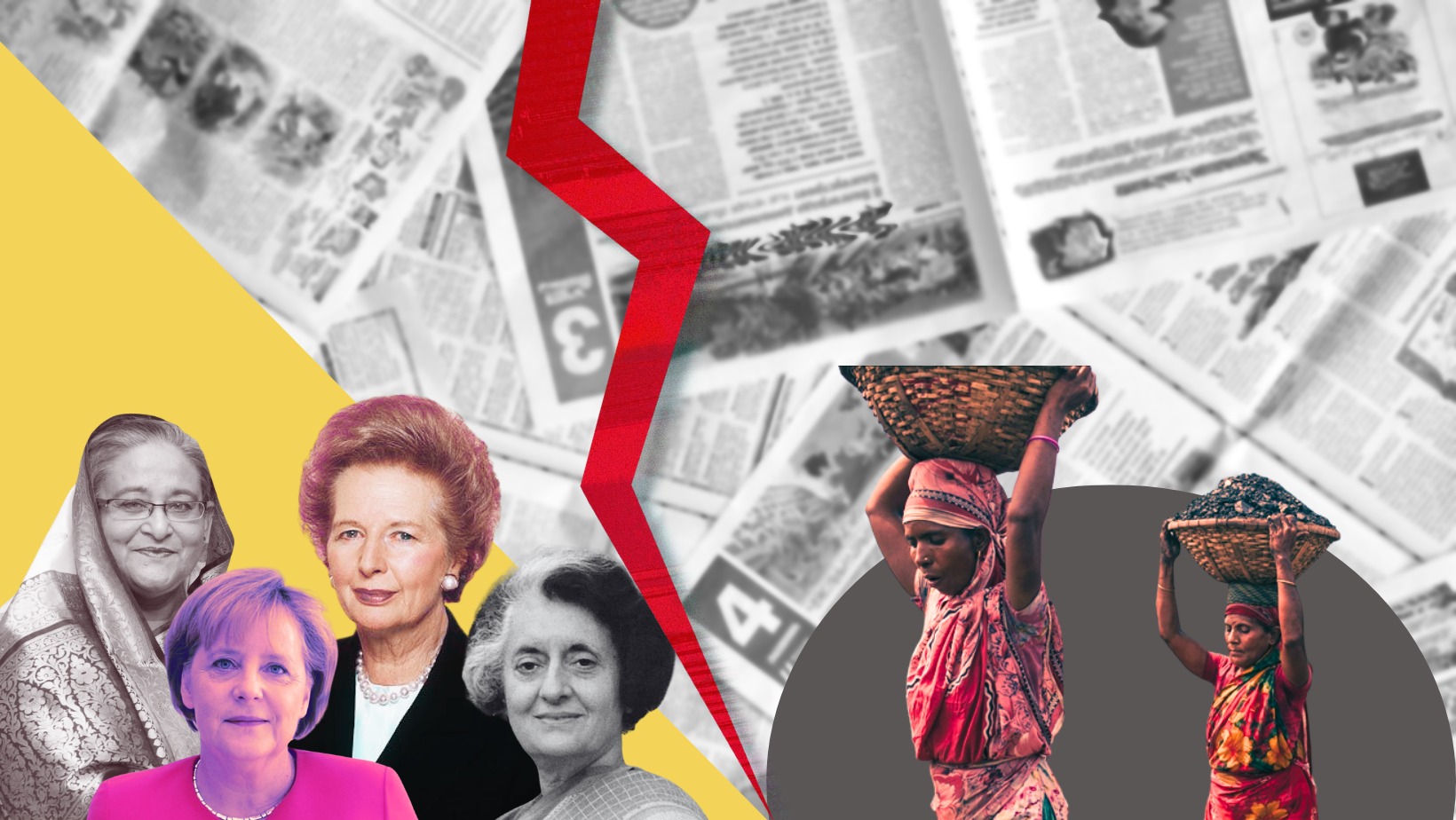
Charles Cooley (1902) argues that our sense of self develops through imagining how others perceive us, which he called the looking-glass self. The "feminine urge" meme turns this reflective process into a digital mirror: women learn to see themselves through the imagined gaze of society, a gaze that already expects emotional excess, instability, and self-obsession. When a woman laughs at or reposts such memes, she may also be internalising that gaze, subtly shaping her emotional self-image to fit what is socially acceptable or recognisable as "feminine."
As a result, the "feminine urge" becomes a cultural mechanism for upholding patriarchal emotional norms. It instructs women on how to feel, what to desire, and even what types of emotional chaos are socially permissible. This dynamic trivialises women's complex emotional lives, packaging them into digestible, performative traits. It also minimises women's untreated and unhealed emotional vulnerabilities, which can grow throughout life as their desires go unfulfilled. These emotions stem from a social structure that assigns women the burden of emotional expression while denying them the legitimacy of emotional depth.
Ultimately, these memes tell us less about femininity and more about how societies organise emotion. They expose how digital culture turns emotional stereotypes into commodities, clickable, shareable, and monetisable. When women engage with these memes, they are not only reproducing patriarchal emotional norms but also negotiating their own identities within themselves. There is a space of contradiction here, a simultaneous participation in and resistance to cultural control. It appears the story isn't one-sided. When women share these memes, they are not necessarily endorsing patriarchy. Many use humour as a form of survival, a way to express frustration, exhaustion, or irony. There's a hint of rebellion in the laughter, an attempt to make sense of contradictions that words alone can't express.
But irony is a tricky weapon. It can challenge stereotypes, but it can also reinforce them. The more we laugh at our collective chaos, the less we question why chaos feels so natural to us.
Resat Amin is a PhD researcher in social and cultural analysis at Concordia University in Quebec, Canada.
Views expressed in this article are the author's own.
Follow The Daily Star Opinion on Facebook for the latest opinions, commentaries, and analyses by experts and professionals. To contribute your article or letter to The Daily Star Opinion, see our guidelines for submission.
Comments