


COP30, profit over people, and growing climate threats

The United Nations Climate Change Conference, known as COP, held its 30th session in Brazil. It was quite lengthy and expensive, yet at the end of it, the central problem remained: the much-needed transition away from fossil fuels still seems unachievable. Powerful entities continue to place obstacles in the way.
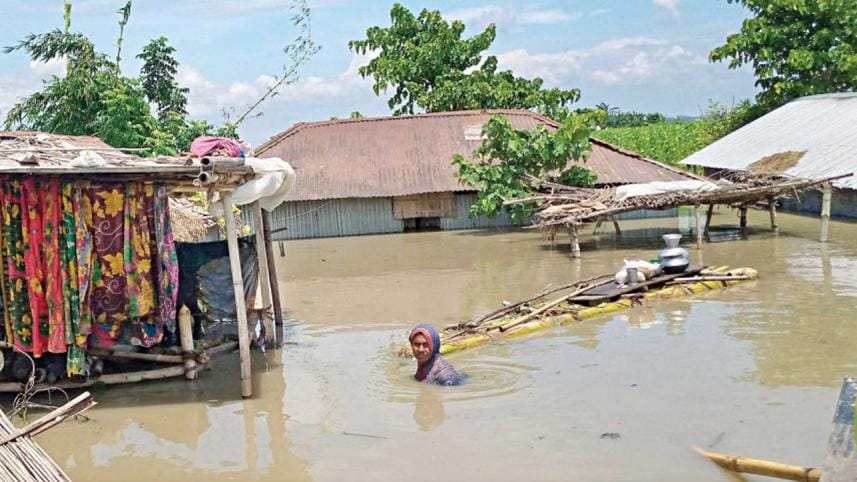
There is no denying that we are living through the harsh reality of climate change. The very existence of the Earth, and the livelihoods and security of its inhabitants, are under serious threat. Instability is now visible everywhere, with extreme cold in some places, unbearable heat in others, intensifying forest fires, increasingly frequent natural disasters, etc. Scientists continue to urge action in every possible way, especially through reducing temperatures and carbon emissions. Yet COP unfolds in an almost repetitive cycle every year: delegates from countries and blocs attend, promises are made, and concrete action is stalled.
 For all latest news, follow The Daily Star's Google News channel.
 We need to understand why this keeps happening. The causes of climate change are not mysterious. It is neither a divine punishment nor an unknown force. We know exactly why it is getting worse, and foremost among these reasons is the indiscriminate use of fossil fuels including oil, gas, and coal.
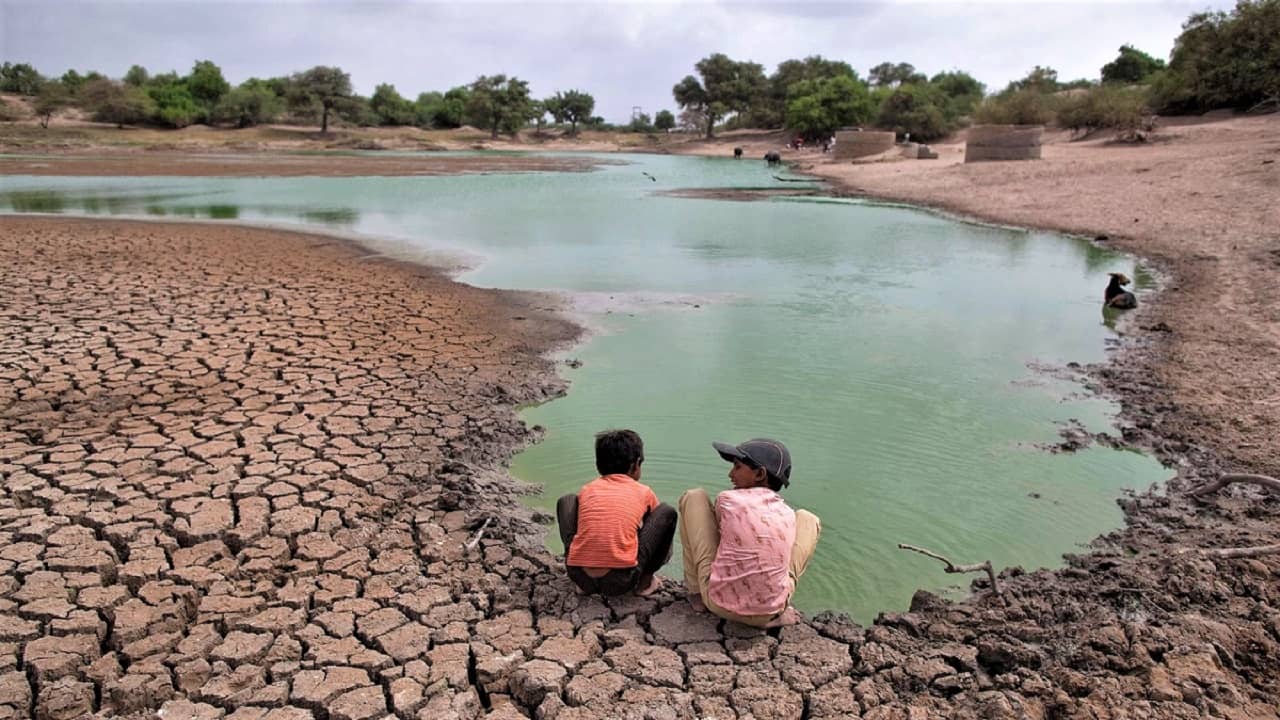
Beyond this lies the problem of overconsumption in some countries and among small, affluent segments of populations worldwide. The demand and supply driven by such consumption patterns damage the environment and destabilise ecological systems. This is the second major factor. The third is the fetishisation of capitalist growth, which is being treated as synonymous with development. To sustain this profit-driven model, investments are directed towards activities that destroy ecological balance: deforestation, toxic pollution of rivers, and massive increases in commodity production that raise both environmental and social costs.
Global consumption fuels production and growth but also generates enormous quantities of dangerous waste. Plastic has become a major threat, contaminating rivers, canals, ponds, soil, and ocean floors. Chemical and nuclear waste continue to accumulate. The production of armaments, driven by competition and wars, adds even more.
This waste severely disrupts the world's natural systems: forests, water bodies, air quality, food sources, and ecosystems. Food production has increased significantly worldwide—in Bangladesh, for example, it has risen four to five times in the last five decades—but this has come at great cost. Chemical fertiliser use has multiplied, groundwater extraction has surged, pesticide use has grown alarmingly, and genetic modification technologies have expanded. So while yields have increased, much of this food is not genuinely safe, and the enormous socio-environmental costs make it all very unsustainable.
But aggressive advertising continues to make it difficult for people to distinguish between safe and unsafe food. Consumerism driven by marketing creates a frenzy to buy unnecessary products. Commodity fetishism is taking on a frightening dimension. As a result, production and waste increases, and GDP rises, but few seem to be bothered by the growing threats to human and non-human life caused by this trend.
This suggests that the problem of climate change is inherent to the type of global capitalist development we are witnessing. This problem cannot be resolved without questioning the "profit over people," anti-environmental logic at the heart of capitalism. A crucial part of any solution is moving away from fossil fuels. But fossil fuel corporations are immensely powerful and wield enormous influence over policymaking.
In the name of development, they take public money or subsidies and then become the largest contributors to climate harm. These companies dominate global policy spaces. International financial institutions—such as the World Bank, IMF, ADB, and major development banks across Africa and Latin America—are linked in various ways to fossil fuel interests. Media institutions are also intertwined with these groups. This nexus of corporate power, media, and governments traps the world in climate danger.
At the annual COP events, you see important issues being raised, experiences from different countries being shared, but you also see the culprits in the same room. It is like trying to curb terrorism by holding discussions with major terrorists, or trying to solve banking-sector problems by consulting large loan defaulters. At COP, the main culprits help shape the decisions, and core solutions are naturally obstructed. For instance, transitioning away from fossil fuels is technologically feasible. There is ample scope for research and development in renewable energy. But funding is not directed there.
Where does the funding flow? To armaments and war. More than a trillion US dollars is spent annually on weapons. A tiny fraction of this could ensure clean water, safe food, or renewable energy for millions. But capitalism invests where profits lie. To ensure profit, it destroys the environment, produces weapons, fuels wars and occupations, and even commits genocide. Climate change is very much tied to these actions.
Representatives from countries like Bangladesh rarely raise these fundamental issues. Instead, they say: "We are victims, give us money." But Bangladesh and similar countries do not need foreign funds as much as they need to halt harmful investments. If these destructive decisions are stopped, and if other actors also step up, considering the gravity of the threats facing them all, improving environmental and climatic conditions will be much easier.
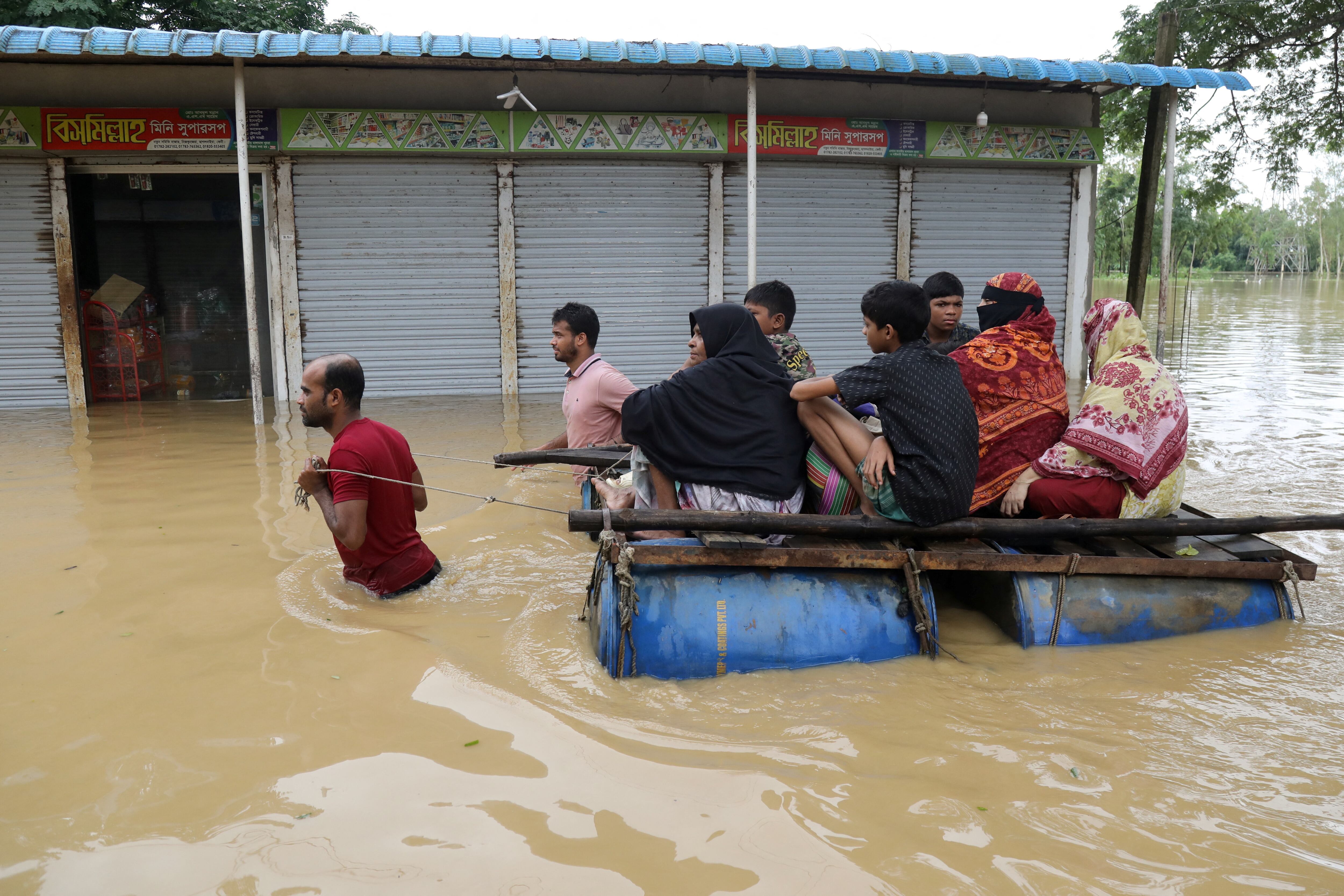
Yet the government in Bangladesh continues to seek funds while pursuing development policies that increase climate vulnerability. For example, building coal-based power plants along the coast may boost GDP growth on paper but it massively heightens climate risks. The way rivers, canals, and ponds are being destroyed further deepens our vulnerability. Escaping climate danger therefore requires confronting global profiteers and changing domestic development paths. Even without climate change, our current model—dying rivers, depleted forests, eroded coasts—would still lead us to ruin.
Thus, we must confront both global struggles and domestic challenges as interlinked problems. Globally, we must challenge fossil fuel corporations, profit-driven multinationals, and war-prone states, including the US. Domestically, we must adopt a development vision that restores river flows, expands afforestation, protects coasts from coal plants, and ensures safe food. Only then can we move towards real solutions.
Otherwise, COP may continue for another 30 sessions, spending billions and offering occasional feel-good moments during gatherings, but what is necessary to protect the Earth and its people will remain out of reach.
Anu Muhammad is a former professor of economics at Jahangirnagar University.
Views expressed in this article are the author's own.
Follow The Daily Star Opinion on Facebook for the latest opinions, commentaries, and analyses by experts and professionals. To contribute your article or letter to The Daily Star Opinion, see our guidelines for submission.
Comments