


Do fireworks serve a purpose, or is it time to let them go?


Every year, Dhaka repeats the ritual of selective amnesia. We count fires, injuries, frightened animals, and hazardous air readings, then gently fold the conversation away until the next celebration rolls around. We are told fireworks and sky lanterns are traditional. They are joy. But do they serve a purpose that justifies their environmental, health, and safety costs, or are we clinging to a habit simply because it sparkles at midnight?
On December 31, 2024, fires broke out in the Dhanmondi and Mirpur areas, triggered by sky lanterns and firecrackers. On December 31, 2023, three teenagers suffered severe burns when a sky lantern they were releasing caught fire on a rooftop. Moreover, at least 40 sky lanterns were found stuck in the overhead electric wires of the Dhaka Metro Rail, forcing a suspension of services for several hours on New Year's morning. These are not isolated mishaps or unforeseeable tragedies. These are predictable collisions of sparks, dense housing, flammable materials, and lax enforcement. And still, by morning, the framing softens—an unfortunate turn of events. Never the obvious follow-up question of whether what caused these should continue to be freely sold, manufactured, and detonated in one of the most densely populated cities in the world.
 For all latest news, follow The Daily Star's Google News channel.
 The argument for fireworks remains largely emotional. They are associated with celebration, national milestones, religious festivals, and the visual language of joy. They look impressive. They create a sense of occasion. In some cases, they provide short-term income for people involved in manufacturing, transportation, and retail. That is the case in favour. It is not insignificant, but it is thin. What fireworks do not provide is any essential public service. They do not meet a basic need. They do not deliver a benefit that cannot be achieved through safer alternatives. No festival collapses without them. No cultural identity dissolves because the sky is not set on fire. Against this limited emotional return sits a catalogue of costs that are neither speculative nor minor.
Environmentally, fireworks are chemical events. Each burst releases fine particulate matter, including PM2.5, alongside heavy metals such as barium, strontium, and copper, as well as sulphur compounds and carbon residue. These particles do not disappear when the celebrations end. They settle into the air we breathe, the soil we grow food in, and the water bodies already struggling under pollution loads. In a city like Dhaka, where air quality routinely exceeds safe limits even on ordinary days, fireworks are not a marginal harm. They are compounding damage layered onto an already compromised system. Public health impacts follow predictably. Medical literature consistently links fireworks-heavy events with spikes in asthma attacks, breathing difficulties, cardiovascular stress, sleep disruption, and emergency room visits.
Noise pollution adds another layer of harm, triggering stress responses and aggravating mental health conditions. The burden does not fall evenly. Children, the elderly, people with respiratory illness, and low-income communities living in dense neighbourhoods bear the brunt. Celebration, in practice, becomes a health risk disproportionately absorbed by those with the least capacity to avoid it.
Then there is safety, the part we insist on treating as a coincidence. Fires caused by fireworks are foreseeable outcomes in neighbourhoods where buildings sit close together, electrical wiring is often informal, and fire response capacity is stretched. When explosive devices are sold widely, used casually, and set off in confined urban spaces, fires are not anomalies. They are statistical likelihoods. Every year, we act surprised when buildings burn, as if sparks and flammable surroundings were an unexpected combination. We mourn damage without questioning design. We treat the fire as the problem, not the ignition source.
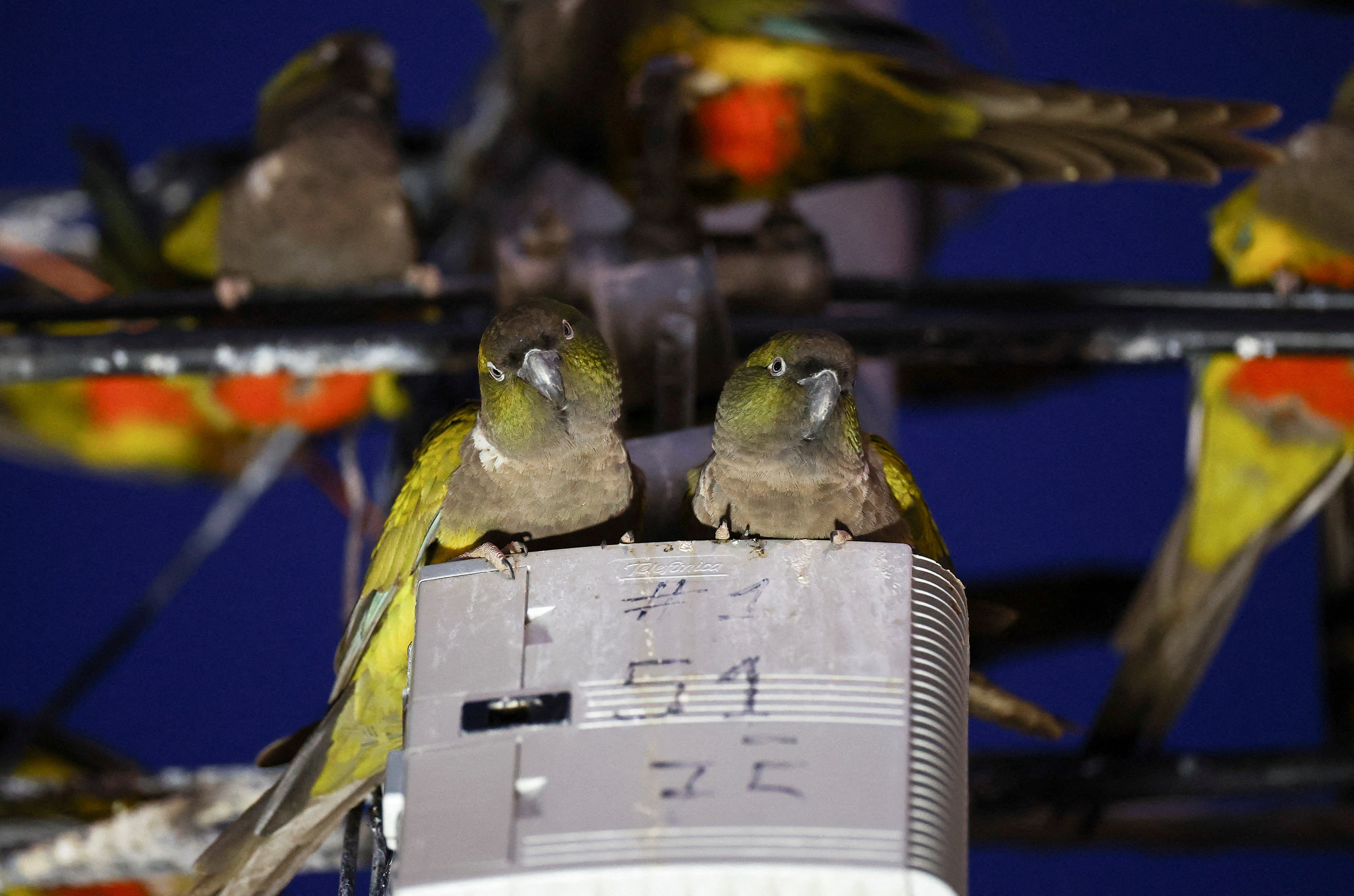
Besides, animals experience the consequences in ways we rarely consider. Birds rely on stable light and sound cues to navigate. Explosions and flashes disorient them, sending them crashing into buildings or flying until exhaustion. Pets experience acute fear responses, trembling and hiding at night. Stray animals have no shelter, no warning, and no understanding of why the world has turned hostile.
Economically, the defence of fireworks as a livelihood generator does not survive serious scrutiny. Seasonal income is outweighed by long-term healthcare costs, fire damage, emergency response expenditure, environmental clean-up, and productivity losses. What looks like a celebratory industry often externalises its true costs onto the public, while the gains remain concentrated and temporary. So why does resistance to banning fireworks altogether remain so strong? Once something is labelled tradition, questioning it feels taboo. There is also fear of backlash, the idea that regulation will be read as moral policing rather than harm reduction. These concerns are real, but they are not insurmountable.
Policy does not mean erasure. It means transition. Banning the manufacture and sale of fireworks does not mean banning celebration. It means redirecting how celebration happens. Many cities have already done this. Laser light shows, drone displays, quieter public spectacles, and community-based events offer visual impact without chemical fallout. Employment tied to fireworks can be redirected into lighting technology, event management, and regulated public displays that prioritise safety.
What is striking is how quickly we accept regulation in other areas once harm becomes undeniable. We no longer tolerate leaded petrol, indoor smoking, or unregulated industrial dumping, regardless of how normal they once were. Each of these practices was defended in the name of convenience, culture, or economic interest until evidence made denial impossible. Fireworks sit in that same category. The difference is aesthetic appeal. Pollution looks less offensive when it arrives wrapped in colour.
From a governance perspective, the status quo reflects a failure. Regulations often exist on paper, limiting timing, noise levels, or sales, but enforcement evaporates during festivals. Advisory notices replace action. Accountability reappears only after buildings burn or air quality rankings embarrass us.
The question is why continuing to allow a product that pollutes the air, endangers lives, traumatises animals, strains public health systems, and now very visibly sets neighbourhoods on fire is considered reasonable. If fireworks were introduced today as a new consumer product, there is little chance they would pass any serious environmental or safety assessment. They survive only because they are familiar.
Perhaps the most telling sign that this conversation is overdue is how defensive it makes people. Joy, we insist, must be loud. Celebration must explode. Anything quieter is framed as joyless. However, cities change. Practices evolve. Celebration, like everything else, must adapt to the realities it creates. At some point, we must ask whether clinging to fireworks is about honouring the past or refusing to grow up. Because if a product causes this much harm and our only defence is that it looks pretty in the sky for a few minutes, that is not a strong cultural argument. It is just a weak excuse, briefly illuminated, before the smoke settles again.
Barrister Noshin Nawal is a columnist for The Daily Star. She can be reached at nawalnoshin1@gmail.com.
Views expressed in this article are the author's own.
Follow The Daily Star Opinion on Facebook for the latest opinions, commentaries, and analyses by experts and professionals. To contribute your article or letter to The Daily Star Opinion, see our guidelines for submission.
Comments