


Is grievance politics clouding the future of Ganges treaty?

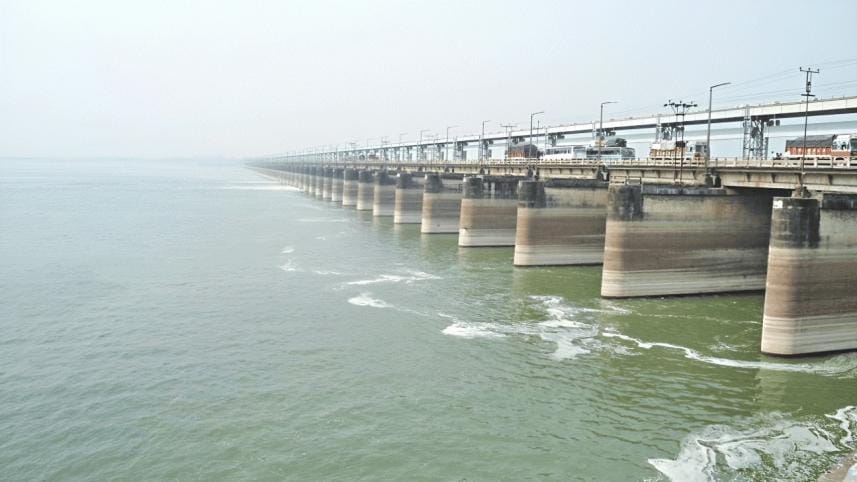
As Bangladesh and India begin the long, delicate process of discussing the future of the Ganges Water Sharing Treaty, the real challenge may not lie in hydrology, technical committees, or even climate variability. It lies in politics—specifically, in the temperament and trust that frame diplomacy, at a moment when both are in short supply.
The treaty, signed in 1996 for a 30-year term, expires in December 2026. Its renewal should have been a routine exercise: a chance to modernise an existing framework, accounting for climate stress, and reaffirm a commitment to amicable neighbourly river governance. Instead, it has become entangled in a far more volatile mix of domestic politics, extreme nationalist rhetoric, and shifting regional alignments, particularly within Bangladesh's own political discourse.
 For all latest news, follow The Daily Star's Google News channel.
 Water-sharing treaties do not exist in a vacuum. They are sustained not only by clauses and flow measurements but also by political goodwill and the ability of governments to navigate complexities at home.
Since the ouster of the previous regime—many of whose leaders sought refuge in India—the tone of cross-border rhetoric has hardened, extending beyond official channels into media narratives and public discourse in both countries. It is no longer confined to policy critique or topical disagreement. In Bangladesh, it increasingly draws from a grievance narrative that frames India as a regional power accustomed to setting terms rather than negotiating them. This framing does not emerge solely from a shift in ideology; it is rooted in the perception that past arrangements have too often reflected asymmetry rather than accommodation. For many in Bangladesh, this perception is inseparable from the Farakka issue itself—a dispute that continues to determine how downstream vulnerability is experienced.
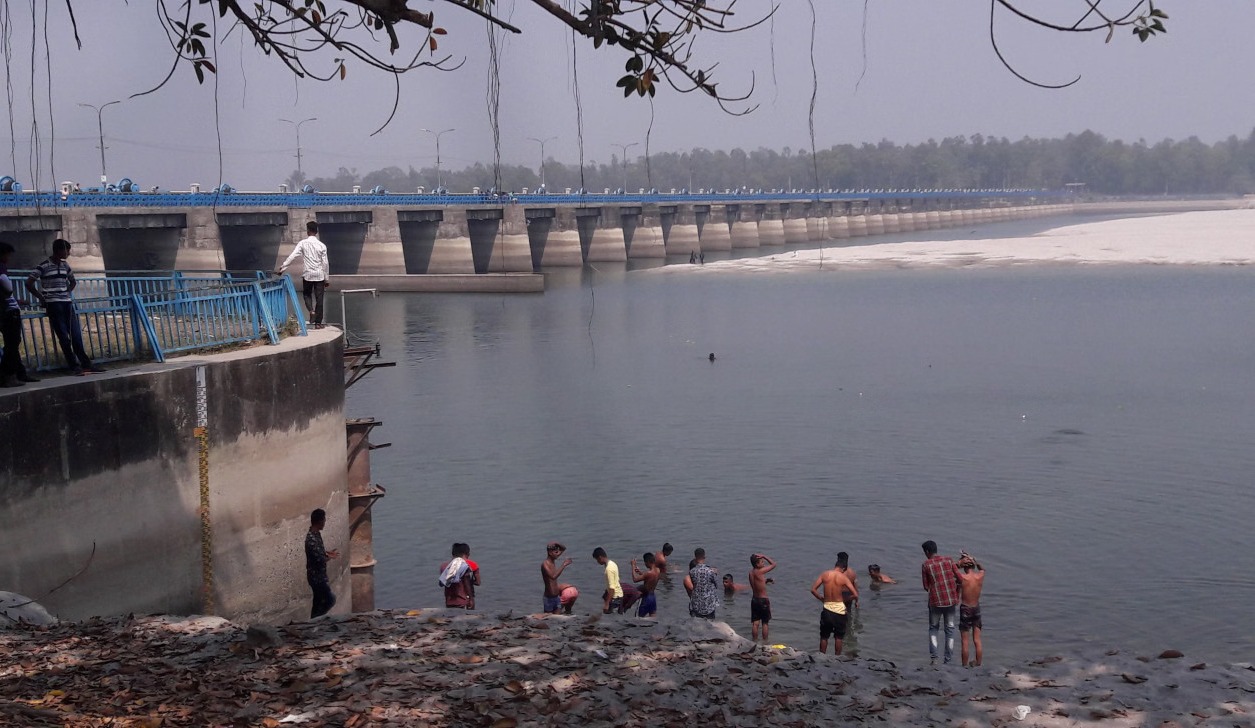
Water, in this narrative, has become an even deeper grievance, symptomatic of unequal, constrained relations and unfulfilled promises. It is an emotionally resonant narrative that carries risks.
Rhetoric alone, however, does not undo treaties. Bangladesh's interim administration is pursuing the negotiations. Institutional channels remain open to dialogue. Yet, diplomacy is shaped as much by atmosphere as by structure. And the atmosphere today is markedly different from the one in which the treaty was signed.
India, too, has changed. The regional power that signed the Ganges Treaty in the mid-1990s, amid post-Cold War optimism and a desire to stabilise neighbourhood relations, shaped in part by the Gujral Doctrine, is not the India of today. Contemporary Indian foreign policy is more domestically constrained, more transactional, and far less inclined to absorb political costs for the sake of neighbourly goodwill. Water-sharing is now increasingly viewed through a lens of strategic national leverage and internal politics.
This is where Bangladeshi posturing matters: not because it provokes retaliation, but because it shapes India's internal calculations. Any renewed Ganges agreement requires not just the central government's approval in New Delhi, but political buy-in from West Bengal, the Indian state most directly affected by this treaty. That buy-in has always been fragile. With state assembly elections on the horizon and water scarcity sharpening domestic anxieties, Indian negotiators operate within narrow political margins.
The Ganges also flows through four other Indian states, including Uttar Pradesh and Bihar, before reaching the delta. Thus, it binds upstream states to the politics of allocation, diversion, and scarcity. In Uttar Pradesh and Bihar, the river underpins agriculture and carries its own political weight.
In such a climate, public hostility from across the border—even when it does not form part of official policy but surfaces through off-handed, unguarded political remarks—hardens resistance, emboldening those arguing against any accommodation of Bangladesh's needs.
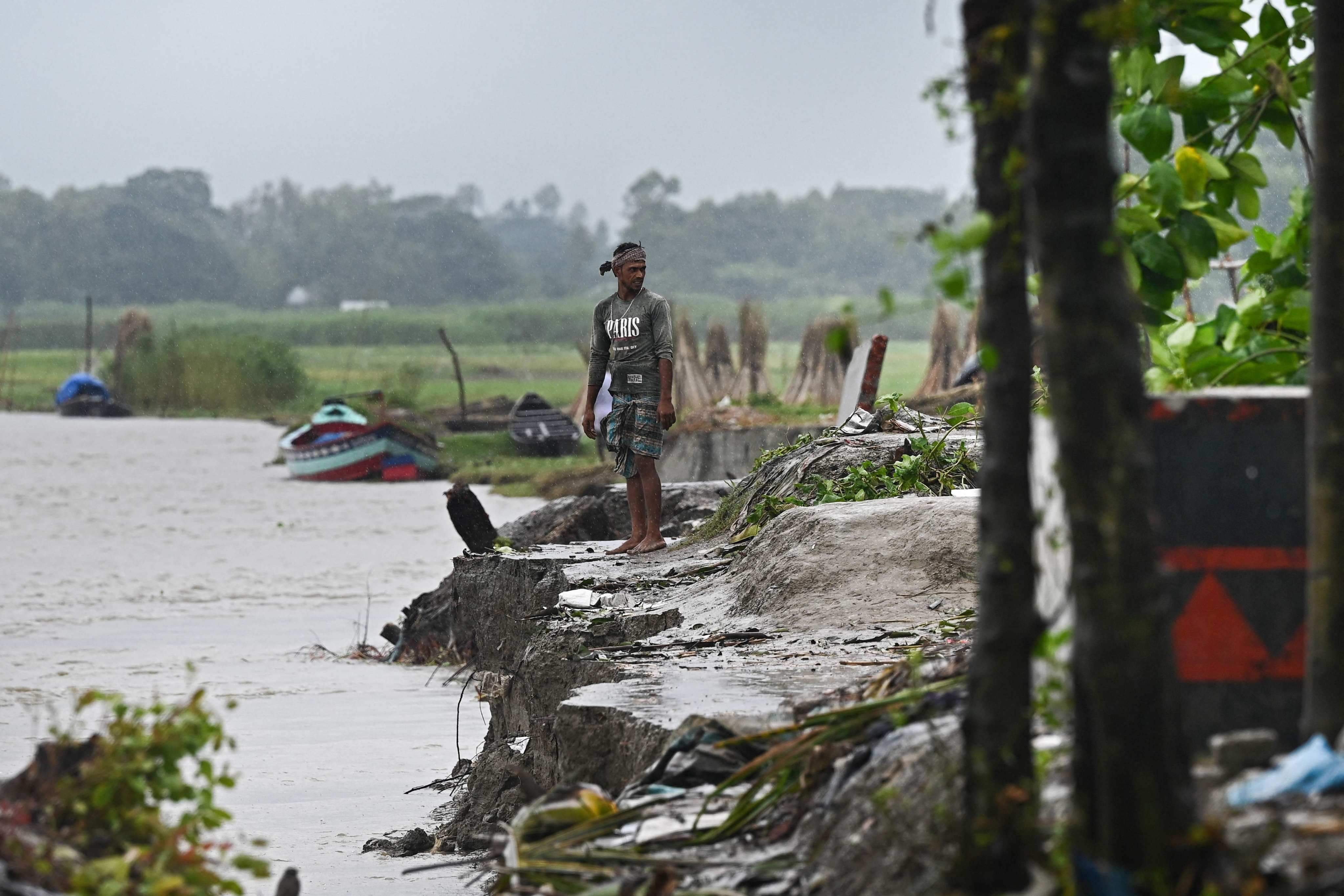
For Bangladesh, the implications are profound. Water security is an existential issue for us. The Ganges sustains our agriculture in the southwest, protects the Sundarbans from salinity intrusion, and underpins rural livelihoods already strained by climate stress. A weakened post-2026 arrangement would not merely be a diplomatic setback for Bangladesh; it would have material consequences for our food security, ecological sustenance, and internal stability.
The next government in Bangladesh, regardless of who forms it following the February elections, will inherit this dilemma. It will face a public less tolerant of perceived deference. At the same time, it will confront a negotiating partner with little appetite for political risk and significant domestic constraints of its own.
If the next government softens its tone too much, it risks being accused of capitulation. If it hardens its stance, it risks shrinking the very negotiating space needed to secure a sustainable agreement. The danger is not outright failure but a subpar outcome: short-term extensions instead of long-term guarantees, vague review mechanisms in place of enforceable commitments, and continuity without security.
There is also a broader geopolitical landscape to consider. Bangladesh's increasingly diversified foreign relations, particularly its deepening economic ties with China, are often interpreted in India as signals of a strategic shift. While Dhaka has consistently insisted on strategic autonomy rather than alignment, perceptions matter.
Practically speaking, Bangladesh has limited alternatives when it comes to water. Infrastructure partnerships, investment flows, and diplomatic support can be diversified; river water cannot. No external actor can substitute for upstream cooperation on the Ganges. This is a bilateral issue between Bangladesh and India alone. This asymmetry places the onus on Bangladesh to manage relations with India carefully even if domestic politics make that difficult.
The interim administration's more legalistic framing of the issue reflects this awareness. By emphasising equity, international norms, and climate realities, rather than bilateral grievance, it has so far avoided upfront escalation. The question is whether this restraint will hold as electoral politics intensify and nationalist voices grow louder, especially among certain political quarters.
None of this suggests that Bangladesh should mute legitimate concerns or accept inequitable outcomes. On the contrary, the case for a stronger, more adaptive Ganges agreement is compelling. Climate change alone demands recalibration. But strength in diplomacy is measured by outcomes.
The emphasis, therefore, should be on defending our interests without burning the bridges needed to secure them; articulating grievances without turning them into grievance politics, and recognising that temperament in diplomacy, is not cosmetic—it is strategic positioning. The real risk is not that the Ganges Treaty will collapse under the weight of nationalist rhetoric or grievance politics; it is the gradual thinning of the space in which a better treaty could have been negotiated.
What this moment calls for is deliberate political calibration. A renewed Ganges agreement will require engagement that extends beyond formal negotiations at the central level, rebuilding confidence across states, constituencies, and political players that have a direct stake in the river's future. This requires sustained back-channel communication not only between governments but also with state-level actors upstream, where water anxiety is at times acutely felt.
It also demands a more thoughtful effort to shape public discourse at home, one that prepares domestic audiences for the realities of negotiation rather than framing compromise as capitulation. In a region where rivers bind neighbours whether they like it or not, the careful preservation of diplomatic space matters as much as any clause on paper.
Tasneem Tayeb is a columnist for The Daily Star. Her X handle is @tasneem_tayeb.
Views expressed in this article are the author's own.
Follow The Daily Star Opinion on Facebook for the latest opinions, commentaries, and analyses by experts and professionals. To contribute your article or letter to The Daily Star Opinion, see our guidelines for submission.
Comments