


Persistence of human rights abuse alarming
Human rights organisations have again painted a sobering picture of the state of rights in Bangladesh. According to a new report by the Human Rights Support Society, at least 156 people were killed and 242 injured in 276 incidents of mob violence up to November this year, averaging around 14 deaths every month. Meanwhile, at least 1,909 women and girls were subjected to sexual violence, of whom 789 were raped, with more than half of the victims being minors. In a separate estimate, Ain o Salish Kendra has said that 29 people were killed extrajudicially or died as a result of torture in police custody, while 28 convicts and 55 under-trial prisoners died in jail. Political and non-political murders have also continued. The media has recorded numerous false murder cases filed against journalists and individuals allegedly associated with the previous regime.
 For all latest news, follow The Daily Star's Google News channel.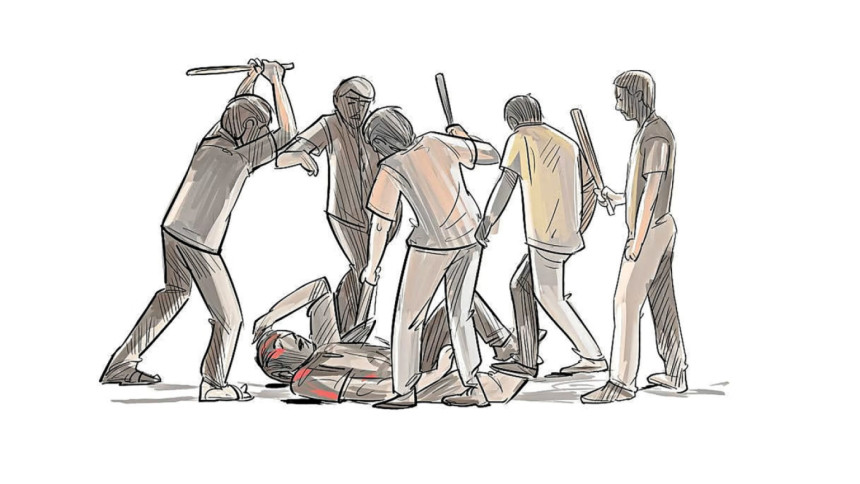
These developments reinforce concerns that the interim government has not been able to curb some of the most severe forms of human rights violations as expected. It is true that the government has taken some commendable steps to end enforced disappearances, including passing an ordinance to punish violators and initiating legal action against some of the accused. But there have been many other violations taking place right under its nose, that should have prompted decisive intervention. It did not.
We must ask, for instance, why custodial deaths and torture continue under a government that emerged from an uprising promising an end to state repression. The continuation of this trend shows that although an autocratic regime has been removed, remnants of its abusive practices remain embedded within state machinery. Arbitrary arrests, torture, and deaths in custody persist because of a lack of accountability for law enforcement and security personnel. True, the long-awaited police commission has been approved through an ordinance recently, promising to curtail impunity and ensure transparency. But when will such reforms actually materialise?
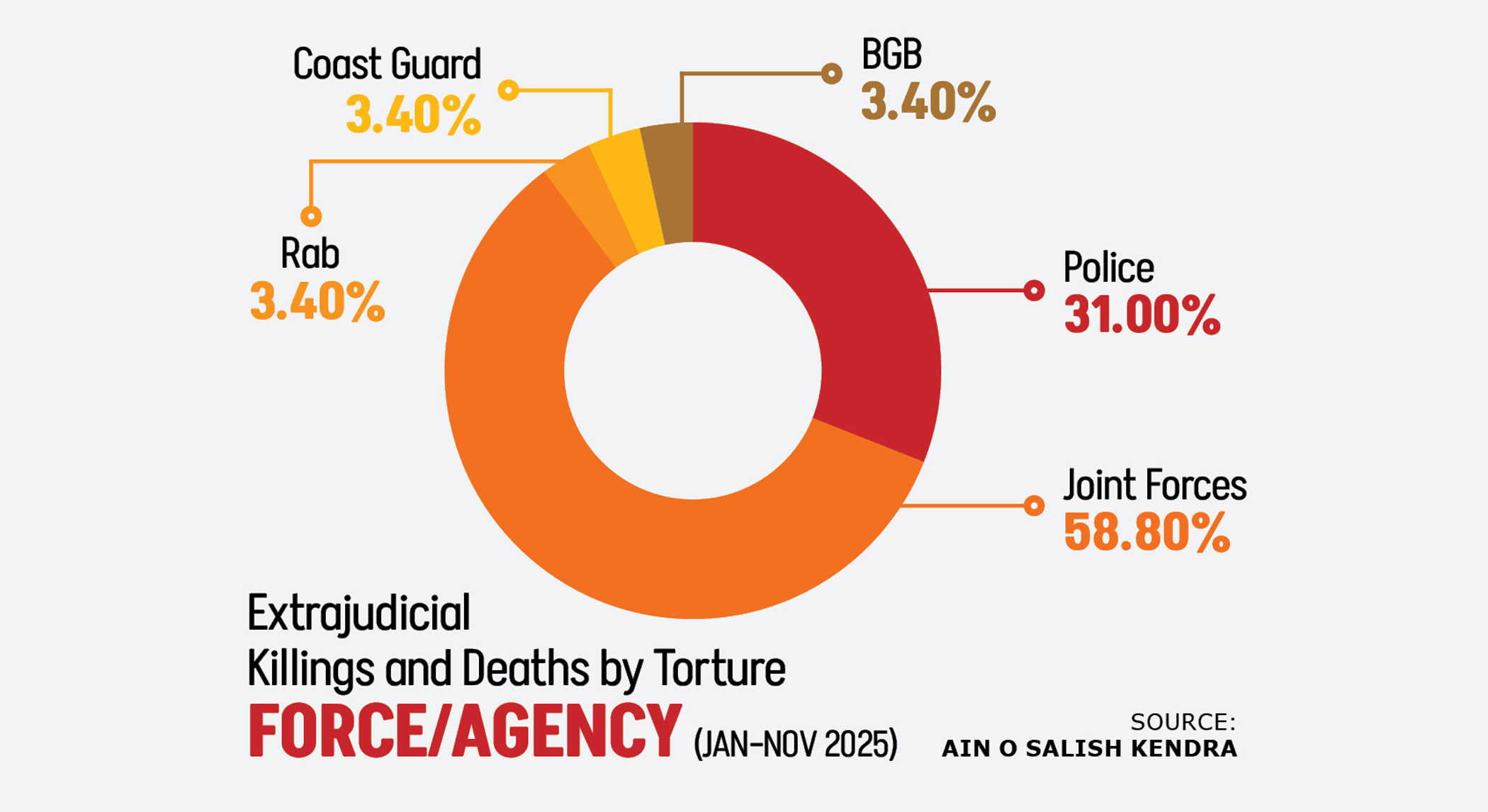
Given the reality illustrated by the above figures, we urge the government to initiate independent investigations into all extrajudicial and custodial deaths and establish genuine accountability mechanisms within law enforcement agencies. It should be pointed out that the persistence of mob violence, often carried out in the name of religion, is largely due to the indifference or half-hearted attempts of the government, which must be addressed. It must identify both instigators and participants in these horrific crimes and ensure they face exemplary punishment. Of equal concern has been its inability to address the growing misogyny and violence against women, both in public and online. The government must provide stronger security for women in public spaces and take firm action against violence within private spheres. Online abuse must also be tackled through better training for law enforcers so they can effectively identify and act against perpetrators.
With the elections around the corner, concerns are mounting that the law and order situation may deteriorate further. So, the government must take up the urgent task of training and equipping law enforcers properly so that they act promptly, effectively, and sincerely in upholding human rights.
Comments