


Cold wave demands urgent govt response
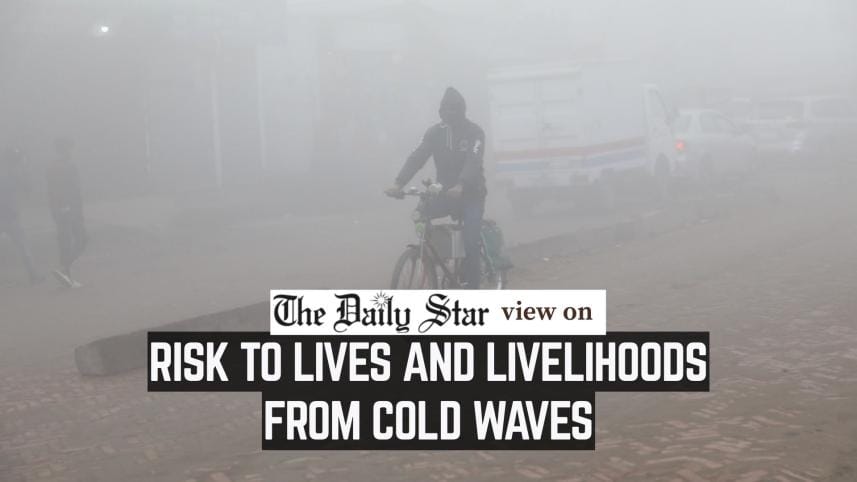
We are deeply concerned by the persistent cold spell across the country, which has been taking a heavy toll, particularly on children, the elderly, and low-income communities. This year, La Niña has lowered temperatures and increased the frequency and intensity of cold waves in the country, making the winter harsher than usual. Experts warn of the possibility of severe cold waves later this month. With dense fog lingering since late December and temperatures plunging far below the seasonal norms, daily life has slowed dramatically in Dhaka and across northern districts. The situation is no longer a matter of discomfort; it has become a public health concern that demands urgent and coordinated action.
 For all latest news, follow The Daily Star's Google News channel.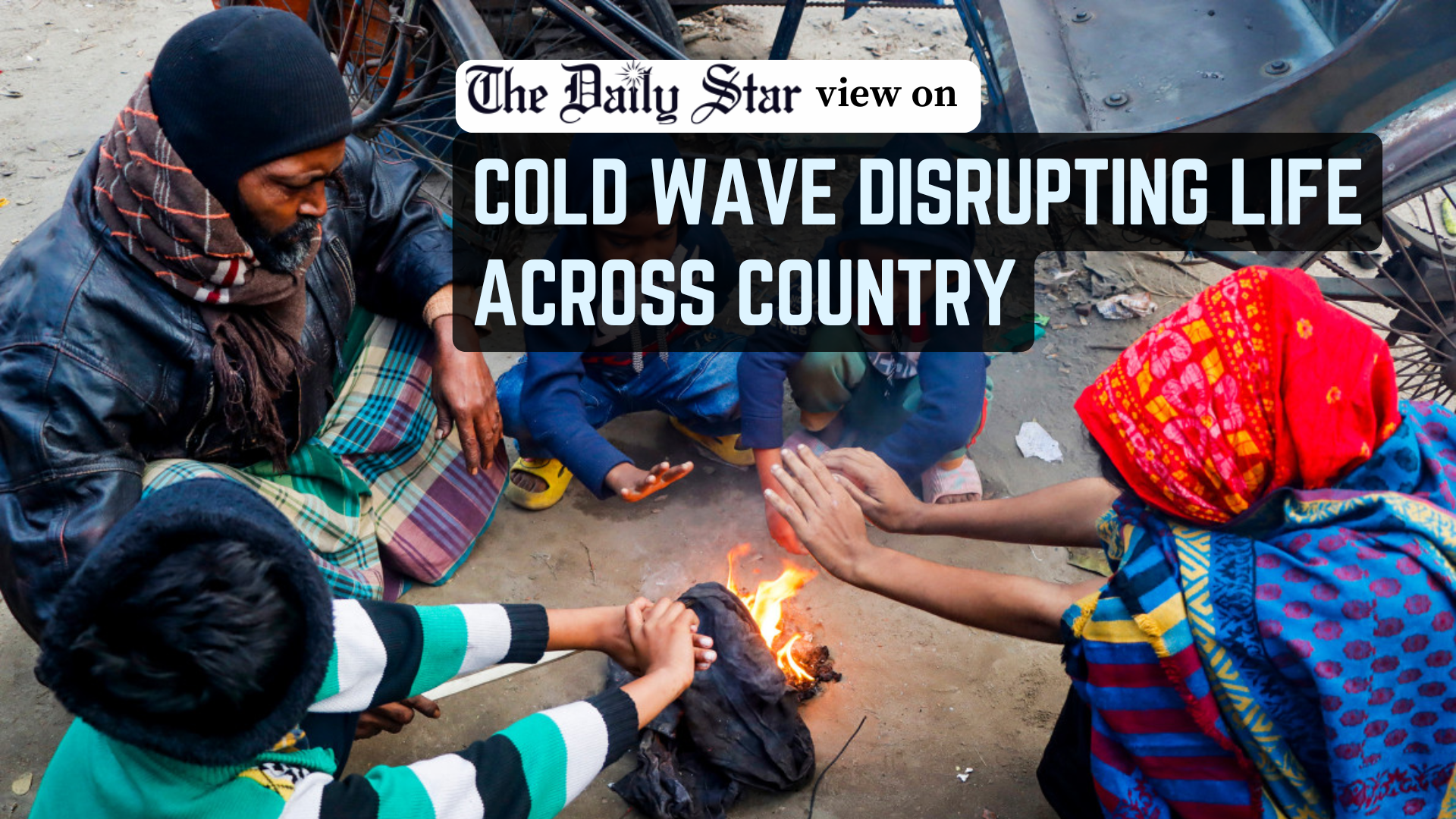
According to data from the Directorate General of Health Services (DGHS), at least 48 people have died from cold-related illnesses since November. Hospitals across the country are under growing strain as cold-related ailments surge, particularly among children and the elderly. Admissions for acute respiratory infections have risen sharply, with thousands seeking treatment daily, and children's hospitals reporting that up to 40 percent of outpatients are suffering from cold-induced conditions. Health officials warn that the number of patients may continue to rise, placing further pressure on already stretched public healthcare facilities.
Day labourers across the northern districts are facing acute hardship as dense fog and biting cold severely disrupt daily work opportunities. Many wait for hours at hiring spots without being employed, while others, such as rickshaw pullers, are earning only a fraction of their usual income as people stay indoors. With no savings to rely on, even a single day without work makes it difficult for these workers to meet basic needs, including food for their families.
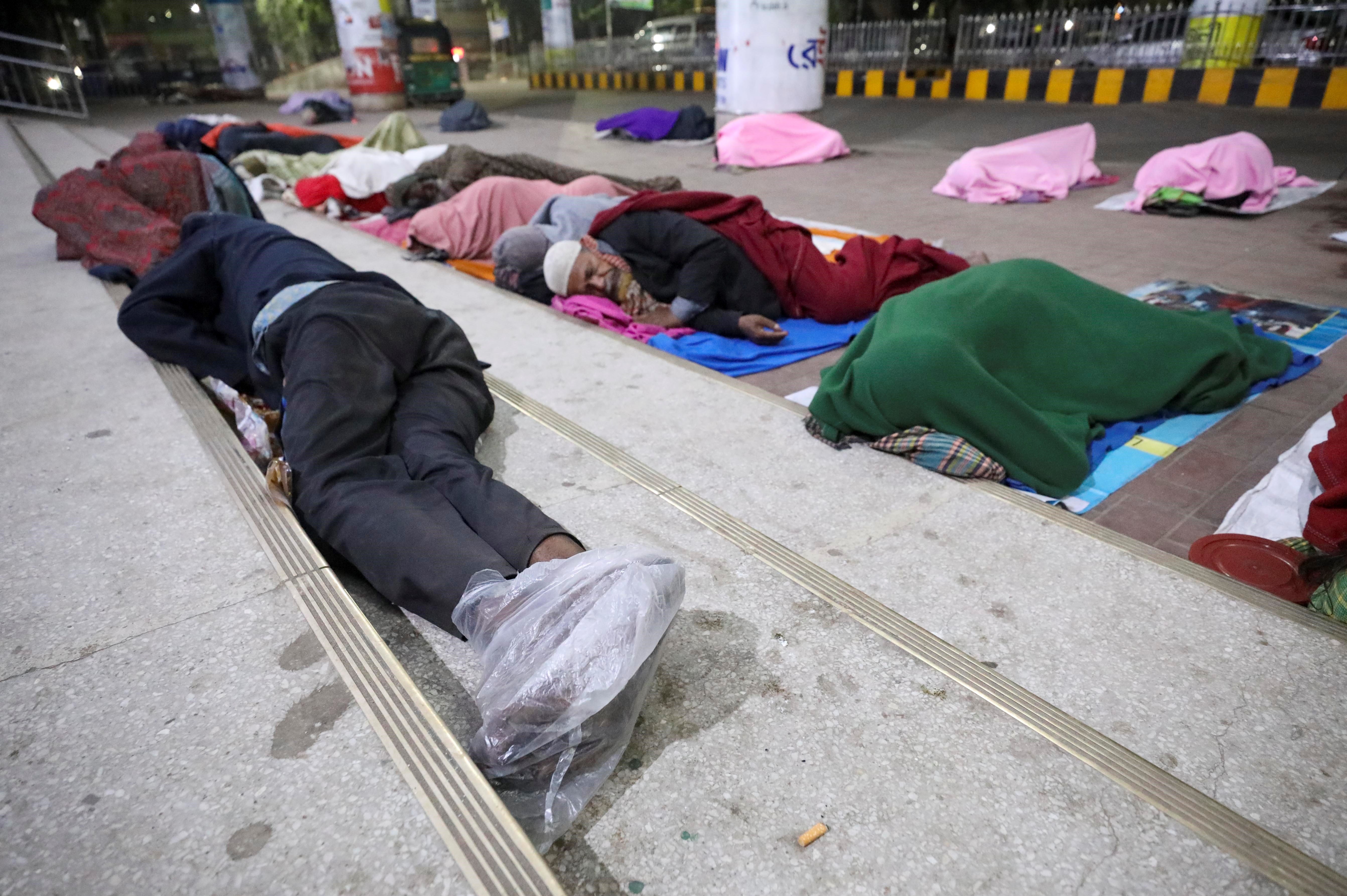
The government cannot afford to treat this biting cold as a routine seasonal event and must take urgent measures to address both cold-related health risks and the loss of livelihoods. Emergency distribution of warm clothing and blankets should be intensified, particularly in cold-prone districts and urban slums. At the same time, the private sector should step forward to support the most vulnerable. Strong coordination between health authorities, local administrations, and community organisations is essential. Public hospitals must be adequately prepared to handle the surge in patients, while health authorities should run awareness campaigns. With timely planning and decisive action, much of the suffering of the people during this harsh winter can be mitigated.
Comments