


A casualty of electoral politics
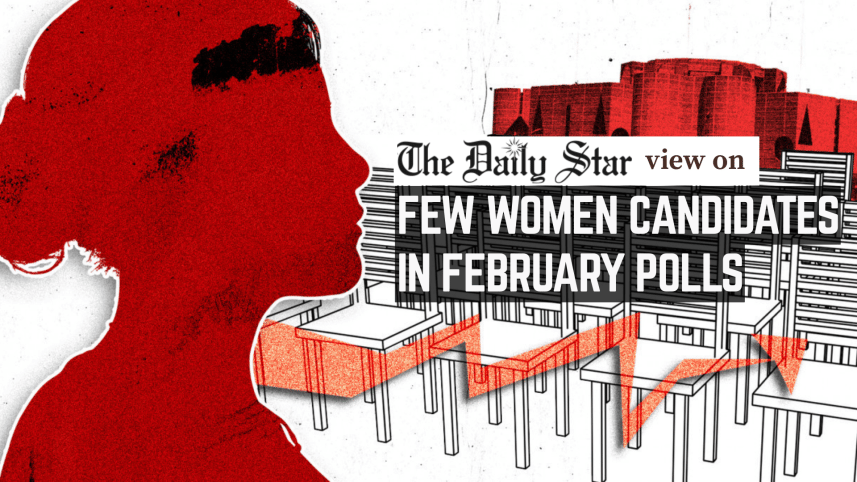
The statistics on women candidatures, so far, in the upcoming election are deeply disheartening. It is particularly saddening that none of the major political parties appear sufficiently committed to proactively promoting the political empowerment of women. Citing Election Commission data, Dhaka Tribune reports that of the 2,582 aspirants who have submitted nomination papers, only 110 are women—amounting to a meagre four percent of the total candidates.
 For all latest news, follow The Daily Star's Google News channel.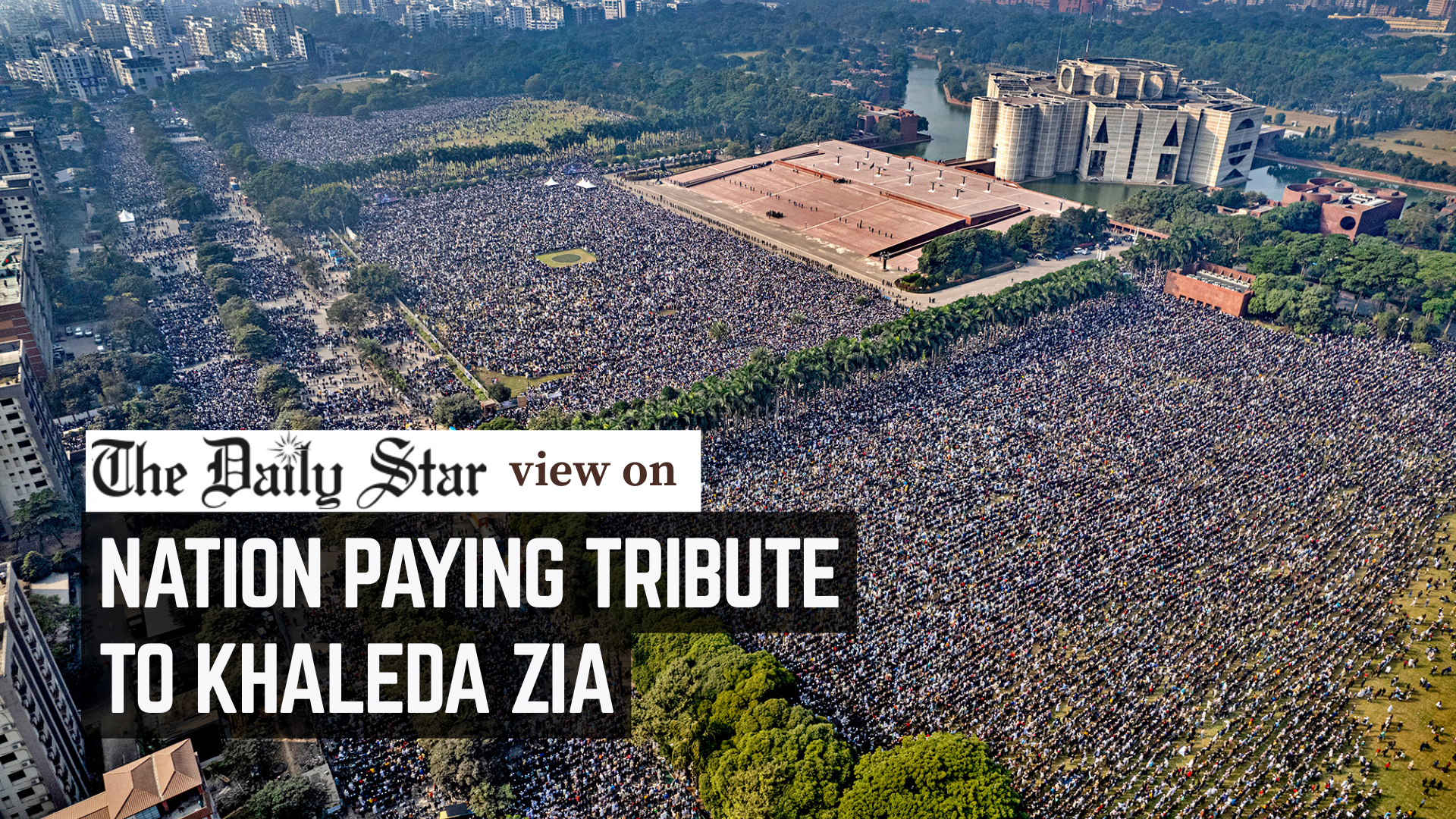
Although the Bangladesh Nationalist Party (BNP) has nominated the highest number of women so far, after the passing of the party's Chairperson Khaleda Zia—who had been nominated in three constituencies—the number has dropped. The left-parties, despite their marginal role in parliamentary politics, nominated women candidates close to BNP's figure. However, almost none of the political parties registered with the Election Commission have met the minimum five percent threshold mandated in the July National Charter.
Ironically, the National Citizen Party (NCP)—born out of the July uprising and once at the forefront of advocating the charter as a new political settlement for democratic governance—has now only three women candidates. Even their fate has become uncertain after NCP's electoral alliance with a Jamaat-e-Islami–led coalition, which may lead to the NCP contesting from fewer constituencies than its original plan. The seat-arrangement issue with Jamaat has led several women NCP leaders—who stood at the forefront of the 2024 mass movement that ultimately led to the collapse of Sheikh Hasina's regime—to leave the party.
The number of women candidates among the other parties in the alliance is also negligible. However, the coalition of Islamic parties, including Jamaat-e-Islami, had publicly assured the implementation of the July National Charter if voted to power, which reportedly attracted the NCP to the alliance. Yet, with the exception of AB Party, most of these Islamist parties have finalised all-male candidate lists for the February polls. Meanwhile, though Jamaat-e-Islami leaders say that women constitute 35 percent of the party's policymaking bodies, it is puzzling that none of them appear to be aspiring to parliamentary representation.
Even the BNP's number of women candidates falls woefully short of reflecting meaningful participation or advancement of women, either within the party or in national politics. This is particularly striking given that the party was led for over four decades by one of the country's most successful women leaders, Khaleda Zia. The BNP would do well to reassess its approach and actively expand women's representation, especially as several rebel candidates remain in the fray and are reportedly eager to be brought back under the party's fold.
We must not allow a regression in women's empowerment. Of the country's 12.76 crore voters, nearly 6.3 crore are women, and their political representation cannot be confined to quotas alone. The signatories of the July National Charter must also be transparent and honest about their commitment to the pledges they have made.
Comments