


A break from global norms at Bangladesh Bank

On February 25, 2026, the government removed Ahsan H Mansur as governor of Bangladesh Bank, replacing him with Md Mostaqur Rahman, the first businessman to lead the central bank in the country’s history.
Mostaqur, an accountant by training, most recently served as managing director of Hera Sweaters Ltd, a garment manufacturer based in Fatullah, Narayanganj. His appointment marks a sharp shift from the traditional profile of central bank chiefs at home and abroad.
 For all latest news, follow The Daily Star's Google News channel.
 An analysis by The Daily Star of central bank governors across 18 countries, spanning major advanced economies, emerging markets, South Asian peers and institutionally weaker states shows that Bangladesh’s newly appointed governor stands apart in both professional and academic background.

The analysis was based on information available on official central bank websites, annual reports, and databases of the International Monetary Fund (IMF) and the Bank for International Settlements (BIS). Local and global news reports were also reviewed.
The global pattern
Across the 18 countries reviewed, 10 governors are either career economists, central bankers or long-serving financial regulators. Many rose through the ranks of their own institutions.
For example, Sri Lanka’s Nandalal Weerasinghe, China’s Pan Gongsheng, the UK’s Andrew Bailey and Pakistan’s Jameel Ahmad served as deputy governors of their central banks before assuming the top position.
Another common pathway runs through international financial institutions or senior government finance roles. The Philippines’ governor Eli Remolona spent nearly two decades at the Bank for International Settlements and worked at the Federal Reserve Bank of New York for 14 years. India’s Sanjay Malhotra previously served as secretary of financial services at the Ministry of Finance before becoming the top central banker in his country.
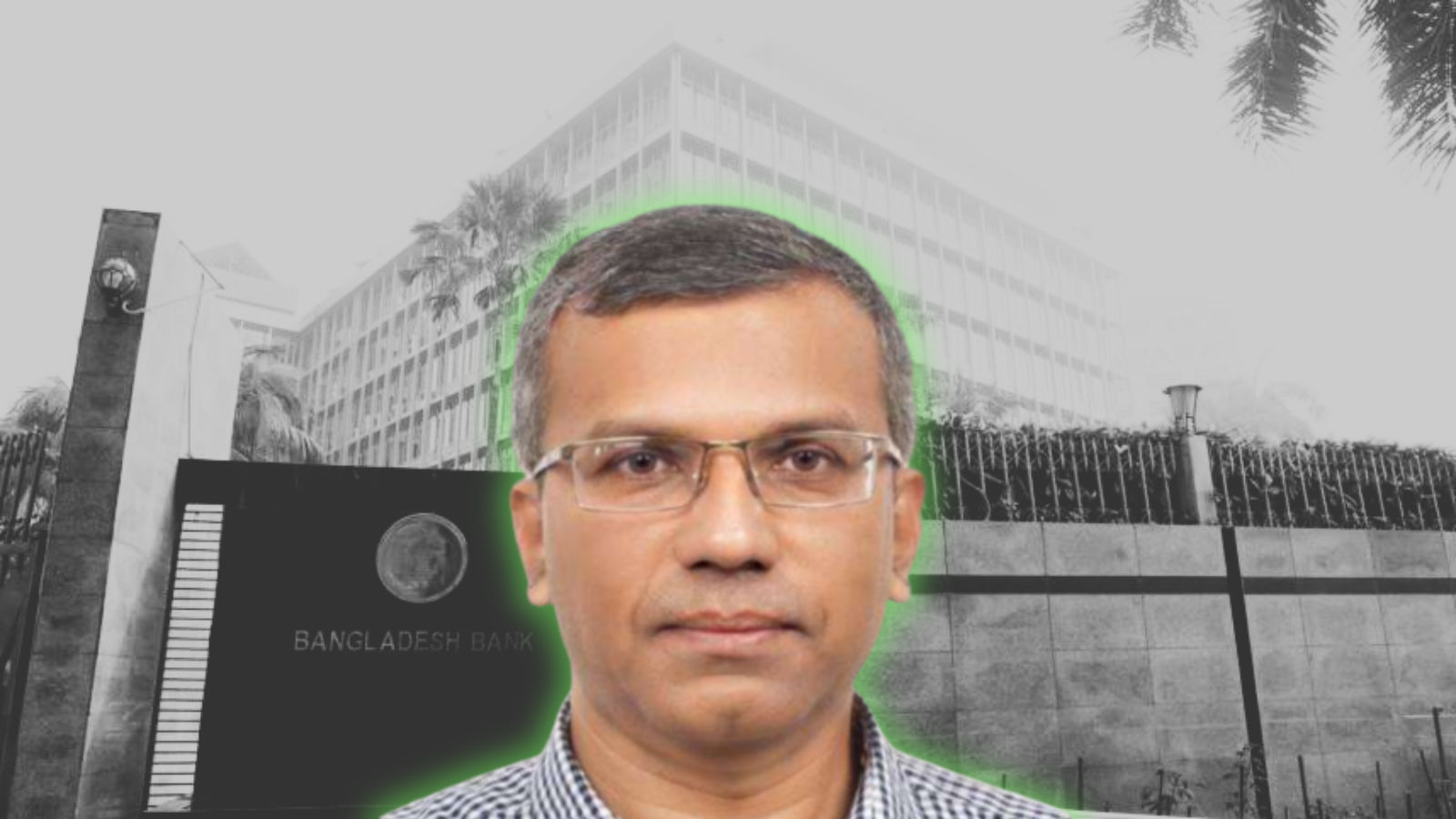
By contrast, Mostaqur is the only governor in the group to move directly from a private manufacturing business into the top central banking role, without prior experience in monetary policy, financial regulation or senior public finance, experts have pointed out.
Regional contrasts
The divergence is equally clear in South Asia. Bangladesh’s newly appointed governor does not share the academic or institutional profile common among his regional peers.
In Sri Lanka and Nepal, the current governors, Nandalal Weerasinghe and Biswo Nath Poudel, hold PhDs in economics from leading global universities. Before becoming governors, they had accumulated years of experience working with various financial and economic institutions.
Poudel, for instance, previously served as Vice Chairperson of Nepal’s National Planning Commission. India’s present central bank governor is a career bureaucrat, while Pakistan’s is a veteran banker with extensive experience in managing financial institutions.
Bangladesh’s choice also differs from countries often described as having weak institutions or high corruption, such as Somalia and South Sudan. Central bank governors in Somalia and South Sudan previously worked in public finance ministries, central banking, or international financial consulting. Moreover, both of them received advanced training from universities in the United Kingdom.
The Daily Star’s analysis also reveals a pattern in academic qualifications. About 53 percent of the governors whose profiles were reviewed hold PhDs, including those in major economies such as the UK, Japan and China, as well as in Sri Lanka and Nepal.
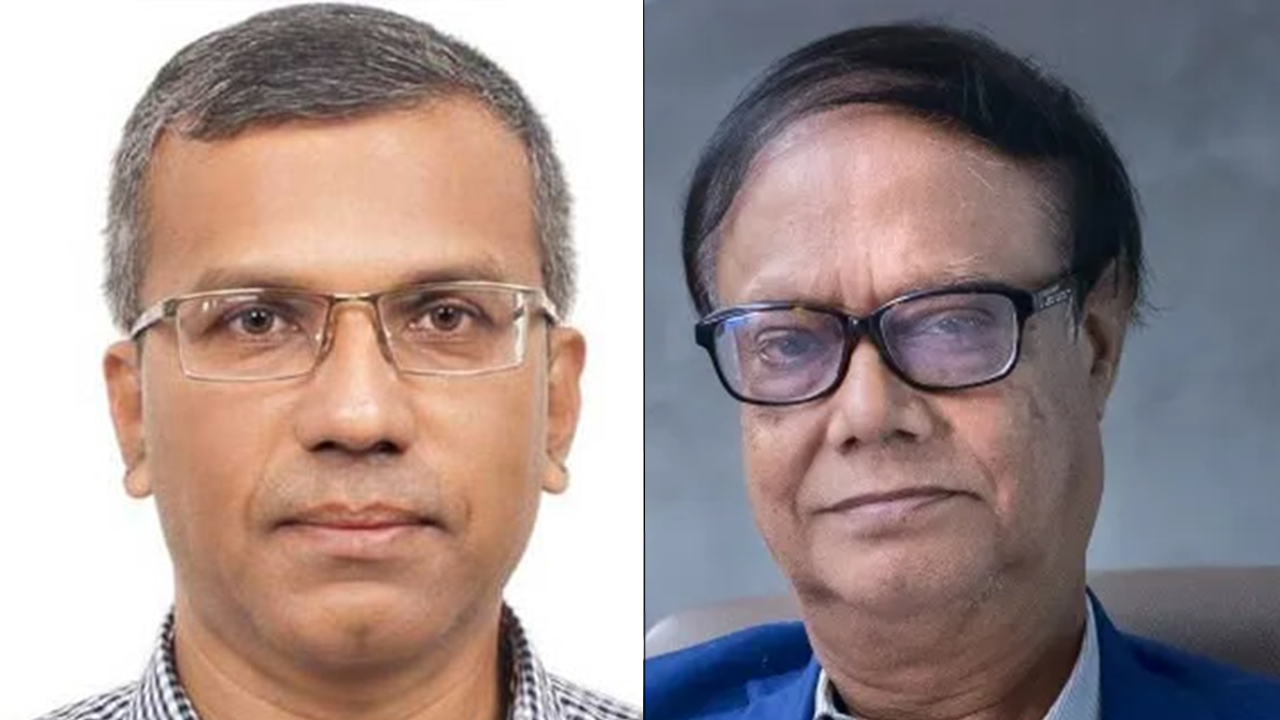
A doctorate in economics or a related field is generally the standard in advanced economies. However, exceptions exist. For example, Britain’s central bank governor, Andrew Bailey, holds a PhD in History from the University of Cambridge.
In the global south, the profiles are more varied, with many holding master’s degrees or MBAs. However, a significant number obtained advanced training from elite western universities such as Stanford, Harvard, Princeton and Durham, reflecting a preference for globally recognised credentials.
Mustafa K Mujeri, executive director of the Institute for Inclusive Finance and Development told the Daily Star that in many countries, there are clear competency standards for appointing a central bank governor. Bangladesh has no such standards.
As a result, governors in other countries are generally highly respected and possess advanced academic qualifications in finance and economics, something Bangladesh lacks, he noted.
Mujeri, also a former chief economist at the Bangladesh Bank, said that in Bangladesh, appointments are made based on political considerations and personal preference, with little importance to professional qualifications.
“Consequently, we have seen that individuals can be removed from the position of governor very quickly and replaced by others just as easily. This instability has contributed to the current distress in our banking sector, a situation that is not commonly observed in many other countries.
“To overcome this situation, we must establish a structured and transparent framework for appointing the central bank governor, so that not just anyone can be appointed to the position,” he noted.
The authors are interns at The Daily Star.




Comments