


Can the new Bangladesh Bank governor act independently? TIB voices concerns
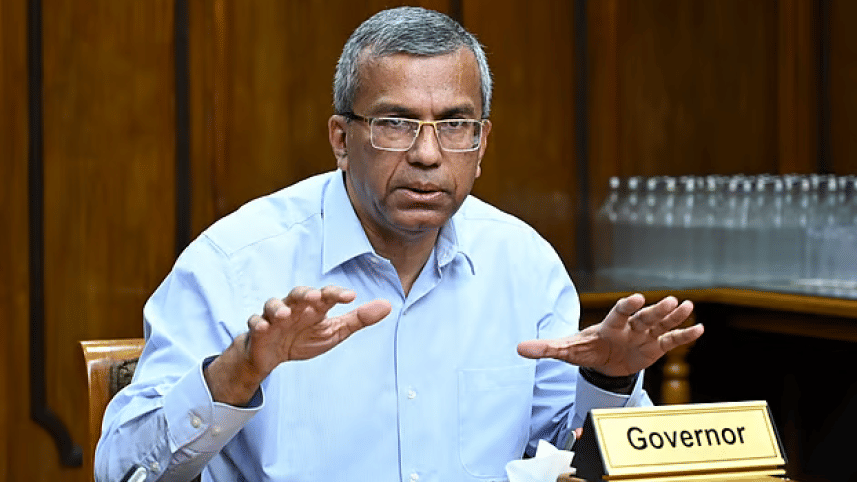
Transparency International Bangladesh (TIB) has expressed concern about whether the newly appointed Bangladesh Bank governor can discharge his duties independently and be free from conflicts of interest.
In a statement, TIB Executive Director Dr Iftekharuzzaman said, "The newly appointed governor’s experience in the banking sector is primarily related to being a borrower, later a loan defaulter, and subsequently benefiting from loan rescheduling under special consideration. In addition, he has played significant roles as part of influential business lobbies, including the readymade garment sector, the real estate sector, and the Dhaka Chamber."
 For all latest news, follow The Daily Star's Google News channel.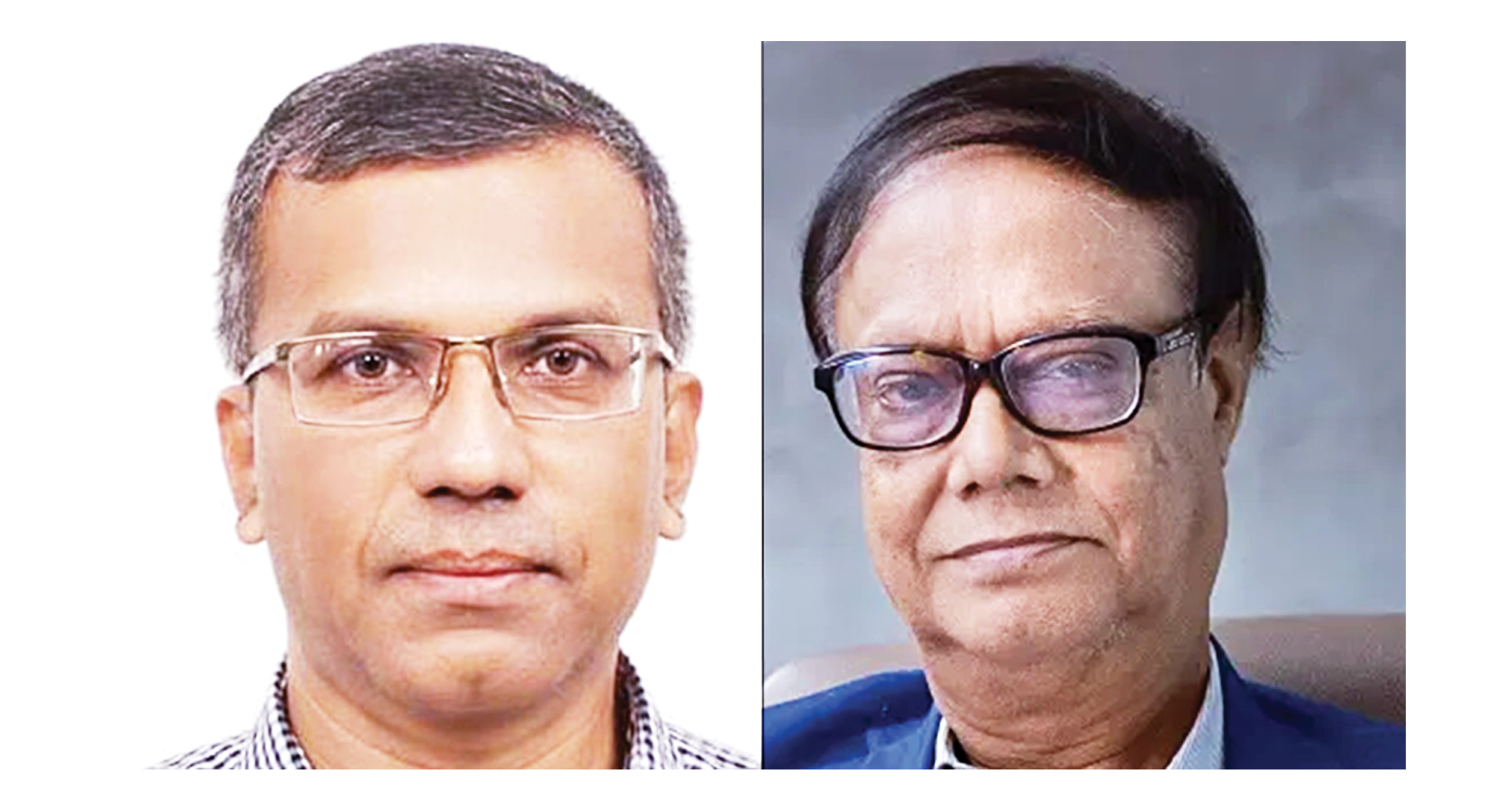
TIB questioned how impartial the governor could be in ensuring inflation control, financial stability, and good governance in the banking sector, given that nearly 60 percent of MPs and 62 percent of cabinet members are business professionals, with about 50 percent of MPs being borrowers.
Dr Iftekharuzzaman said that appointing a businessman with such a background risks turning the central bank into a tool of vested interests, similar to practices during the "authoritarian kleptocratic regime."
“The government must also consider how prudent it was to entrust the central bank’s leadership to a member of the election management committee of the ruling party," he said.
He also pointed out that the appointment is "a clear breach" of the BNP government’s election manifesto pledge to ensure good governance and transparency in the financial sector.
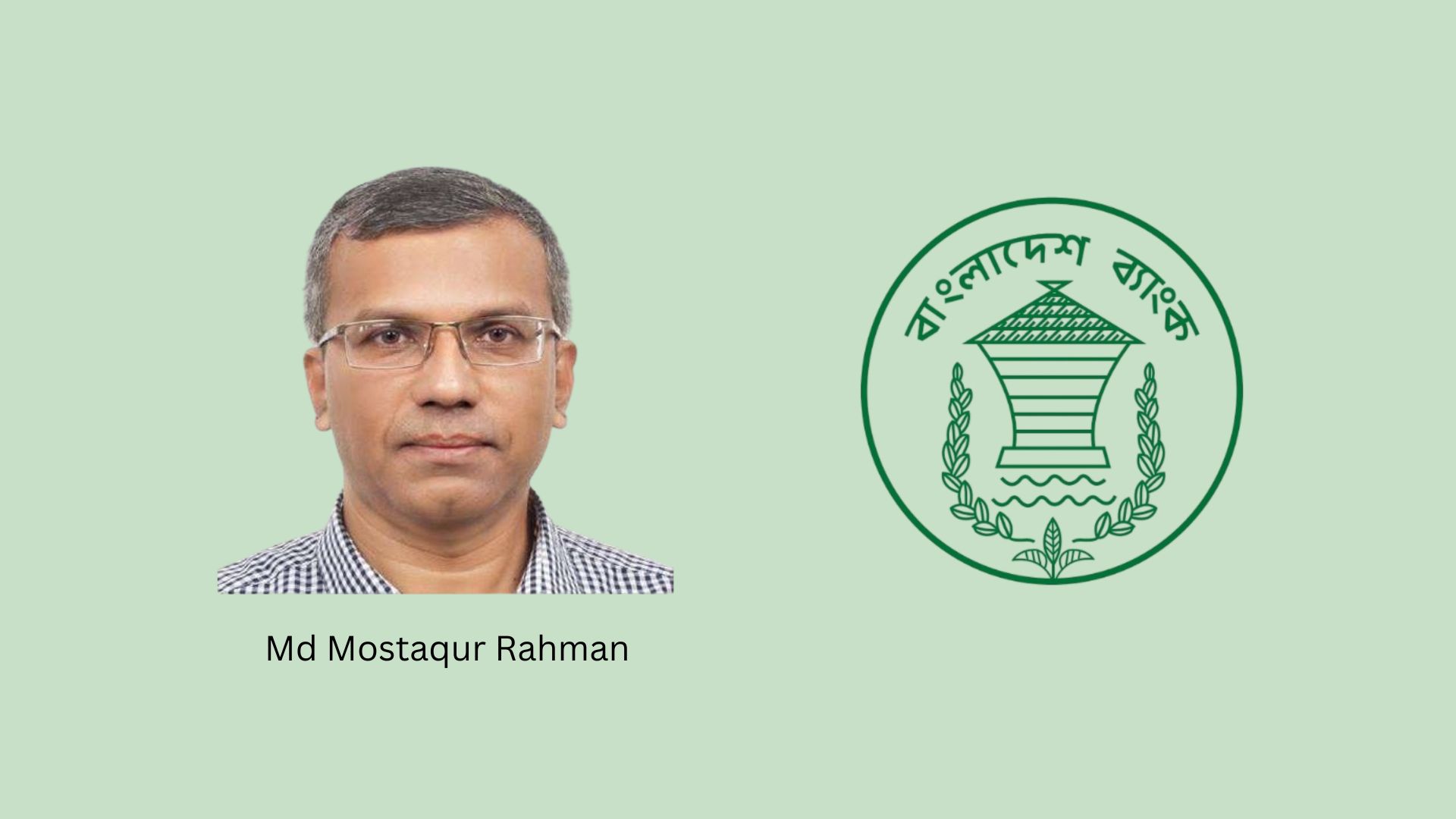
Rising above business interests, will the new governor be able to take independent and impartial decisions to control inflation, maintain financial sector stability, and take punitive action against weak banks that protect personal interests, questioned TIB.
The organisation further questioned whether this appointment aligns with the public demand for an independent central bank following the 2024 mass uprising.
Comments