


Bangladesh loses its fiercest voice for democracy

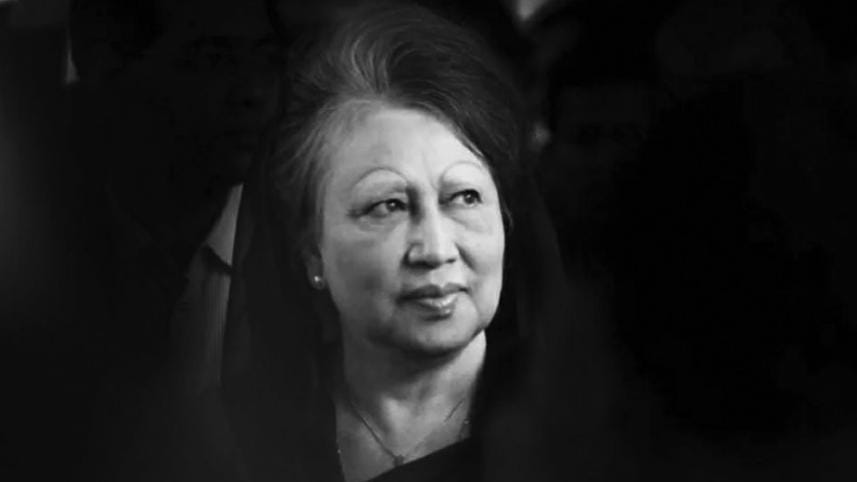
Bangladesh stands stunned in collective grief today. The void created by the death of a political leader is always profound, but the demise of BNP Chairperson and former prime minister Khaleda Zia has multiplied that emptiness many times over. She was not merely the head of a political party; rising above partisan identity, she emerged as an uncompromising leader of the masses and a symbol of humanity who fought relentlessly for democracy.
Khaleda Zia's steadfast resistance to autocracy, fascism and domination repeatedly showed the nation a path out of democracy-starved circumstances and infused it with the ideals of liberty and freedom.
 For all latest news, follow The Daily Star's Google News channel.
 Her long political journey, people-centric leadership and unwavering commitment to Bangladesh's independence and sovereignty will remain unforgettable.
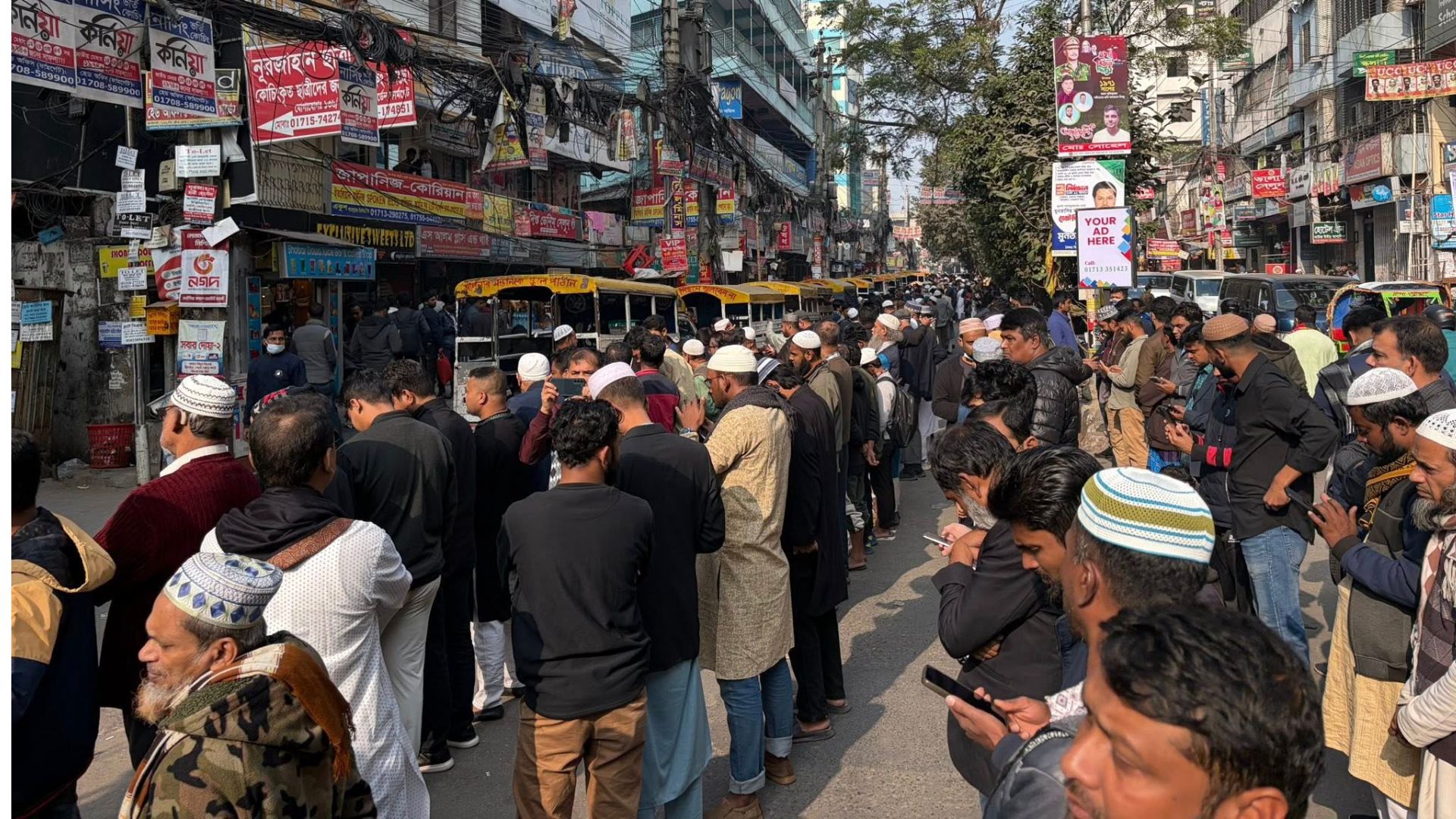
The absence of such a devoted, farsighted and bona fide patriot is irreparable. With her passing, the nation has lost a guardian who stood for accountability and compassion.
In the long journey of people's emancipation, Khaleda Zia never accepted defeat. At the same time, she demonstrated that victory does not lie in clinging to power, but in living on in the hearts of the people and in history.
Her rise was not inherited; it was earned through struggle, sacrifice and responsibility.
After the assassination of President Ziaur Rahman in 1981, she sought to return to private life. History denied her that choice.
In 1983, a woman who had spent 21 years as a homemaker assumed leadership of the BNP. Elected chairperson unopposed in 1984, she entered politics at a moment of national crisis, when Bangladesh was under military rule. What began as duty soon became a long, arduous struggle for democracy.
During the dark years of military autocracy in the 1980s, Khaleda Zia emerged as the foremost civilian voice for democratic restoration. Throughout the nine-year movement against Ershad's regime, she remained firm and resolute.
Her decision to boycott the 1986 election under military rule was politically risky but morally defining. Arrests, imprisonment and repression followed, yet she did not retreat. These sacrifices secured her a permanent place in the nation's political consciousness.
The 1991 election marked a watershed. Contesting from five constituencies and winning all of them reflected the depth of public trust in her leadership.
As Bangladesh's first woman prime minister, her most consequential act was restoring parliamentary democracy by ending the presidential system. Even while in power, she chose to decentralise authority.
Her introduction of the caretaker government system in 1996 further demonstrated political foresight. Faced with unrest and opposition demands, she amended the Constitution to ensure neutral elections, despite having the option to retain power. This decision elevated her standing beyond party politics and affirmed her role as a statesperson.
Economic democratisation lay at the heart of her governance. VAT reforms, capital market development and the establishment of the privatisation board sought to dismantle elite monopolies. At the same time, the expansion of the garments sector and the creation of the Ministry of Expatriates' Welfare brought tangible change to millions of lives.
Human empowerment was central to her vision. The Food for Education programme addressed poverty and illiteracy simultaneously, while free education and stipends for girls challenged social conservatism. Increasing reserved seats for women in parliament institutionalised women's participation in politics and strengthened democratic representation.
In the history of world politics, Khaleda Zia occupied a unique position. After Benazir Bhutto, she became only the second woman to lead a Muslim-majority country. Global recognition followed, including repeated listings among the world's most influential women.
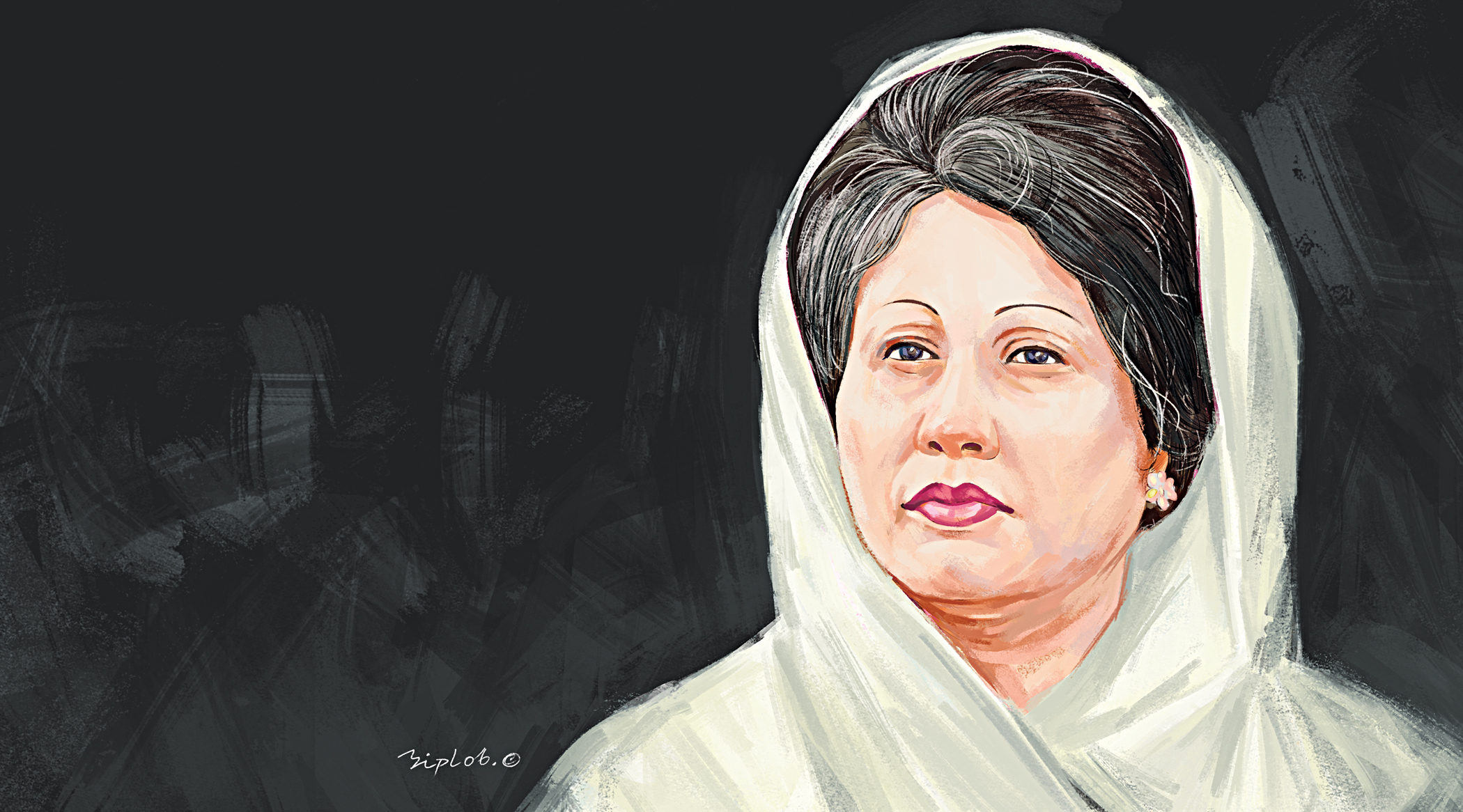
Despite imprisonment, illness and sustained political pressure, she never chose exile. She remained in her country, sought treatment on its soil and breathed her last here.
That choice, like much of her life, was deliberate.
Today, she is no more. Yet the questions she leaves behind are unavoidable: can Bangladesh restore the dignity of parliamentary democracy and political civility? Khaleda Zia's life reminds us that democracy is not granted—it is achieved through struggle and sustained through morality and accountability. In the history of Bangladesh's democratic journey, she will remain enduring and indelible.
The author is the Information and Technology Affairs Secretary of the Bangladesh Nationalist Party (BNP).
Comments