


The cutlet and the ‘journey by train’ essay

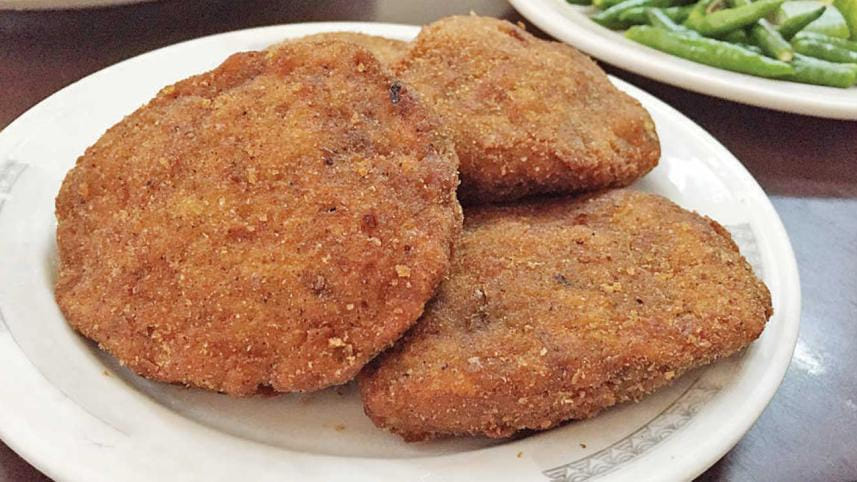
Few artefacts of schooling in this part of the world are oddly persistent, stubbornly uniform as the “journey by train” essay.
I too wrote it. And like most who passed through that pedagogical corridor, I learned to render commute without ever really capturing it.
 For all latest news, follow The Daily Star's Google News channel.
 Train journey, in lived experience, has not only been about just travelling alone, but also about tasting. And on that note, a certain item consistently remained in the margins of imagination -- the cutlet.
The cutlet in the Indian subcontinent is a compressed history of adaptation. A colonial inheritance reworked through local instinct, an imported idea made unrecognisable through spice and necessity.
Minced meat – chicken, mutton or beef – folded with mashed potato, seasoned into the shape of familiarity, then cloaked in breadcrumbs and surrendered to simmering oil. It emerges transformed, neither entirely European nor entirely local, but unmistakably ours.
What began as Anglo-Indian and colonial table fare mutated in the kitchens of Dhaka and Kolkata into something more democratic, more portable, more aligned with the rhythms of street life.
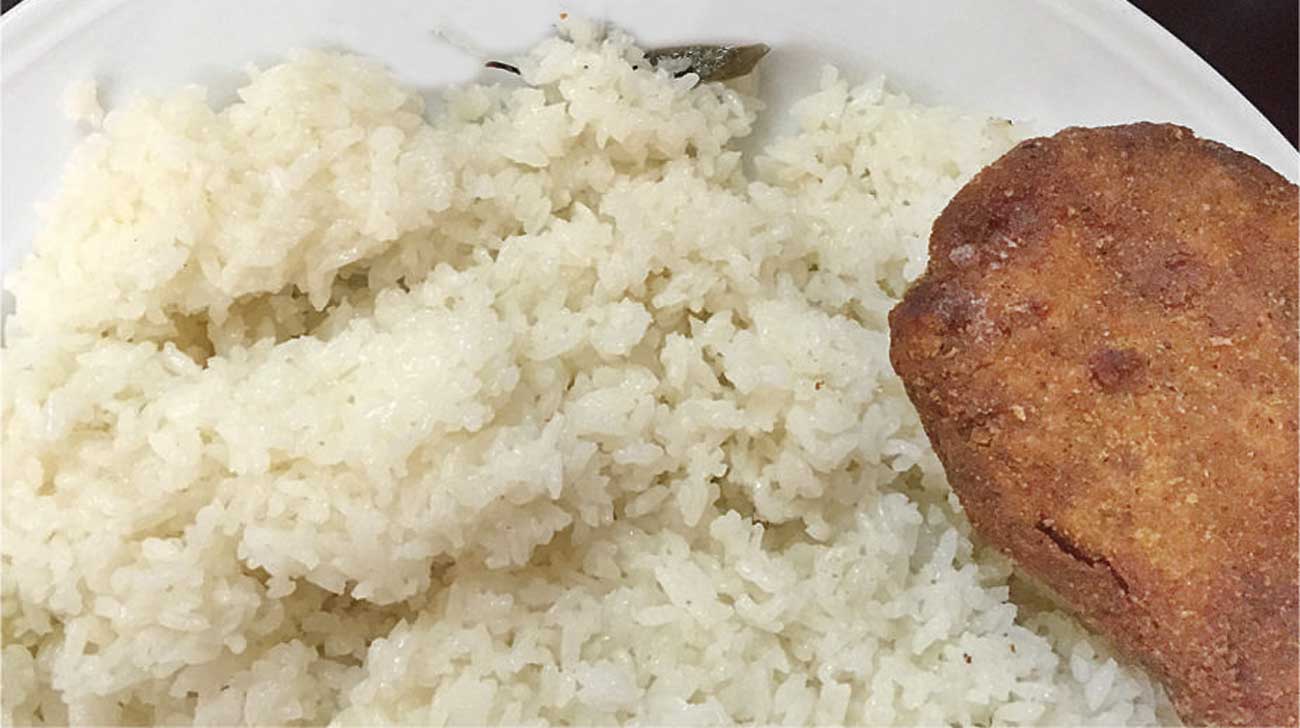
The chicken cutlet, the vegetable chop, the egg cutlet, even the decadent kabiraji with its lace of fried egg -- each variation is less a recipe than a negotiation between memory and necessity.
And it is precisely here that the train essay begins to fracture.
The composition imagines travel as clean observation.
But real travel, particularly by rail, is punctured by interruptions of taste and smell. At stations and on platforms, at the edge of departure and arrival, the cutlet asserts itself as a sensory footnote that refuses to remain subordinate. Crisp exterior, soft interior, a kind of edible contradiction.
There is a geography to it as well. In older quarters of Dhaka, especially around Puran Dhaka, the cabins and heritage eateries still preserve a cutlet tradition that feels almost archival in its persistence.
One might think of places such as New Cafe Corner, where time seems to sit in the corners like dust that refuses eviction.
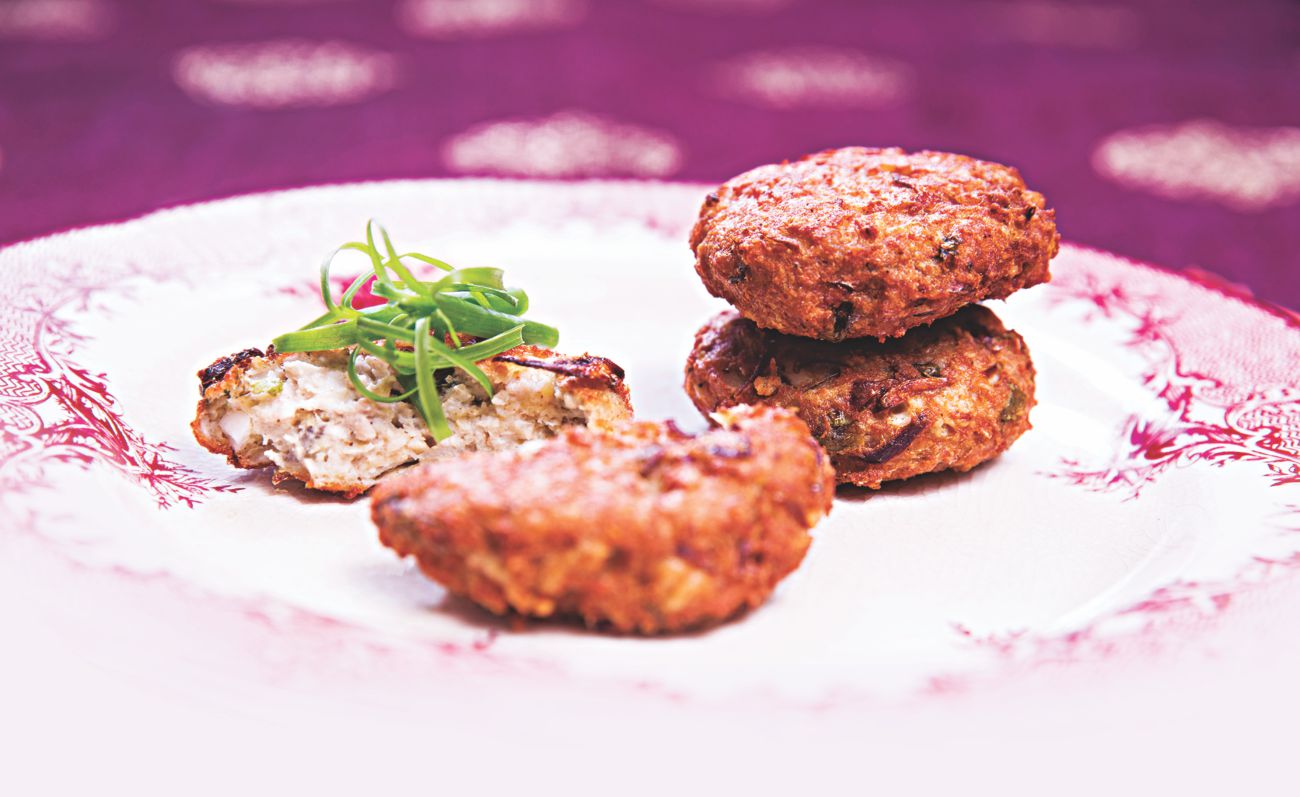
Elsewhere, in the informal economies of evening streets, frying stalls bloom with the day’s fatigue, offering cutlets to commuters who have already mentally arrived home.
Ramadan transforms food into both spectacle and necessity. The cutlet here is not just a snack but a punctuation mark in the long sentence of fasting and breaking. Amidst the intensity of iftar markets, it becomes part of a wider choreography of relief, indulgence, and communal release.
What makes the cutlet culturally interesting is not simply its taste, but its positionality. It exists in transition, much like the train itself. Yet unlike the essay’s train, which is always clean, punctual, and narratively obedient, the cutlet is messy in its honesty. It is consumed quickly, often standing, often without ceremony. It leaves behind crumbs rather than conclusions.
There is a quiet irony in this pairing -- the colonial classroom taught us how to write about movement, while the streets taught us how to experience it.
And between them lies a small, fried object that carries more truth than the essay ever permitted itself to admit.
Comments