


How Eid quietly changes for parents every single year
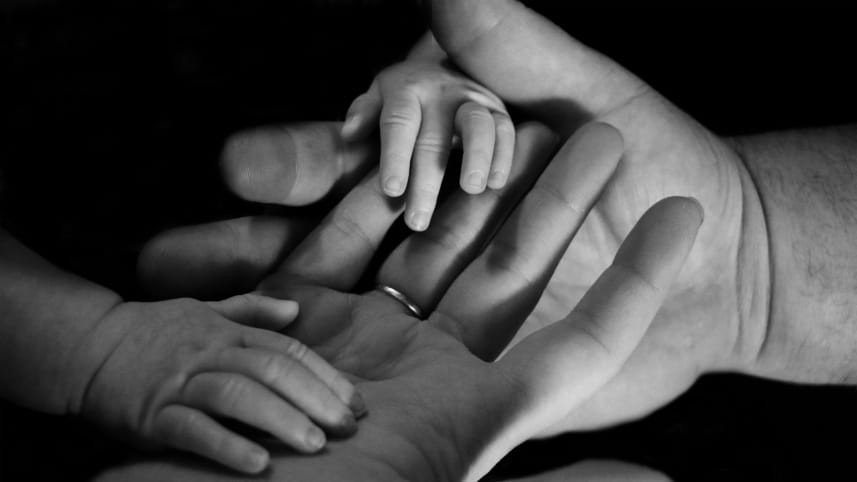
Ask any parent what Eid means to them, and the answer will entirely depend on which chapter of parenthood they are experiencing right now. For the parents, the celebration quietly changes with each stage of their children’s lives.
The excitement of dressing up a firstborn for Eid, the bittersweet feeling with a teenager's different view, the pain of celebrating Eid without a child who is studying abroad or the shift in emotion when a daughter celebrates her first Eid with in-laws—these moments quietly reshape how parents celebrate the festival.
 For all latest news, follow The Daily Star's Google News channel.
 The first Eid after becoming a parent becomes a big milestone. The festival all of a sudden carries a different meaning.
“When my daughter was born, Eid celebrations doubled,” says Atia Tanjum, a 30-year-old mother of one. “Buying her first Eid dress, getting her ready and matching up with her – those moments will stay forever with me.
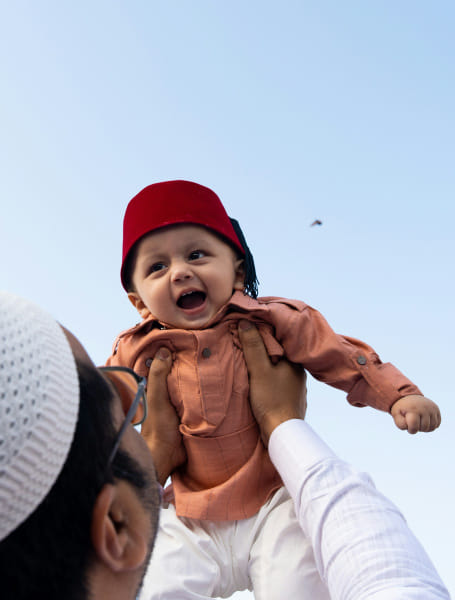
Early parenthood makes you discover the festival in different ways through the children’s eyes. The sense of responsibility towards her and making things to her liking later became part of our tradition. These endless emotional moments make Eid feel more meaningful.
“A small tradition we started because of our daughter is we celebrate one Eid abroad, and that vacation plan revolved around her," Atia adds.
Parents often find themselves discovering the festival in different ways through their children’s eyes. But as children grow up, the dynamics of Eid celebrations change with their age. The child who used to refuse leaving their parent’s side eventually becomes a teenager with their own plans.
“Now my son is 16, and Eid morning is the only time we spend time with him,” laughs Sharmin Sultana, a mother of two teenagers. “He gets ready quickly after Eid prayer, clicks photos with us, collects his Eidi, and then vanishes from our sight for the whole day with his friends.”
This phase comes with mixed emotions for many parents: a sense of pride in how independent they have become, but also a subtle distance.
“When they were younger, we spent the entire day roaming around different relatives' houses or watching a movie together, but now their world is bigger than just family,” says Sharmin. “I understand this is what growing up looks like, but I still miss the old days sometimes.”
Whereas teenage independence is a natural transition for humans, some of the most emotional moments happen when children leave home entirely for studies or a job. The first Eid after a child moves abroad for studies can feel very unnervingly quiet.
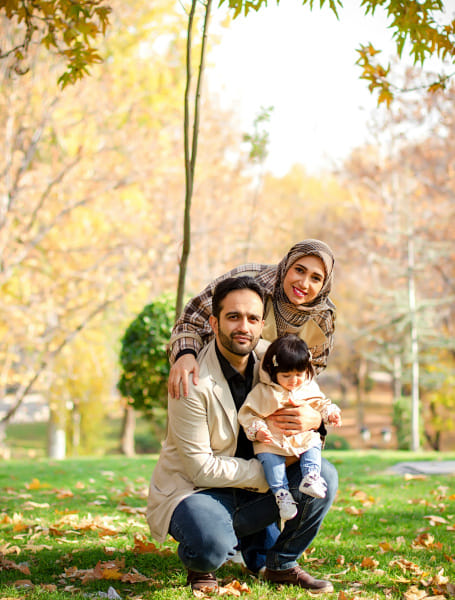
“The house felt strangely empty when Naina left,” recalls Maleka Nasreen, whose eldest daughter moved to the UK a few years ago for her master's. “She used to plan everything: what to eat, which relatives we should visit first and what colour we should buy and match, but now it felt so incomplete.”
We have smart technology and stay connected, but it can never replace the physical presence of them around us.
Another emotional turning point for parents often happens when their daughter gets married. The first Eid after a daughter’s marriage marks a significant change in the family and makes them realise how small yet different it was.
'This is my first Eid without my daughter at home, and it was harder than I expected,’ says Farhana Akhtar, a mother of three. “Every year we waste a lot of time straightening her hair and helping her get ready; this year, these small moments are making me very emotional.”
Although living in the same city makes it easier for married daughters to visit their parents during Eid, the rhythm of the festival still changes all of a sudden.
“She will visit with her in-laws on the Eid day,” Farhana adds. “I am really excited to see her, as I can see myself in her when I get married, but there is still that small feeling in the corner of my heart that in a few months my daughter will become a guest to us.”
Despite bittersweet emotions, the picture kind of changes when grandparents enter the picture. “When my grandson was born, Eid became a little chaotic and lively again,” says 65-year-old Abdul Hannan Mia with a smile on his face.
“Three generations of my family going to Eid prayer together; it feels like a full circle moment,” he adds. Grandparents relive the excitement of young parents all over again.
The same festival that used to be applying henna to her little hand late at night and going to Eid prayers together in the morning now is waiting by the phone for a call from abroad or preparing plates to treat like a guest.
Eid did not change, but parents' lives do every year. Perhaps that is the quiet beauty of Eid for parents.
Comments