


When furniture becomes a language of living

They do not design furniture for a living. Yet, each speaks about furniture and space with the intimacy of someone who understands that how we arrange our surroundings quietly shapes how we think and live. Across professions, a shared idea emerges that furniture is not decoration. It is also behaviour, psychology, and intent made physical.
Across these stories, furniture emerges not as a product category but as emotional infrastructure. Whether it is a corner that evolves slowly, a studio designed for touch, a serene home that reflects identity, or a workspace built for clarity, furniture becomes a quiet collaborator in daily life. Perhaps, that is its true role. Not to impress, but to serve.
 For all latest news, follow The Daily Star's Google News channel.
Growing into space, not perfecting it
— Rakin Absar
Away from the noise of work, Rakin Absar seeks quiet not just emotionally, but spatially. His idea of home is neither finished nor fixed. It leans retro but more importantly, it evolves. Furniture, for him, is something that grows alongside life. Pieces change every few years. Space expands as age, affordability, and priorities shift. There is no urgency to "complete" a home.
What matters instead is progress, the sense that a space reflects who you are becoming rather than who you think you should be. In a city defined by density and chaos, his relationship with furniture is about carving out calm, one thoughtful corner at a time.
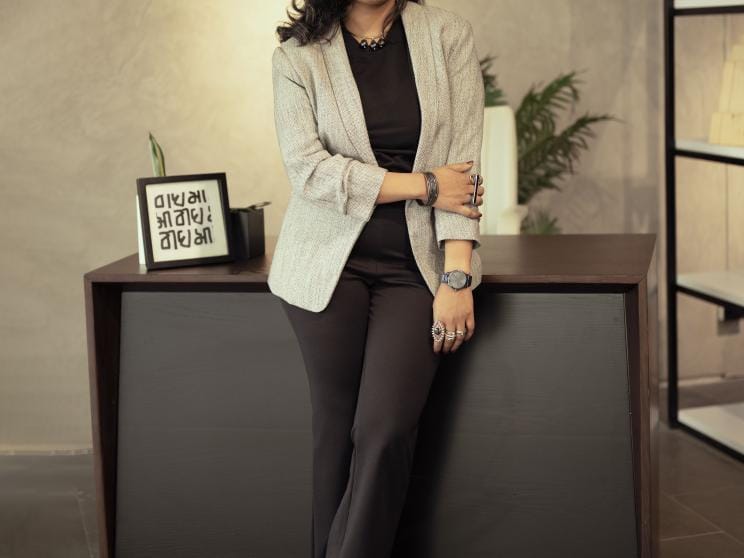
Designing for touch, not display
— Lora Khan
For jewellery designer Lora Khan, furniture is inseparable from experience. Her office rejects the conventional idea of a polished corporate space. Brides walk in with their lehengas. They sit, move, touch, and try on jewellery. The furniture is minimalist, restrained, and within reach. Nothing is over-designed. Lighting is natural, because jewellery should look the same inside as it does outside.
At home, her relationship with space shifts entirely. White, lightweight curtains soften the sunlight. If the space where she rests is unsettled, life becomes harder.
Her advice on making a home intimate is not about spending more. It's about understanding light, colour, and emotional response. Furniture supports that psychology and does not overpower it. A room, she believes, should feel like a sanctuary, a place where stress dissolves upon entry.

Décor as self-portrait
— Zahia Khondoker Aroni
Zahia Khondoker Aroni sees no separation between fashion and home décor. Both, she believes, define who you are.
Her preference for contemporary, minimalist interiors mirrors her personal aesthetic. To some, it may appear understated, even boring. To her, it is honest. Furniture here becomes a form of self-portraiture. It empowers by reflecting personality rather than chasing trends. The restraint is intentional. The calm is chosen.

Clarity in structure
— Shahir Chowdhury
Shahir Chowdhury thinks in systems and his relationship with furniture reflects that mindset. He dislikes noise and his workspace is deliberately calm.
He calls it minimalism with warmth. Clean lines, neutral tones, but never sterile. Furniture, like technology, should be present but almost invisible. When it becomes the focus, it usually means the fundamentals are weak.
In the same way he builds educational systems, removing what is unnecessary and strengthening what compounds, he builds his space to support clarity, fairness, and sustained thinking.
In frame: Rakin Absar, Lora Khan, Zahia Khondoker Aroni, Shahir Chowdhury
Set Design: ISHO Furniture
Comments