


The tragic reality behind the glorification of the ‘tortured artist’
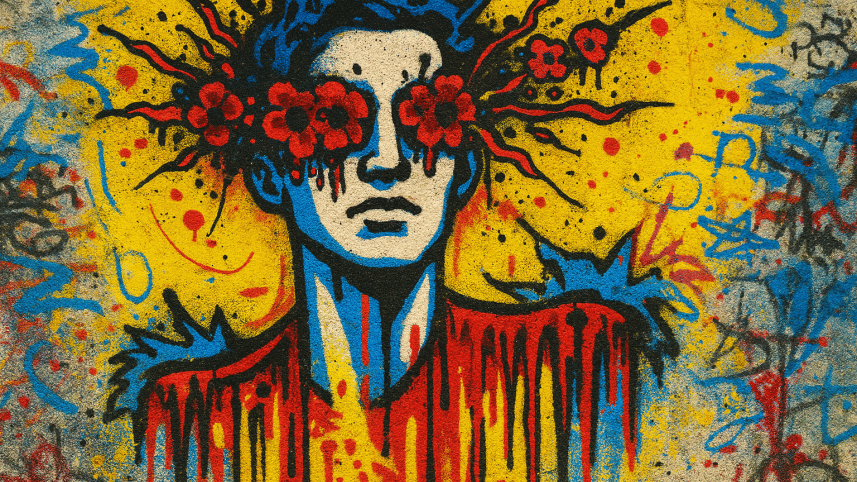
A struggling artist, barely functioning, holds on to reality with his best efforts as he continues to work. And he produces something spectacular. Unfortunately, he is not appreciated while he's alive. After his untimely demise, he becomes a celebrated artist. And everyone sheds a tear or two, whenever talking about his work. People emphasise on how much he had to suffer just so he could create such touching art.
The above paragraph is just a generalised story, but it may seem familiar to you. In fact, you might have watched a movie or two with the same plot. Some of these movies might have been even more morose because of the addition of a romantic interest, in the midst of what is already a sad story. But this is the reality we live in. A reality where artists are not appreciated in their prime, but their disturbed suffering is romanticised later on.
 For all latest news, follow The Daily Star's Google News channel.
 Sometimes, you hear people say "Great things come from suffering," and that is something that I have a lot of questions about. When we say tortured artist and draw an example, one automatically reverts to Vincent van Gogh, and for good reason. As far as the term tortured artist is concerned, not only was he is a tortured artist, some might say he was THE tortured artist before the term even existed.
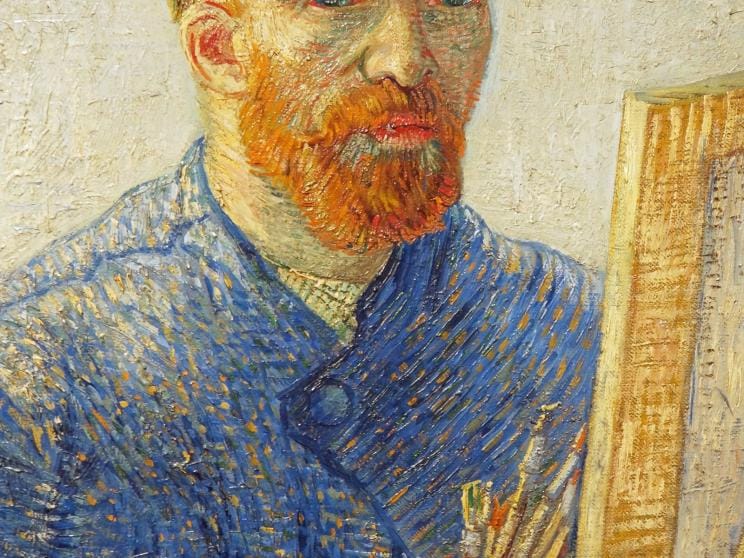
Van Gogh was plagued by mental illness almost the entirety of his adult life. Some of his outbursts depict just how badly he was suffering. From cutting off his own ear to eating paint, Van Gogh is thought to have suffered crippling depression, along with a number of other mental disorders.
To make his suffering worse, he also had a number of physical illnesses that didn't exactly help the situation. In the modern day, when we should be discussing his mental health, we find that his tortured life is glorified.
'Suffering brings great art'— as they say. I have always wanted to be a great writer but I haven't suffered as much as Van Gogh has. Do I just cut off my ear and suffer through it? Will that make me a great writer? Or do I have to suffer heartbreak to add to my reputation as a writer?
"Oh, if I could have worked without this accursed disease — what things I might have done," Vincent van Gogh said in one of his last letters. This single line should be enough to shake everyone in their seat and rethink about the tortured artist trope.
When it comes to the tortured artist discussion, what we have here is a classic case of confusing causation with correlation. Suffering does not cause people to become great artists, but it does bring a certain touch in the artist's work that feels 'real' to others. And this feeling of 'reality' is what causes other people to relate to the artist's work and have a better appreciation for it.
Everybody has to suffer in their life. It is one of the basic elements of life. But that does not mean one should go about and romanticise every little thing that brings one misery.
Leonardo Da Vinci, one of the greatest artists to ever bless this planet, is arguably one of the sharpest minds ever in the field of art and engineering. He, too, had a certain number of challenges, but Da Vinci was not exactly a 'tortured' artist in the traditional sense of the term. Neither was Tagore.
Michael Madhusudan Dutt, on the other hand, was a tortured soul. Some say he died the death of a romantic poet, which might sound very dramatic, but in reality, the circumstances of his death were more tragic than romantic.
Like Ernest Hemingway, Dutt, too, had a problem with alcoholism, and he died a terrible death with a huge amount of debt. Tortured as he was, interestingly Madhusudan's greatest works were produced when he wasn't struggling with his physical and mental health.
There are many such examples. Kurt Cobain, Chris Cornell, Chester Bennington; these are some of the most popular artists of our modern day. Unfortunately, all of them took their own lives. On the surface, they looked happy. They smiled through life, they performed with zest, but when left to their own devices, they just could not live with themselves.
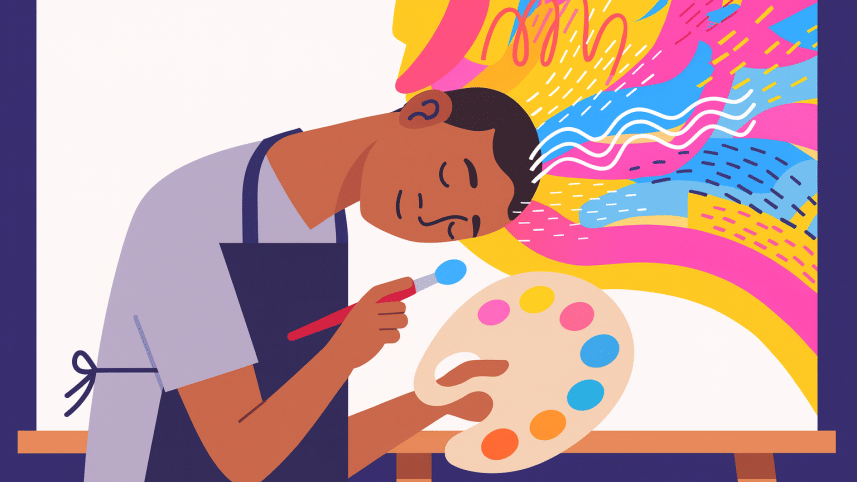
Sometimes, it seems that an artist's work only gets valued if people know that they had to suffer to create it. It may sound harmless, but this also creates the impression amongst younger artists that unless they are suffering, they cannot become great. And this pursuit of grandeur discourages them from seeking the help that just might save their life.
There's a very famous quote that goes like this — "There is nothing to writing. All you do is sit down at a typewriter and bleed." Some say it was from Ernest Hemingway. Others are not so sure. But the point is, while this is indeed a very poetic line, it also gives us a peek into the mind of the artist who said it. It mirrors the kinds of intrusive thoughts that float around their mind, enticing them to do something that will bring about even more suffering.
There are a thousand positive things to glorify, but suffering is not one of them. Glorifying suffering just to put value on art is a kind of injustice to the artist. It undermines the art itself, and the efforts that went into producing it. Instead, it shines on the crooked heels of mental health issues and other societal sufferings.
It is time we addressed the bigger issues and stopped romanticising suffering, because it encourages grief and that is a sadistic trait, something that should never be welcome in society.
Comments