


mental health
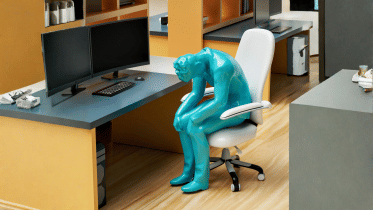
The social pressure and pain behind unemployment in Bangladesh
Confront the harsh reality of unemployment in Bangladesh where social stigma and depression haunt graduates. Rahat Kabir and others navigate the mental health struggles of being 'bekar' while seeking empathy amidst systemic job market challenges.
14 May 2026, 15:48 PM

Stop these daily habits that quietly damage your mental health
Protect mental health by breaking harmful habits like Instagram doomscrolling and overworking. Confronting bottled up emotions and distancing from toxic people fosters emotional resilience. Prioritize quality sleep and self-care to ensure lasting psychological well-being today.
27 April 2026, 17:42 PM
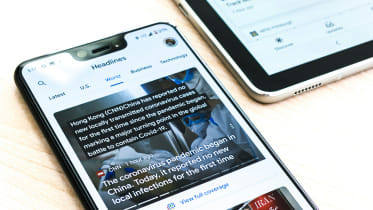
Protect your mental health while staying informed about world events
Navigate global conflict news by setting emotional boundaries and choosing trustworthy sources. Avoid doom scrolling through social media to protect mental health. Practice grounding techniques and support charities to reduce helplessness during periods of uncertainty.
23 April 2026, 17:56 PM
Why society must stop judging people by their body size
Confront body shaming by prioritizing psychological well-being and functional fitness over dangerous trends like OMAD. Tasfia Tamkin Reza and Mohammed Asad advocate for empathy and strength training to foster long-term health and sustainable confidence.
5 April 2026, 16:58 PM
Winter and understanding seasonal depression
Seasonal depression is a type of depressive disorder with a distinct seasonal pattern, often beginning in late autumn or winter and remitting in spring or summer.
7 February 2026, 18:05 PM

Why Maria’s story matters in Bangladesh’s mental health crisis
Empower your journey by following Maria’s transition from Miss Universe Bangladesh to founding Moshal. Overcoming clinical depression in Dhaka, she provides accessible mental healthcare and Diana Award-winning advocacy, proving resilience transforms profound personal struggle into hope.
1 February 2026, 19:01 PM
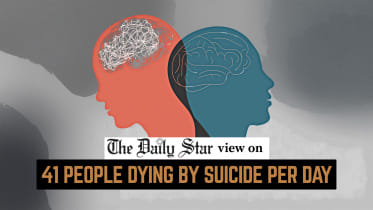
Why are so many dying by suicide?
State, institutions, and communities must step up to address the crisis
30 January 2026, 00:43 AM

Think video games are bad? New research says otherwise
Unlock cognitive growth through strategic gaming while balancing mental health and social development. University of Oxford research indicates that moderated play enhances decision-making and teamwork, proving video games offer valuable benefits beyond simple entertainment.
28 January 2026, 16:12 PM

Why “boys don’t cry” harms emotional growth
Address emotional suppression in Bangladeshi households where toxic masculinity hinders child development. Dr Helal Uddin Ahmed explains how blocking tears triggers aggression and depression, necessitating empathy to foster emotional intelligence and mental health resilience.
18 January 2026, 13:07 PM

Eza Chowdhury explains how yoga supports emotional healing
Embrace holistic healing with Eza Chowdhury, founder of Samadi Wellness in Bangladesh. Transitioning from Canadian finance to yoga, she integrates trauma-informed breathwork and meditation, proving mindfulness fosters emotional resilience and spiritual growth beyond physical fitness.
15 January 2026, 19:26 PM

Bangladesh’s first interactive mental health book launched
The book features 15 chapters covering essential topics such as attachment styles, love languages, and shadow work.
15 January 2026, 13:43 PM
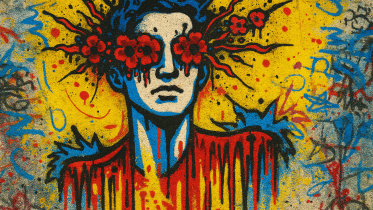
The tragic reality behind the glorification of the ‘tortured artist’
The tortured artist myth wrongly glorifies suffering as creative fuel, ignoring mental health realities. True creativity thrives without misery, and romanticising pain harms artists by discouraging help, misguiding young creators, and overshadowing genuine talent today
4 December 2025, 09:55 AM

The places we go when we want to disappear
Escapism is one of the most ordinary forms of survival we’ve invented.
19 November 2025, 02:00 AM

Why guy trips with friends matter more than people realise
The writer reflects on how spontaneous, stress free trips with male friends offer emotional release, honest conversations, and healing, proving such getaways can be therapeutic and transformative, beyond movie inspiration, especially during difficult personal times.
18 November 2025, 09:51 AM

Still human, somehow, but is that enough?
Are you literally unaware of this illusion consistently holding you captive?
11 November 2025, 08:00 AM
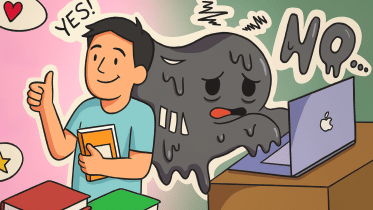
Can being too nice weaken your body’s defences?
Chronic people-pleasing triggers persistent stress, causing immune system dysregulation and inflammation. This may increase autoimmune disease risk over time. Prioritising self-care and reducing chronic stress supports immune health and reduces long-term biological harm.
23 October 2025, 10:49 AM
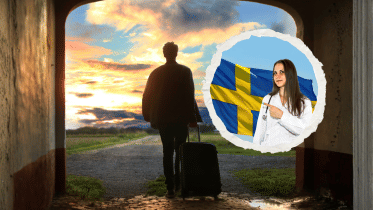
Why is Sweden prescribing holidays for health?
Sweden’s groundbreaking Prescription initiative allows doctors to prescribe travel as therapy, promoting recovery through nature, rest, and exploration. Rooted in friluftsliv, it redefines wellness tourism as healthcare, combating burnout through environmental and cultural well-being.
22 October 2025, 10:13 AM

How social media is distorting empathy and our mental health
Social media’s pop psychology fuels self-diagnosis and performative empathy, distorting genuine compassion. Counsellor Mariyam Sultana highlights class, culture, and privilege shaping empathy in Bangladesh, urging self-awareness, authentic connection, and mindful action beyond online validation for genuine emotional understanding and societal well-being.
18 October 2025, 08:30 AM

How digital life is killing our love for reading
Reading for pleasure is in steep decline, replaced by short-form digital content and nonstop screen time. This shift affects attention spans and cognitive health. Reviving reading habits can help prevent brain fog and long-term cognitive decline.
16 October 2025, 11:29 AM
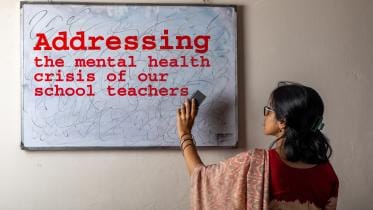
Addressing the mental health crisis of our school teachers
The mental health of school teachers remains one of the most pressing yet less discussed issues in our society.
5 October 2025, 04:30 AM