


CPAP therapy offers hope for people with diabetes and sleep apnoea
People with type 2 diabetes (T2D) who also have obstructive sleep apnoea (OSA) face serious health risks, including higher chances of heart problems, stroke, and premature death. A new study presented at the European Association for the Study of Diabetes (EASD) suggests that treating sleep apnoea with CPAP (continuous positive airway pressure) could significantly improve survival in these individuals.
Obstructive sleep apnoea occurs when the airway repeatedly collapses during sleep, causing the person to briefly wake up to breathe. This leads to disrupted sleep and lower oxygen levels, which can affect the heart, brain, and metabolism. Many people with T2D may also suffer from undiagnosed OSA, meaning they may not realise the additional health risks the condition brings.
 For all latest news, follow The Daily Star's Google News channel.
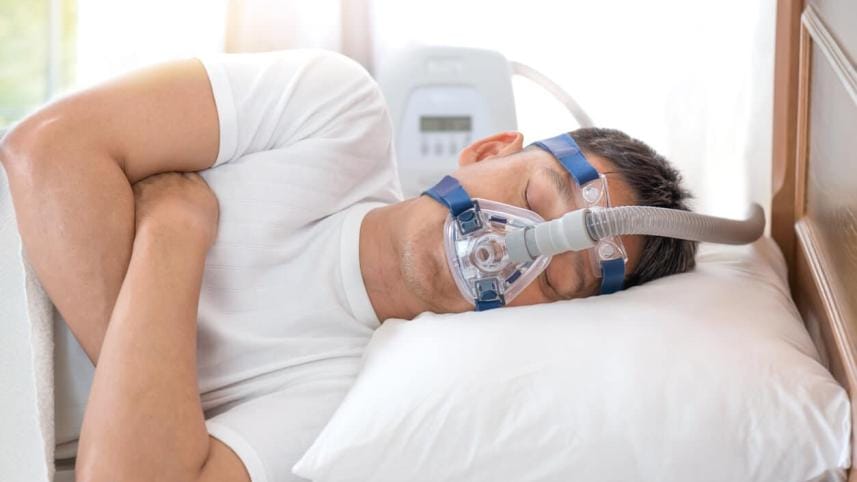
 When left untreated, sleep apnoea can worsen diabetes and increase the likelihood of complications. CPAP machines work by delivering pressurised air through a mask, helping keep the airway open during sleep and ensuring the body gets proper rest and oxygen.
The study reveals that using CPAP can reduce the risk of severe health problems and death in people with both T2D and OSA. While prior research has often focused on short-term effects, this new study sheds light on the long-term benefits of treating sleep apnoea as a part of diabetes care. This means that by addressing sleep apnoea, people with T2D can see improvements in both their overall health and life expectancy.
Experts emphasise that sleep health is intrinsically linked to overall health, especially for people with chronic conditions like diabetes. Treating OSA is not just about improving sleep quality; it may also protect heart health, improve metabolism, and help reduce the risks of cardiovascular disease and other diabetes-related complications. By improving sleep quality through treatments like CPAP, people with T2D can experience better control over their condition and potentially lower the risk of developing severe complications.
The findings also highlight the importance of early diagnosis and screening for sleep apnoea in individuals with diabetes. Many people with T2D may not be aware they also suffer from OSA, making it essential for doctors and patients to recognise and address this connection. Simple, effective treatments like CPAP, when paired with good diabetes management and lifestyle changes, can make a meaningful difference in quality of life and long-term survival.
In conclusion, this research underscores the value of holistic diabetes treatment. Addressing sleep apnoea not only improves sleep but also enhances heart health, metabolism, and overall well-being. With better screening, early detection, and treatment options like CPAP, people living with both T2D and OSA can look forward to improved health outcomes and an overall better quality of life.
Comments