


‘Sultana’s Dream’ to hit Bangladeshi theatres this month
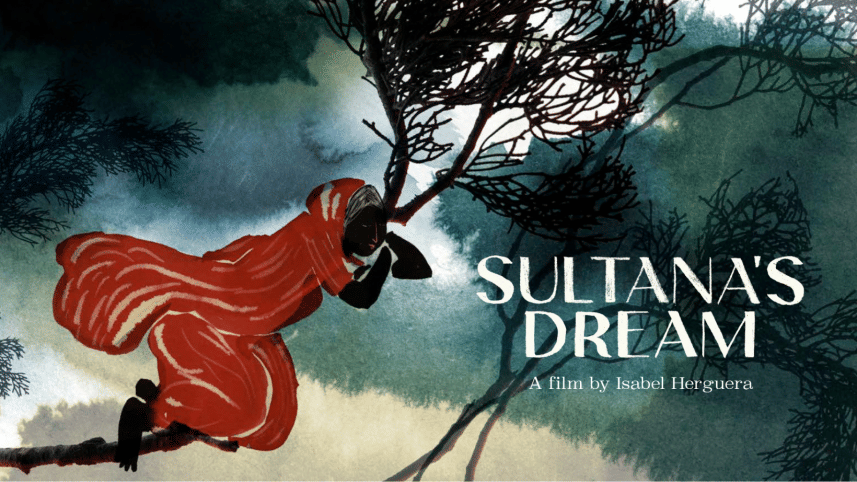
An animated feature inspired by Begum Rokeya's pioneering feminist novella "Sultana's Dream" is set to be released in cinemas across Bangladesh this month.
Directed by Spanish filmmaker Isabel Herguera, the 86-minute film premiered in 2023 at the San Sebastián International Film Festival and was later released theatrically in Spain. Since then, "Sultana's Dream" has travelled widely, screening at major international festivals including the European Film Festival, Goa Festival, Filmfest Hamburg and the Leeds International Film Festival, where it also picked up awards.
 For all latest news, follow The Daily Star's Google News channel.
 The Bangladesh release was announced on Wednesday when Star Cineplex shared the film's official trailer on social media. While no exact release date has been confirmed, the exhibitor has indicated that the animated feature is likely to open in theatres later this month.

Herguera's journey with "Sultana's Dream" began more than a decade ago. Around 2012, while visiting India to work on a short film, the director stumbled upon Begum Rokeya's book in an art gallery in Delhi. The cover—featuring a woman piloting a spacecraft—immediately caught her attention. Reading the text left a deeper impression.
Written over a century ago, Begum Rokeya's "Sultana's Dream" imagines a society where women occupy public, scientific and administrative roles, while men remain confined to domestic life. For Herguera, the text felt strikingly contemporary. She decided to adapt it for the screen and began what would become an eight-year period of research and development.
The result is an animated film that translates Rokeya's radical vision into a layered visual language. The film reflects the author's dream of women rising against patriarchal dominance and claiming agency in a deeply unequal society—an idea that remains relevant long after it was first imagined.
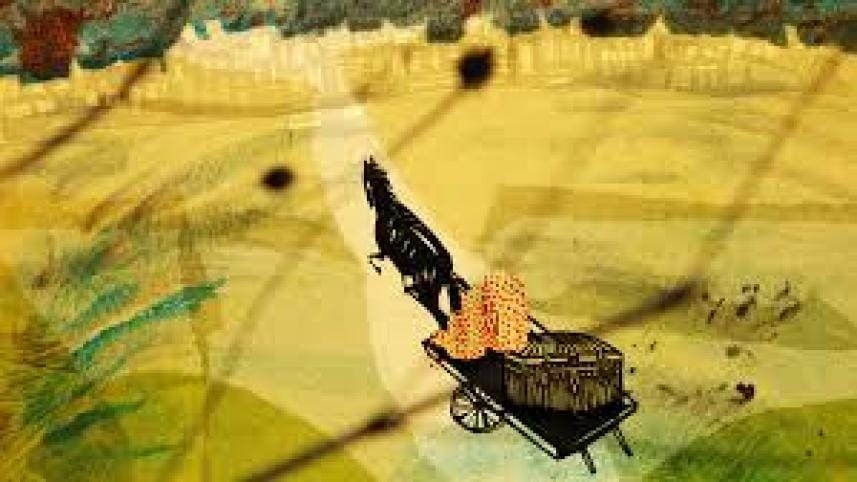
"Sultana's Dream" is a Spanish-German co-production, backed by five production companies from the two countries. The film weaves together six languages—Bangla, English, Hindi, Italian, Spanish and Basque—underscoring its cross-cultural ambition.
The soundtrack includes a song written by Bengali singer-songwriter Moushumi Bhowmik, composed by Tajdar Junaid and sung by Deepanwita Acharya.
In December last year, Isabel Herguera visited Bangladesh, where she travelled to Pairaband, Begum Rokeya's birthplace. She also took part in a seminar titled "My Encounter with Rokeya" at the Liberation War Museum in Agargaon, Dhaka, sharing insights into the creative and intellectual process behind the film.

Reflecting on Rokeya's legacy, Herguera said, "Begum Rokeya imagined a reversal of traditional gender roles more than 100 years ago. In her story, women work outside while men manage the household. Today, this may sound simple, but in her time, it was a deeply revolutionary idea. What fascinated me most was that she had no formal education, yet could imagine such a bold future. That, to me, was extraordinary. 'Sultana's Dream' continues to quietly guide feminist thought even today."
With its imminent theatrical release, "Sultana's Dream" is poised to introduce Bangladeshi audiences to a global cinematic interpretation of one of the subcontinent's earliest feminist texts—bringing Begum Rokeya's radical imagination back home, this time on the big screen.
Comments