


Mohammad Bakri, voice of Palestinian cinema, dies at 72

Acclaimed Palestinian actor and filmmaker Mohammad Bakri has died at the age of 72, ending a five-decade career that placed him at the heart of Palestinian cultural resistance and cinema.
Bakri died on Wednesday at the Galilee Medical Centre in Nahariya after suffering from heart and lung complications, hospital officials confirmed.
 For all latest news, follow The Daily Star's Google News channel.
His death marks the loss of a towering artistic figure whose work persistently challenged dominant Israeli narratives and whose long legal battles over censorship became emblematic of the wider struggle for Palestinian storytelling.
Bakri was best known for his 2002 documentary "Jenin, Jenin", which recorded testimonies from residents of the Jenin refugee camp following an Israeli military operation that killed 52 Palestinians. The film ignited fierce controversy in Israel while cementing Bakri's status as one of the most uncompromising voices in Palestinian cinema.

Israeli authorities banned the documentary in 2021, a decision upheld by the Supreme Court the following year, which ruled the film defamatory. Five Israeli soldiers later sued Bakri, resulting in heavy financial penalties and court orders to seize copies and remove the film from online platforms.
"I intend to appeal the verdict because it is unfair, it is neutering my truth," Bakri told the Walla News website at the time.
Speaking to the British Film Institute earlier this year, he reflected on the cost of his work: "I don't see Israel as my enemy … but they consider me their enemy. They see me as a traitor … for making a movie."
Born in 1953 in the Galilee village of Bi'ina, Bakri was a Palestinian citizen of Israel. He studied Arabic literature and theatre at Tel Aviv University before making his film debut at 30 in Costa-Gavras's "Hanna K", portraying a Palestinian refugee seeking to reclaim his family home.
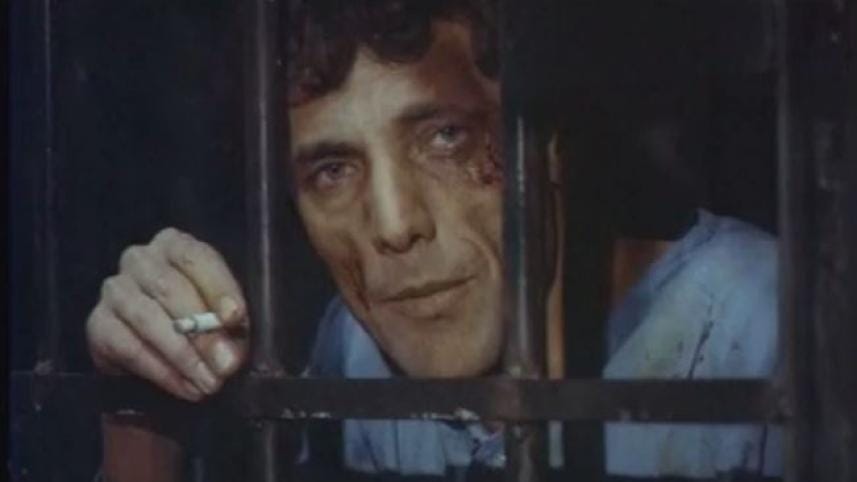
International recognition followed with his role as a Palestinian prisoner in the 1984 Israeli film "Beyond the Walls", which received an Academy Award nomination.

Yet it was Bakri's commitment to narrating Palestinian experience—under occupation and within Israel—that defined his career. He appeared in more than 40 films and directed several documentaries focused on displacement, memory and resistance.
His solo stage performance of "The Pessoptimist", adapted from Emile Habibi's novel on Palestinian identity, was performed over 1,500 times worldwide, securing his status as a cultural icon across generations.
Bakri is survived by his wife Leila and six children, including actors Saleh, Ziad and Adam. His funeral was held the same day in his hometown of Bi'ina.
Comments