


Do we still care about cinematic universes?

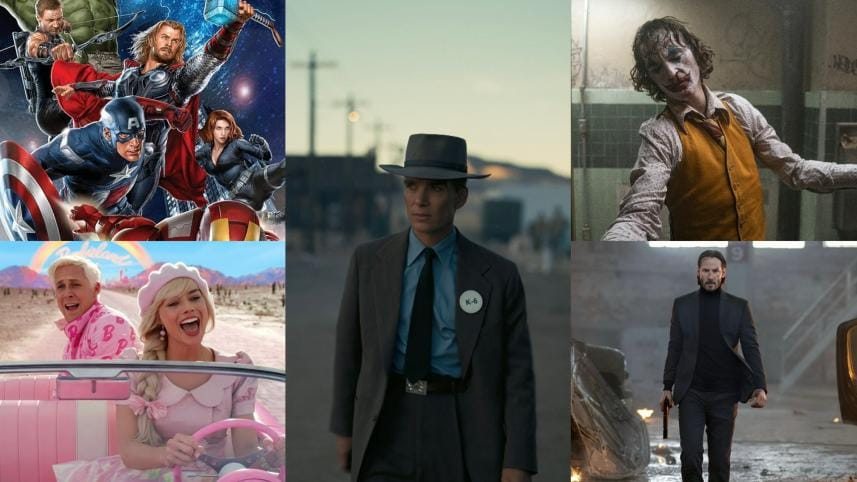
For over a decade, cinematic universes trained audiences to think in timelines, phases, and post-credit scenes. Films evolved into chapters, chapters evolved into phases, and phases evolved into cultural calendars. Watching a movie stopped being about a single story and started feeling like homework with a very expensive visual budget. In 2026, that structure looks different—driven by audience behaviour, financial realities, creative priorities, and measurable performance data across film and streaming.
The Marvel Cinematic Universe remains the gold standard for how it all started. From "Iron Man" in 2008 to "Avengers: Endgame" in 2019, Marvel proved that long-term storytelling could feel rewarding rather than exhausting. "Endgame", which earned over USD 2.7 billion worldwide, was the result of years of emotional investment. People showed up because characters mattered. Tony Stark's arc, Steve Rogers' choices, and the friendships built across films gave weight to the spectacle.
 For all latest news, follow The Daily Star's Google News channel.
 Hollywood learned the lesson fast—perhaps too fast. Studios chased the structure without always understanding the pacing. Warner Bros expanded the DC universe through films such as "Batman v Superman", "Justice League", and "Aquaman". Sony built Spider-Man-adjacent worlds with "Venom" and later "Morbius". Universal even attempted to launch a shared monster universe beginning with "The Mummy" in 2017.
Audience response began shifting quietly. Viewers still loved familiar characters, yet patience grew thinner for stories that felt like stepping stones rather than destinations. In the early 2020s, Nielsen streaming data began showing stronger completion rates for limited series and self-contained stories. Shows such as "Chernobyl", "Mare of Easttown", and "The Queen's Gambit" dominated conversation without asking viewers to commit to years of lore.
Films followed a similar pattern. "Joker" crossed USD 1 billion worldwide while standing firmly on its own. "Everything Everywhere All at Once" became A24's biggest success through a single, emotionally packed story. "Barbie" and "Oppenheimer" turned summer 2023 into a cultural moment without relying on future instalments.
Streaming platforms accelerated this shift. Netflix executives repeatedly highlighted completion rates during earnings calls, noting that audiences gravitated toward series with clear arcs. HBO leaned into limited formats and anthology styles with "The White Lotus", where each season delivered a complete experience while maintaining a recognisable tone. Disney+ saw similar success with "Andor", a Star Wars series widely praised for its grounded storytelling and measured pacing.
Money played its part as well. Maintaining large universes costs more than producing flashy visuals. Talent contracts, overlapping schedules, visual effects pipelines, and marketing campaigns add up quickly. Disney's public investor communications in 2024 emphasised a tighter release strategy, while Warner Bros Discovery echoed similar sentiments during restructuring announcements. Fewer projects with stronger identities began to sound more sustainable than constant expansion.
In 2026, this recalibration is evident in studio slates. Marvel's upcoming projects place greater emphasis on character appeal rather than universe mechanics. "Deadpool & Wolverine" leans heavily on personality, humour, and chemistry—elements that work even for casual viewers. Star Wars has followed a comparable approach by allowing creators room to tell focused stories instead of forcing everything into a single timeline.
Audience behaviour supports this shift. Parrot Analytics consistently reports that demand correlates closely with character connection. Viewers return for stories that offer emotional payoff within the moment. Binge culture has trained audiences to expect quicker resolution, while weekly-release models such as "Succession" and "The Last of Us" have demonstrated that anticipation can coexist with narrative discipline.
Event films have also reclaimed cultural space. Christopher Nolan's partnership with Universal reaffirmed the value of theatrical experience and standalone storytelling. "Barbie" succeeded as a singular cultural phenomenon driven by tone, humour, and design. Studios increasingly view event films as moments rather than milestones within a franchise roadmap.
Audience fragmentation has further reshaped expectations. Viewers gravitate towards genres, tones, and creators aligned with personal taste. Franchises such as "John Wick" thrived by keeping their worlds tight and their rules clear—an approach Lionsgate has frequently credited for sustained success. Consistency has proven more valuable than unchecked expansion.
Creative voices have also gained greater influence within shared worlds. Projects like "Logan" and "Andor" demonstrated how strong, author-driven storytelling can elevate familiar universes. Critics and audiences alike praised these works for treating characters as people rather than pieces on a board.
Today, cinematic universes resemble curated ecosystems rather than endless machines. Shared connections feel like bonuses instead of requirements. Audiences engage where interest sparks and step away without pressure. Studios benefit from clearer marketing, stronger engagement, and stories that stand confidently on their own.
Entertainment now values presence as much as promise. Early universes thrived on anticipation stretched across years. Contemporary audiences prefer stories that deliver meaning in the present. Closure feels refreshing in an era of content overload. Cinematic universes continue to evolve with this understanding. Success increasingly depends on balance, intention, and respect for attention.
As 2026 unfolds, the lesson appears straightforward: audiences show up for stories that feel complete, memorable, and worth their time.
Comments