


The colours of democracy: Cartoonists talk freedom, pressure, intimidation
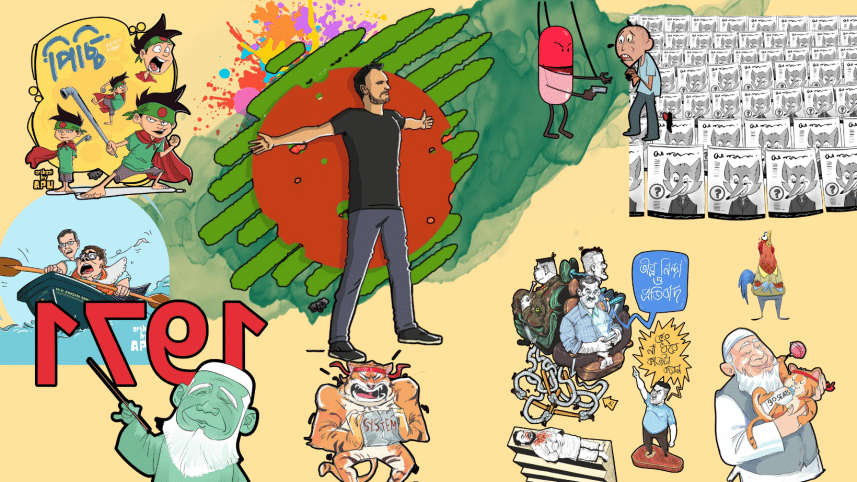
During the July Uprising, cartoonists played a vital role in revealing the true faces of authoritarianism. Under the oppressive regime, many were jailed under the controversial Digital Security Act. Despite these threats, cartoonists continued to speak out, using their art to expose corruption, absurdity, and injustice. Their caricatures became a powerful tool, cutting through fear and censorship to reveal truths that words alone often could not.
Yet, even after the movement, political cartooning remains limited, especially during elections. Some cartoons now appear more as tools of self-promotion for specific parties rather than critiques of the system. With so much political drama unfolding, one question persists: why is there so little interest among cartoonists in tackling election-related issues through their art?
 For all latest news, follow The Daily Star's Google News channel.
 To find out, we spoke with four cartoonists to understand their passion for political cartoons and what keeps them committed to this challenging field, despite the uncertainties.
In many countries, political leaders speak in measured and diplomatic tones, and cartoonists build their satire from what lies beneath those carefully chosen words—interpreting hidden meanings and exposing contradictions through layered commentary. When leaders are more direct, the work often becomes easier and more immediate. In Bangladesh, however, the space remains more constrained. The boundaries of what can be said—and how it can be said—continue to shape both the tone and volume of political satire.
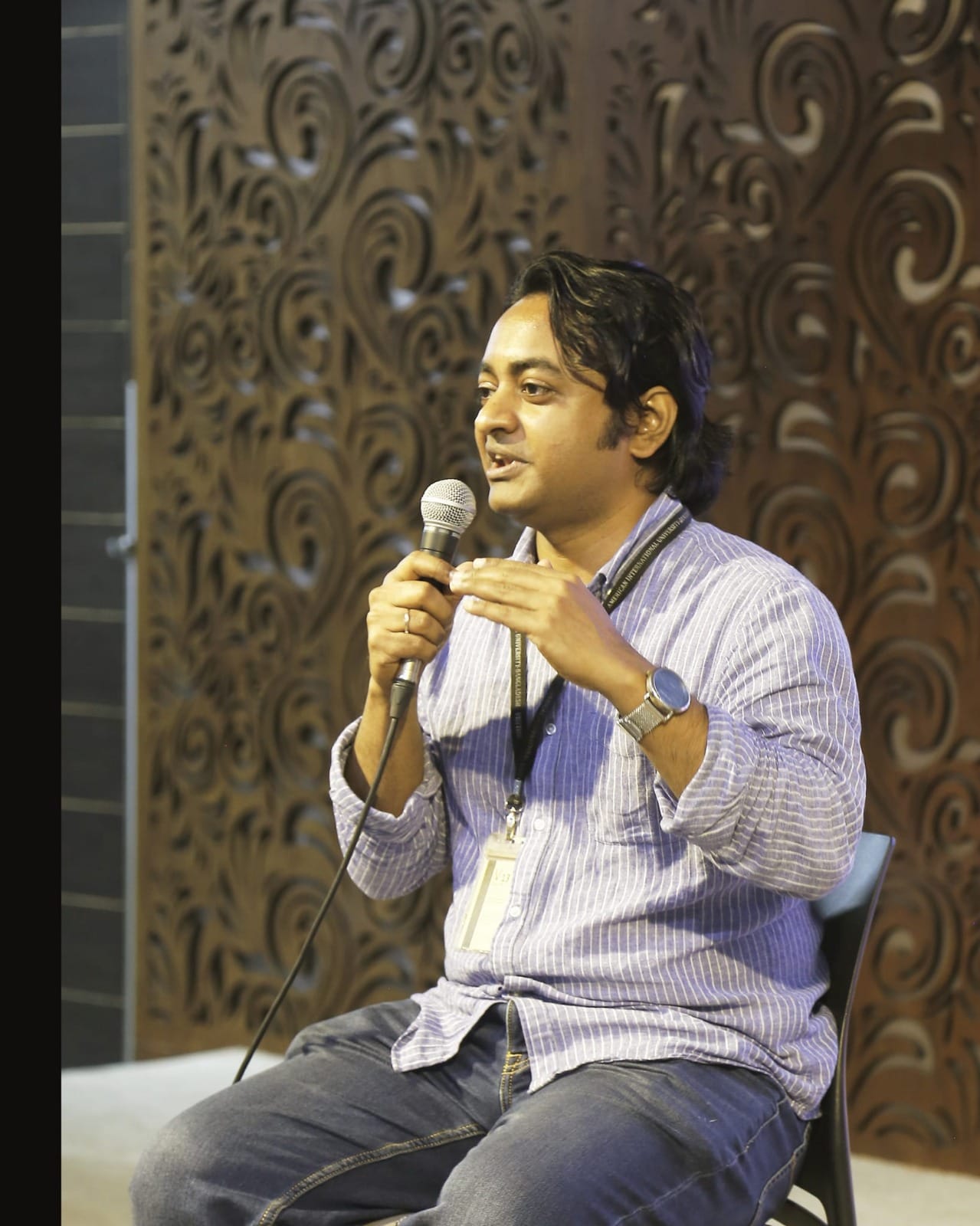
Mehedi Haque, Senior Cartoonist at The Daily New Age and Executive Editor of UNMAD, spoke candidly about the risks today.
“It is more risky now. Some parties that never imagined coming this close to power are desperate to win this most profitable game. They will do whatever it takes, and history shows they do not play by the rules. This is why it is becoming more serious. Many of these leaders are not culturally literate and have little understanding of satire. As a result, their reactions are vulgar. I have been drawing political cartoons for more than 25 years, and this is the most challenging period I have faced, especially when you are working almost alone for a long time.”
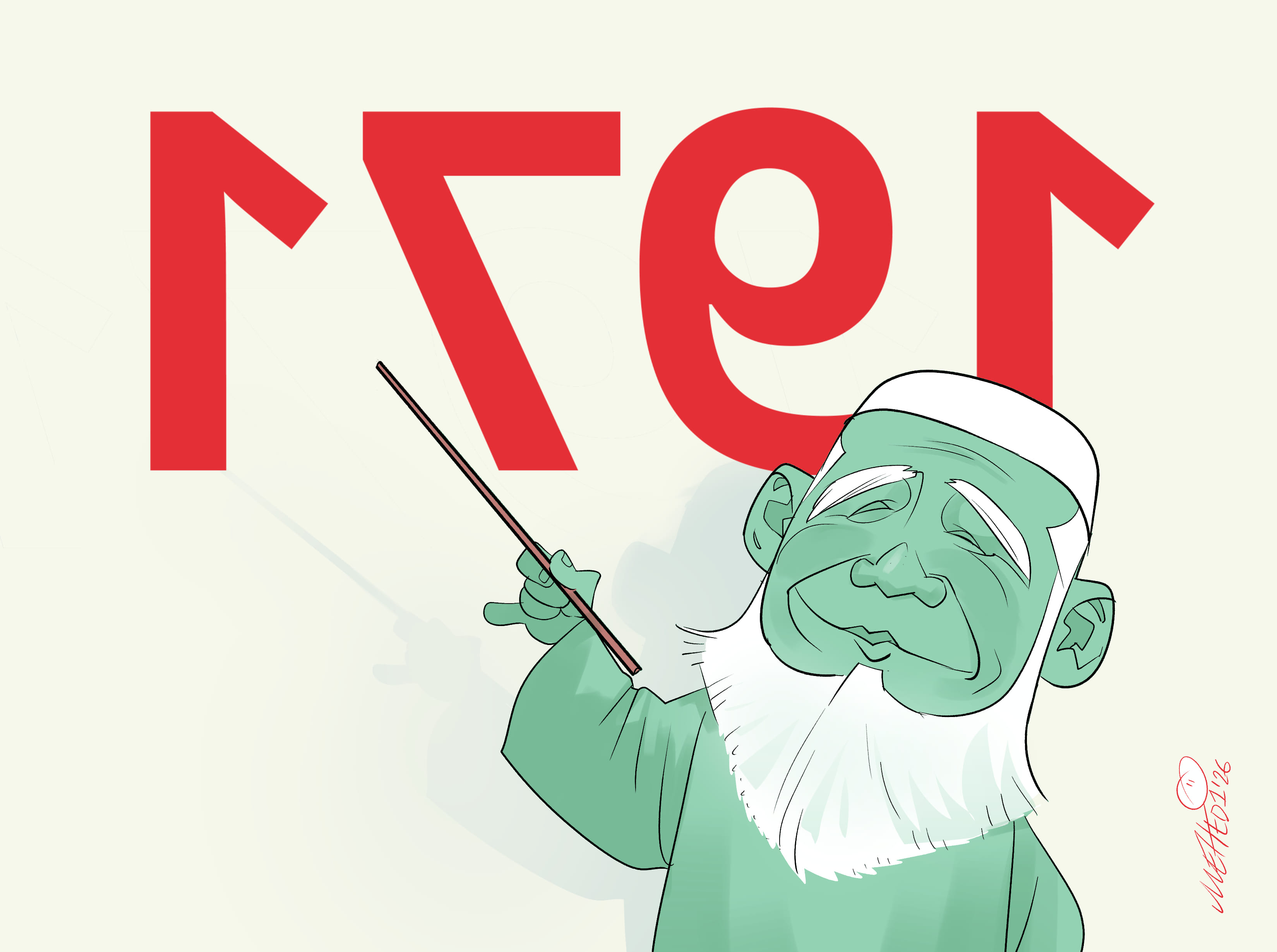
His words reflect a broader reality: political cartooning in Bangladesh is no longer just an artistic practice. It is an act of public accountability—one that demands courage, restraint, and a constant negotiation between expression and safety.
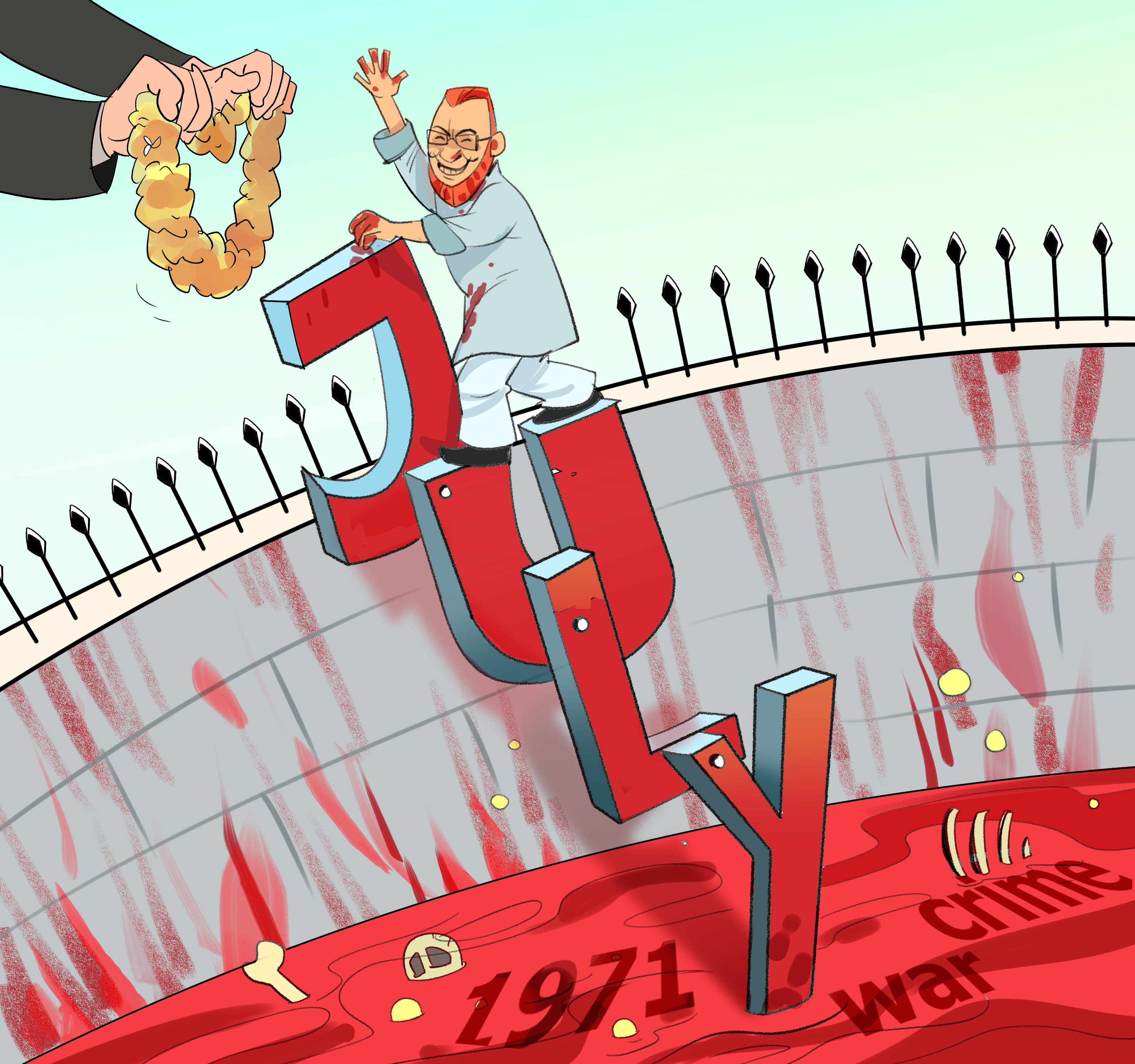
“My newspaper house often receives legal notices or direct phone calls regarding my cartoons. But that does not influence either my newspaper or me. We do what we believe is right. Other pressures have many faces. For example, my friends and family are always scared thinking of the potential danger that could take place because of my profession, and paid commenters continuously try their best to humiliate me on social media. But I rarely read those,” Mehedi added.
For many cartoonists, the challenges extend beyond legal risks to a broader culture of pressure, surveillance, and public hostility.
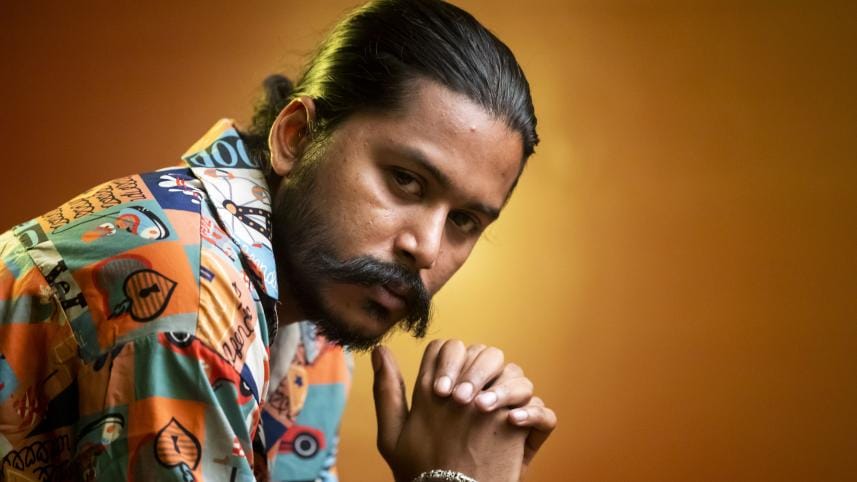
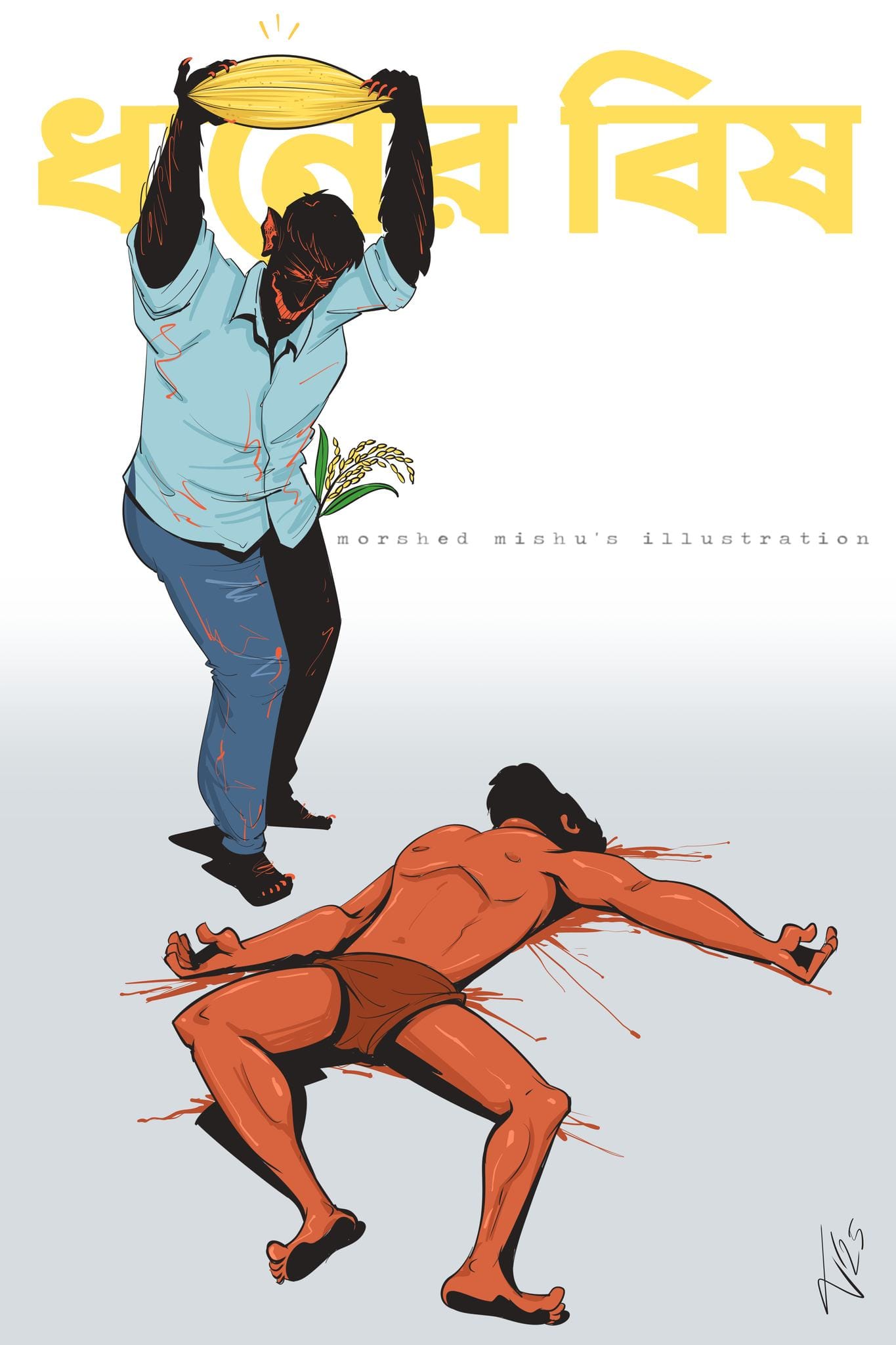
Morshed Mishu, Cartoonist and Assistant Editor at UNMAD, described a different dilemma—creative exhaustion shaped by political reality itself. “I tried to recall the last time I drew a political cartoon. I think it was after the attack on Nur. Since then, I have not drawn any cartoon related to the current election. Their statements and actions already appear so caricature-like that I feel there is little left for me to portray. Political cartoons usually work in multiple layers—different angles, perspectives, subtle commentary—but here everything is already so literal.”
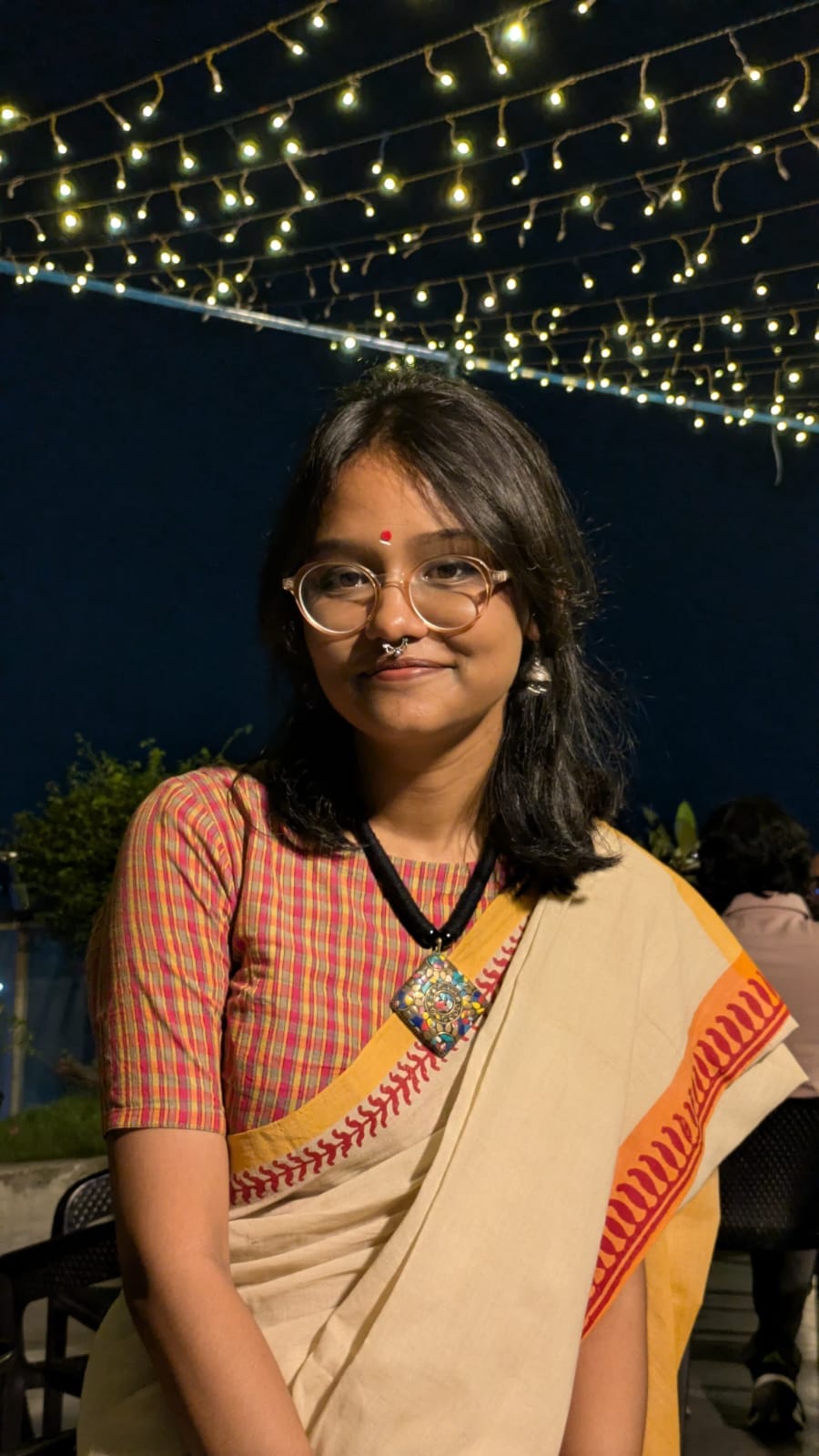
Natasha Jahan, artist at The Business Standard, spoke of emotional fatigue. “Honestly, I would say I’ve lost hope. I myself am no longer the same as before. The atmosphere is really disappointing. Those I once thought differently of, whom I respected, everyone has changed. Now, who should I hold accountable? Who should I blame? I think it’s our fault—we trusted the wrong people. But even so, I try not to be completely self-driven. Little by little, I try. But the way I imagined things would happen, that’s not happening. I thought cartoons would grow, but that is no longer the case. We can’t find that kind of atmosphere anymore.”
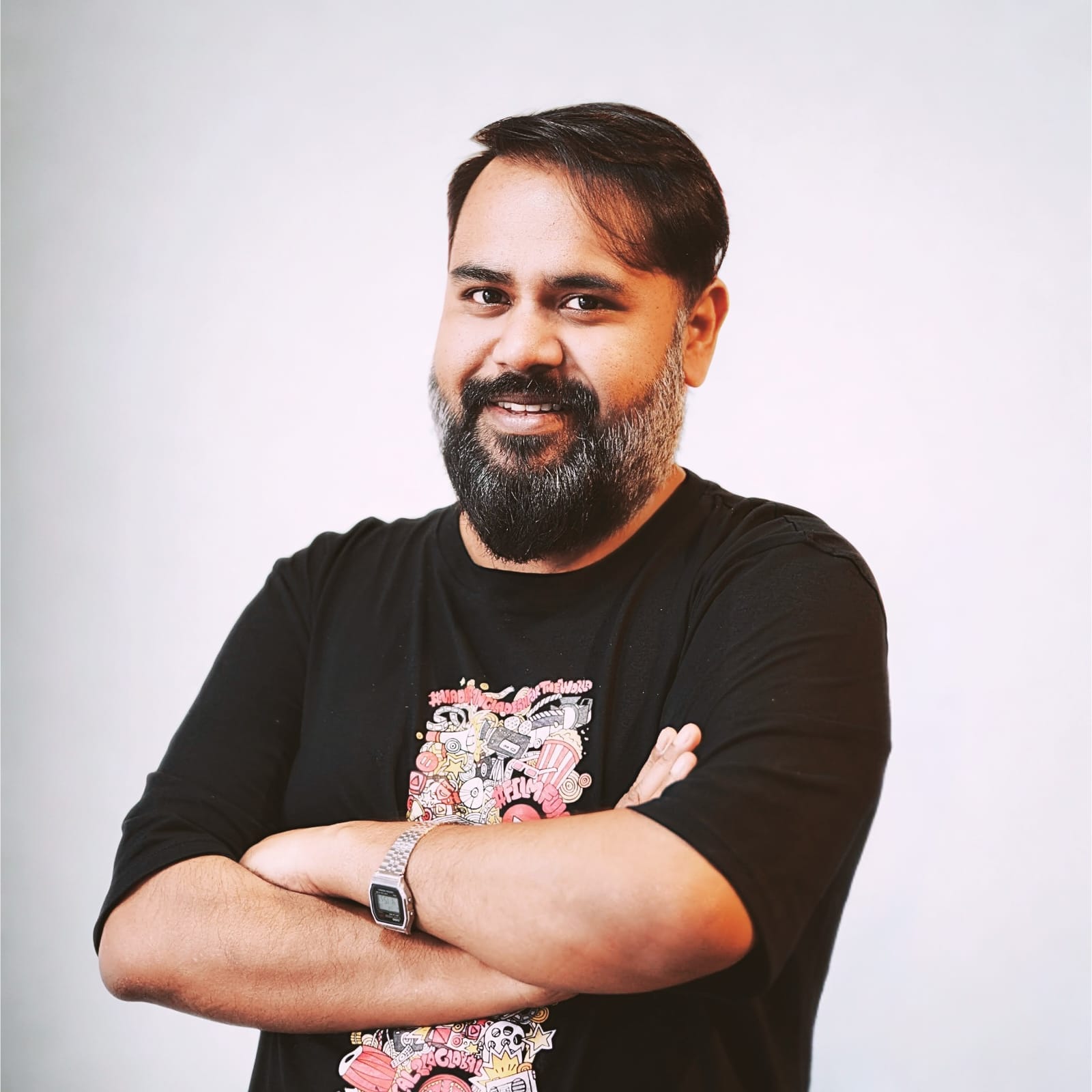
Zahidul Haque Apu, Freelance Cartoonist and Senior Manager of Content at Hoichoi Bangladesh, pointed to another structural challenge. “Usually, I don’t draw political cartoons regularly or professionally. Perhaps some cartoonists lost interest because their contributions weren’t recognized. Artists, whether political or non-political, expect some acknowledgment, like a musician or a writer does. When that’s missing, motivation drops. That’s why participation by political cartoonists in this election seems low, even though we have many talented cartoonists producing excellent work.”
Beyond motivation and recognition, political cartoonists in Bangladesh continue to operate within a landscape shaped by risk—legal, social, and personal. Natasha Jahan noted how criticism often turns personal.
“When I draw personally, posting from my own profile, I’ve often been a target of mockery—remarks about my appearance or how I comment on certain leaders. But when I draw for newspapers, the criticism is professional. Nowadays, both male and female cartoonists face similar experiences. As soon as you draw a cartoon, attacks come.”
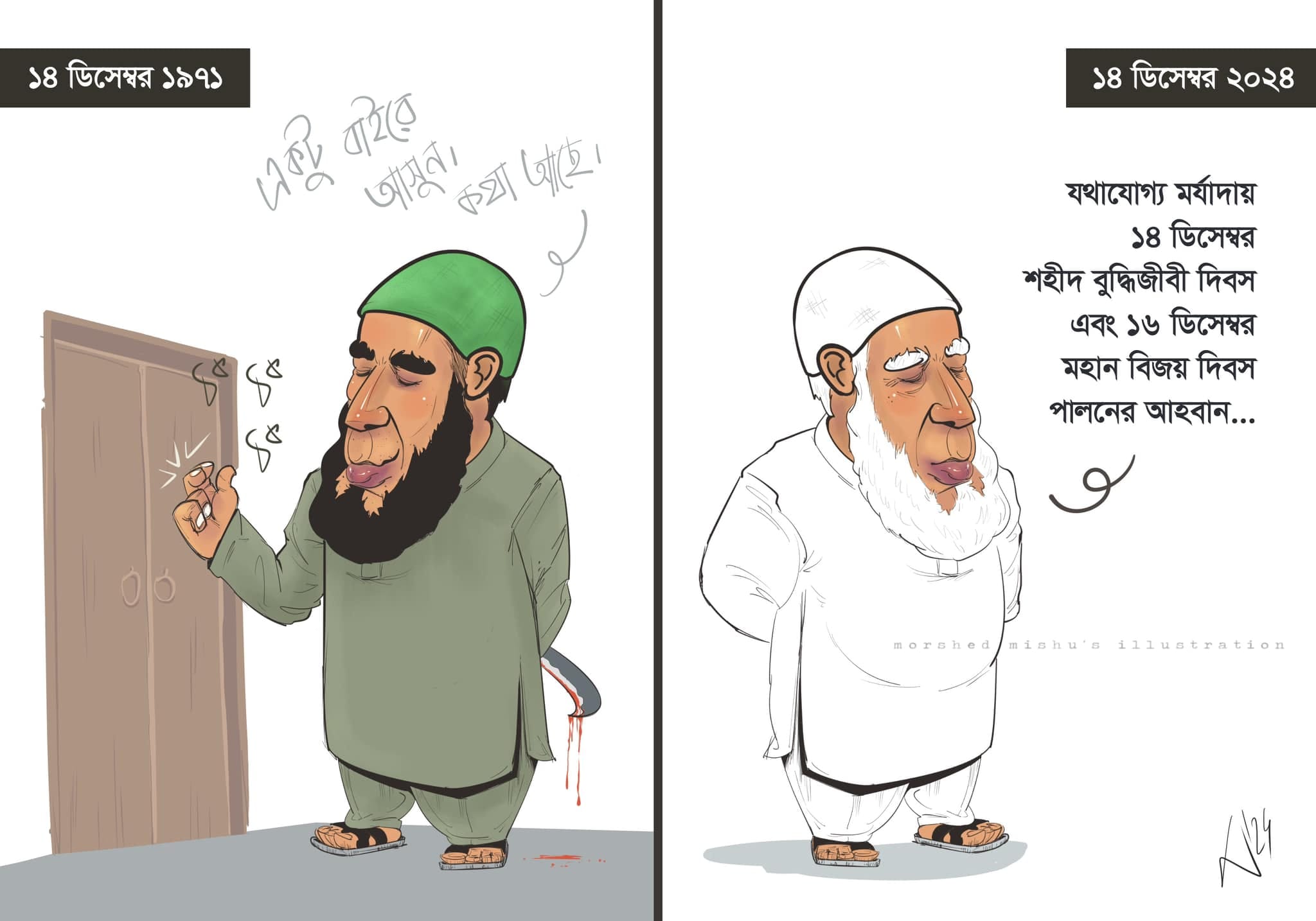
Morshed Mishu described the constant labeling that follows political critique.
“When I drew cartoons about the interim government, I was labeled a fascist collaborator. Criticize BNP, I’m pro-Jamaat. Criticize Jamaat, suddenly I’m anti-Islam or pro-India. But I am a political cartoonist. I naturally try to poke at events from multiple angles. Sometimes I critique directly, sometimes I present alternative perspectives through the characters.”
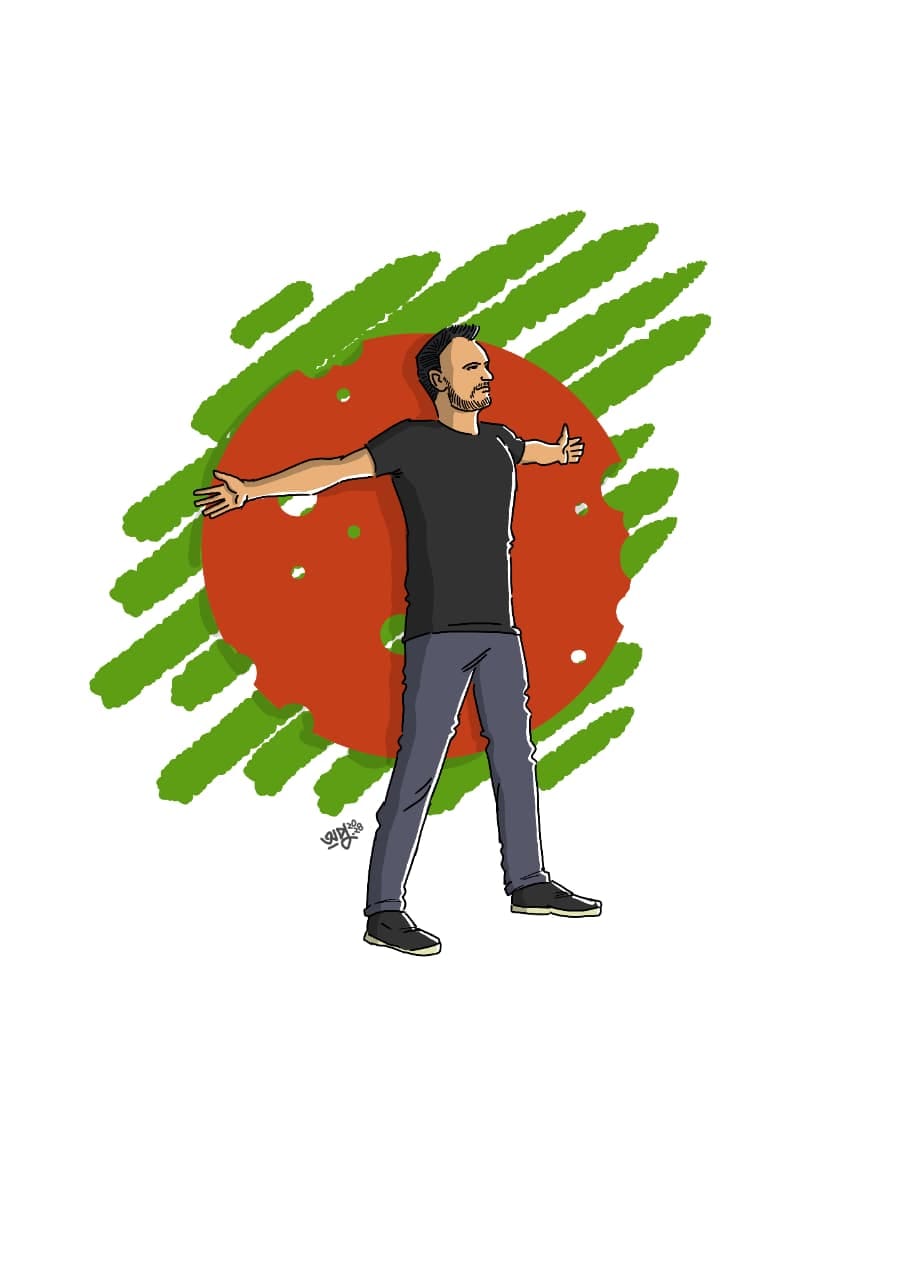
Even indirect pressure can be enough to shape artistic choices.
“The issues rarely come directly—they mostly come indirectly. For example, when I drew a picture of Abu Sayed after he passed away, I received polite calls asking why I drew it and suggesting I take it down. Sometimes there’s a hint of threat, but the source is unclear. Most of the time, the main political leaders weren’t seriously concerned, but a small group of people might push things forward.”
Despite these constraints, each artist spoke of works that remain deeply personal—moments when their drawings captured their emotions and the political mood of the time.
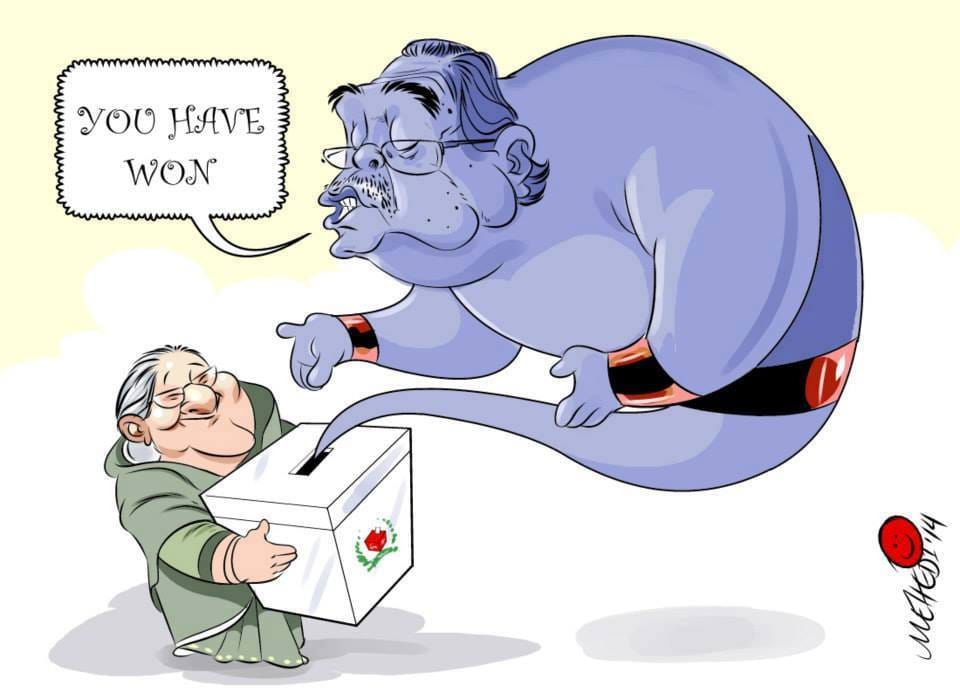
“There are so many, but since we are talking about election cartoons, I will mention the one I did in 2014, right after the Awami League’s victory. In that cartoon, the ballot box was shown as Aladdin’s lamp, and the Chief Election Commissioner was coming out of it like a genie, announcing the victory,” said Mehedi.
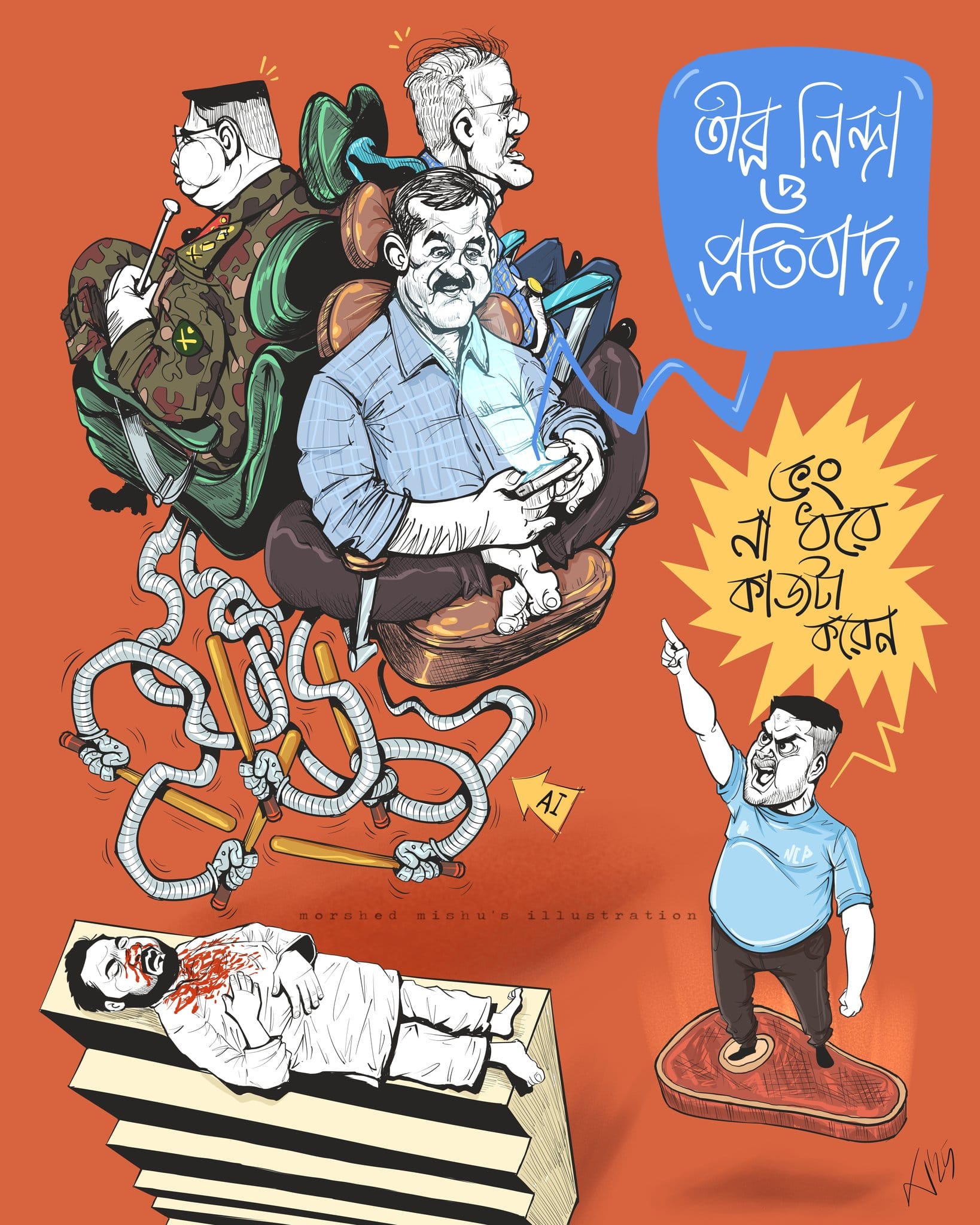
For Morshed Mishu, three works stand out. “These three cartoons best depict how I have spoken against the atrocities of different forces. One was based on the attack on Nur… Another was based on the Jamaat Ameer’s December 14 statement… And the third one was a cartoon related to the BNP extortion issue.”
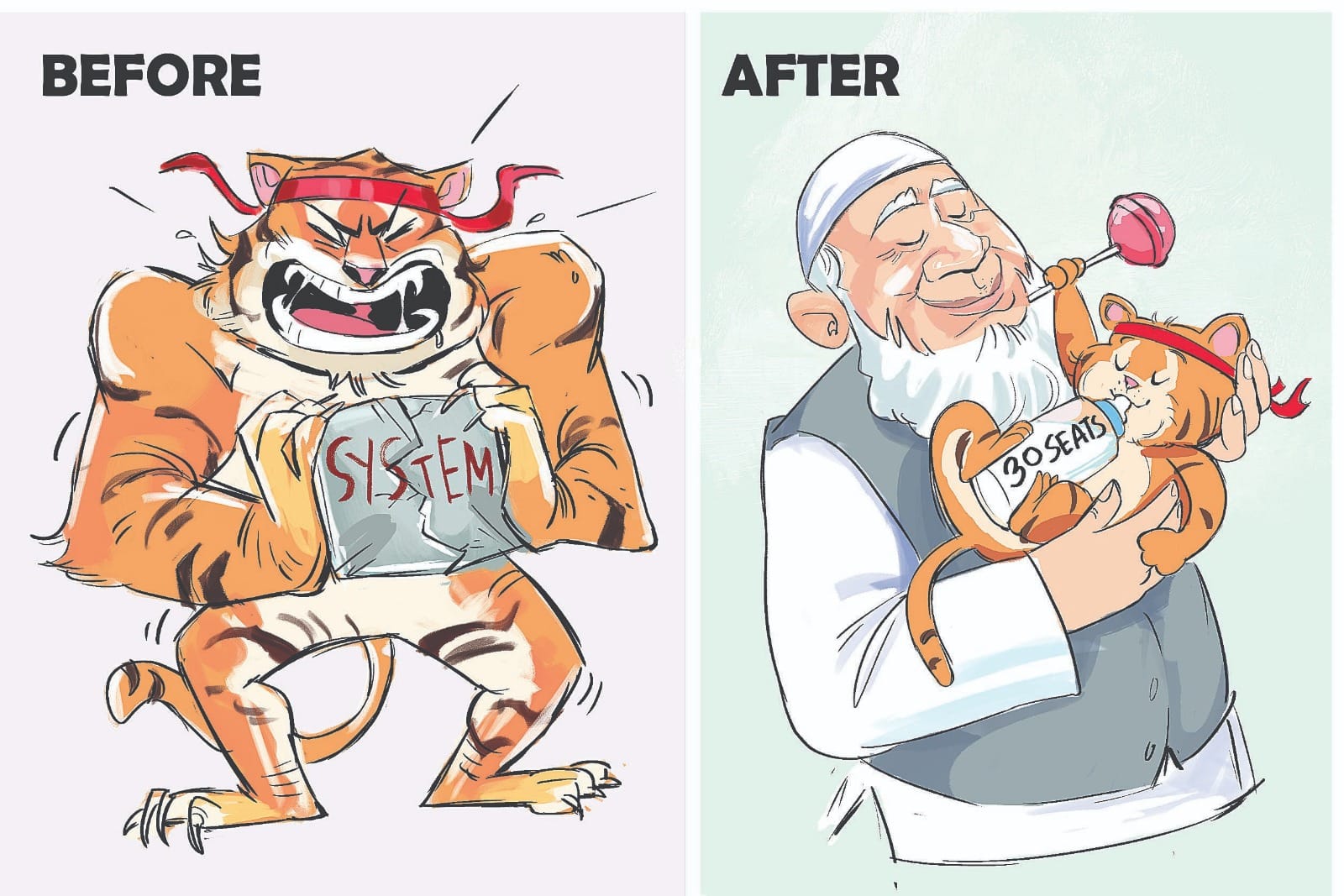
Natasha Jahan recalled a recent work shaped by both hope and disillusionment. “I drew a heroic tiger wearing a red ribbon… In the second part, the Jamaat Ameer is holding a baby tiger with a feeder.”
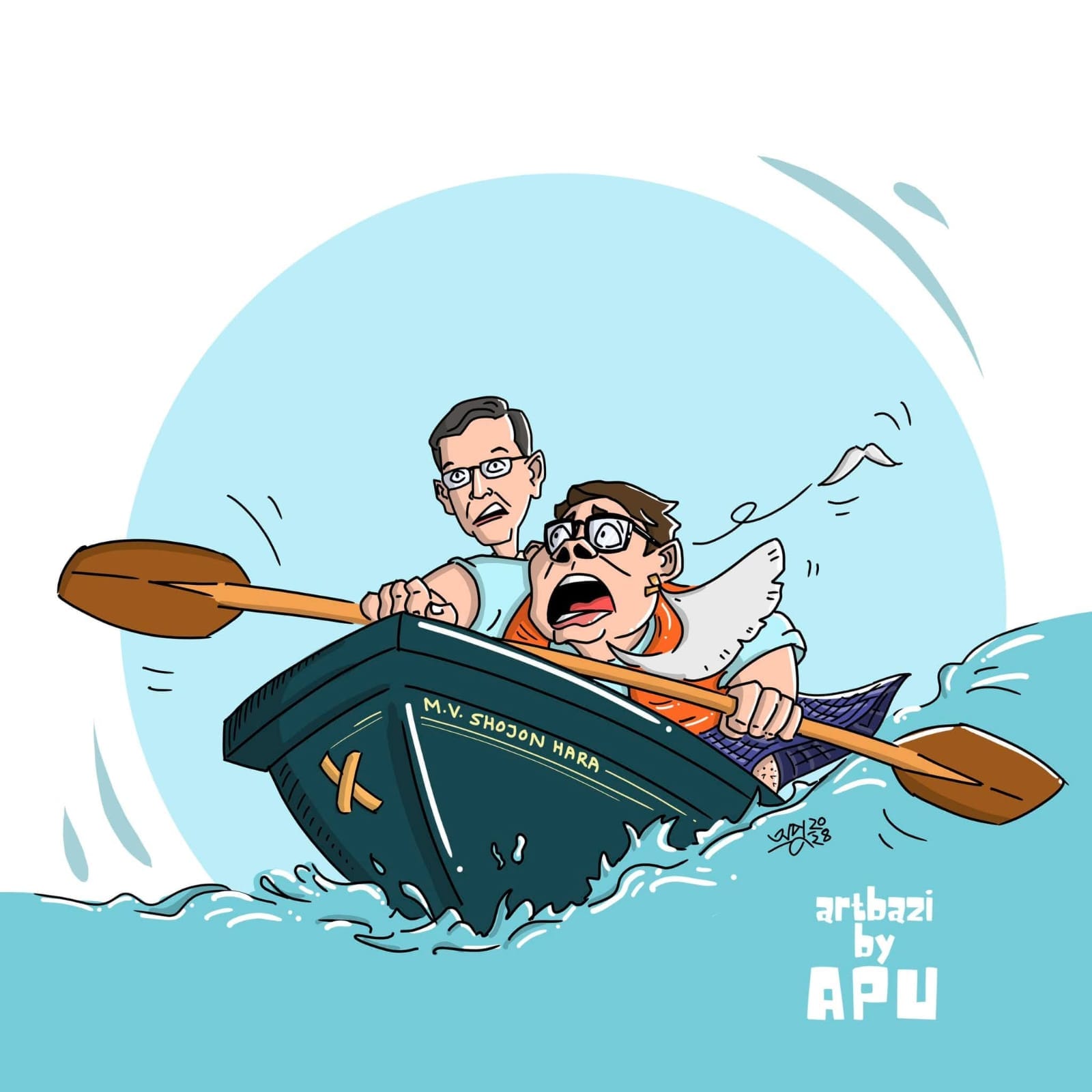
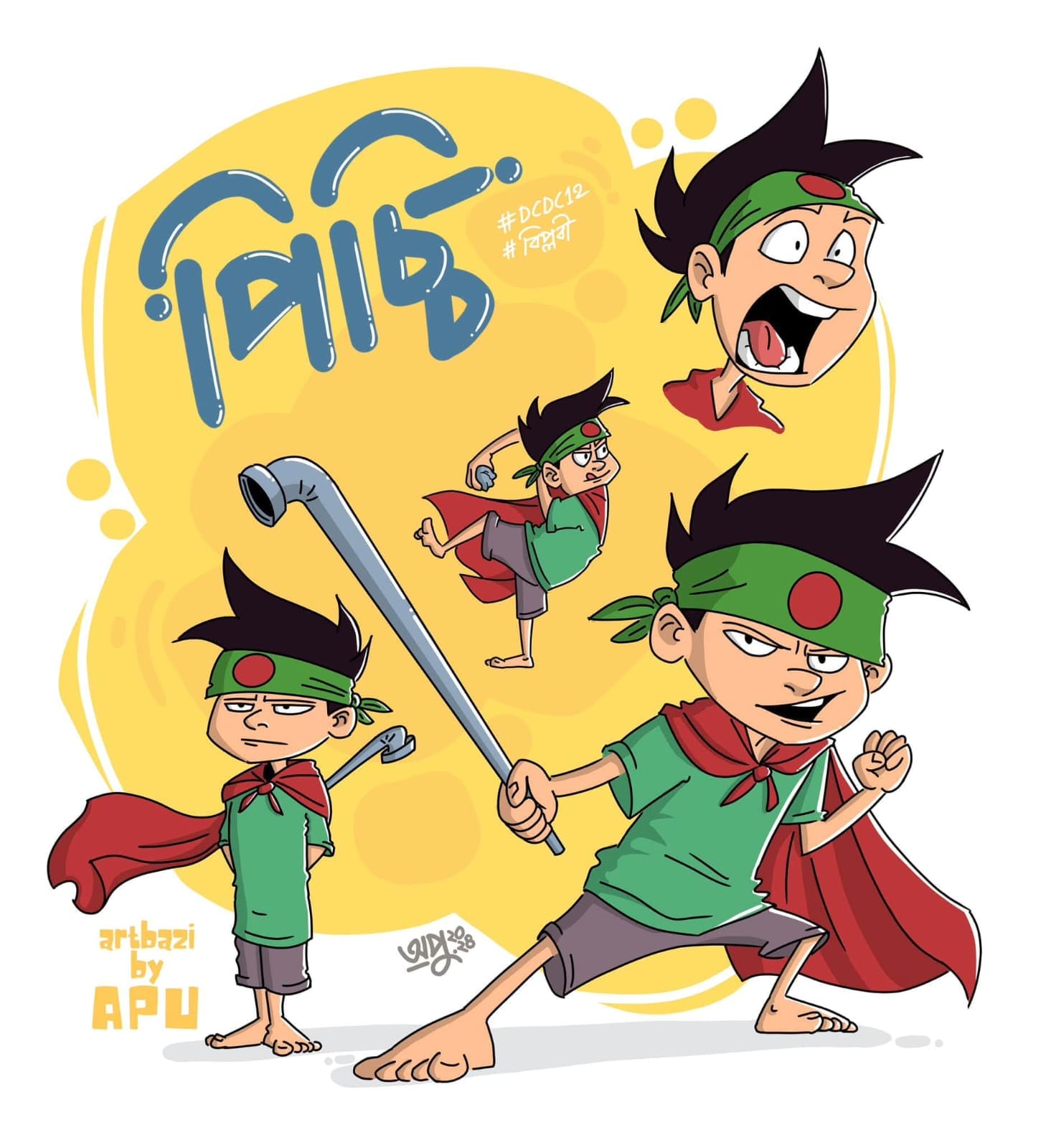
Zahidul Haque Apu spoke about works created during moments of crisis. “One of my favorites is a piece I did on the fascist regime during the July movement… It was a collage-type caricature showing what was happening around us.” He added, “Among my works, the one with the two people trying to escape with fake beards is probably my most favorite.”
When asked whether the space for political cartooning has improved, the answers revealed a cautious optimism shaped by restraint.
“Yes, we have the freedom, but there are always some potential risks. That’s why we see more self-censorship than actual threats. A large number of Bangladeshi professional Cartoonists chosen safer jobs. If you study the last decades, or especially this interim time period, you will see that hardly any professional cartoonists living in Bangladesh have drawn cartoons against what has happened in the last one and a half years,” said Mehedi, noting the scarcity of cartoons addressing recent political developments.
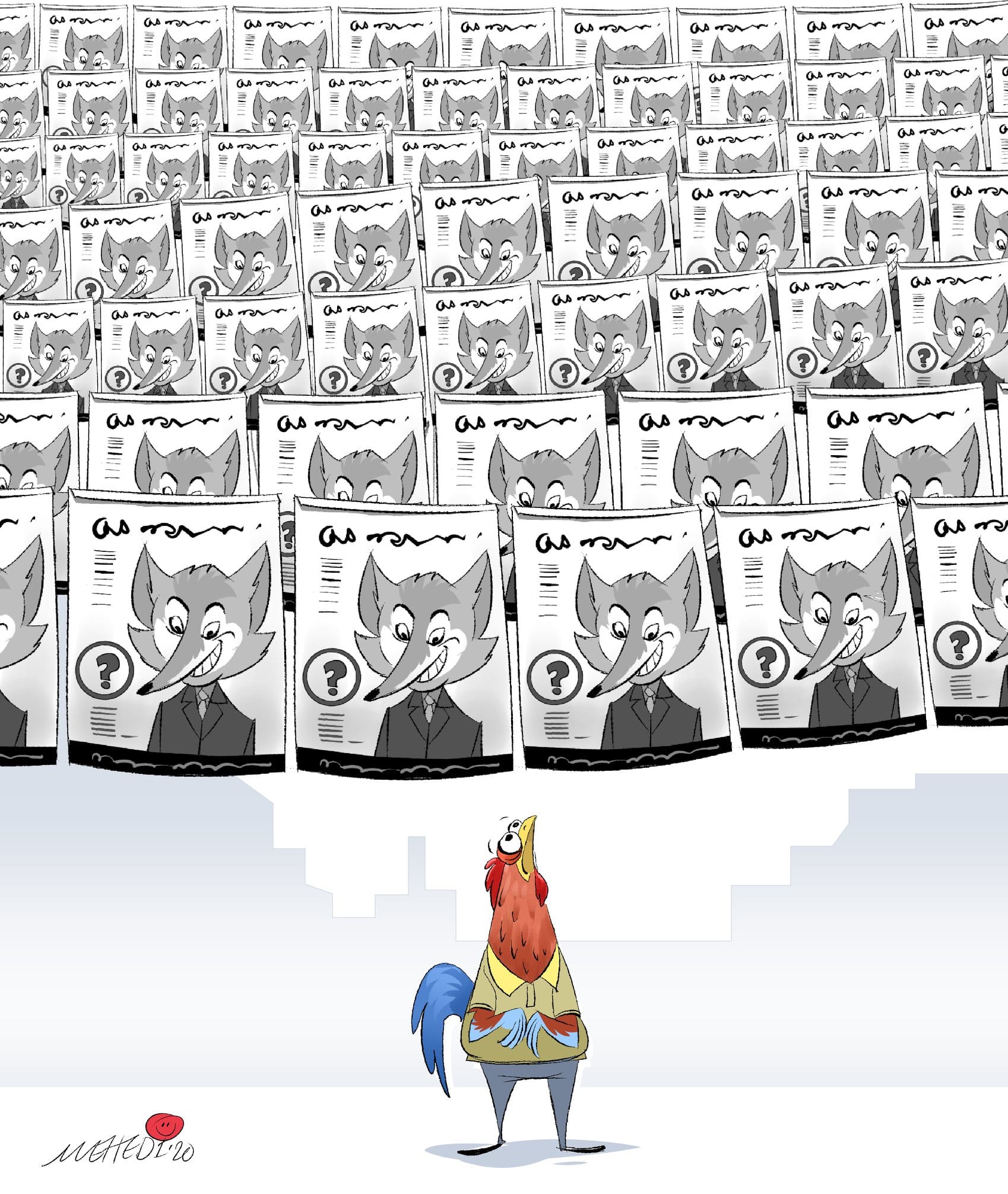
Natasha observed a relatively calmer environment. “In previous elections, cartoons often created more trouble… This election has been relatively calmer in that sense.”
Apu agreed that the space has opened somewhat, but questioned its use. “Now there is freedom, but its use is limited.”
For Morshed Mishu, however, the cost of expression remains high. “To do it effectively now, I would have to draw at a very aggressive level… And whatever I draw, the backlash ultimately comes to me. So, for the time being, I am not drawing political cartoons.”
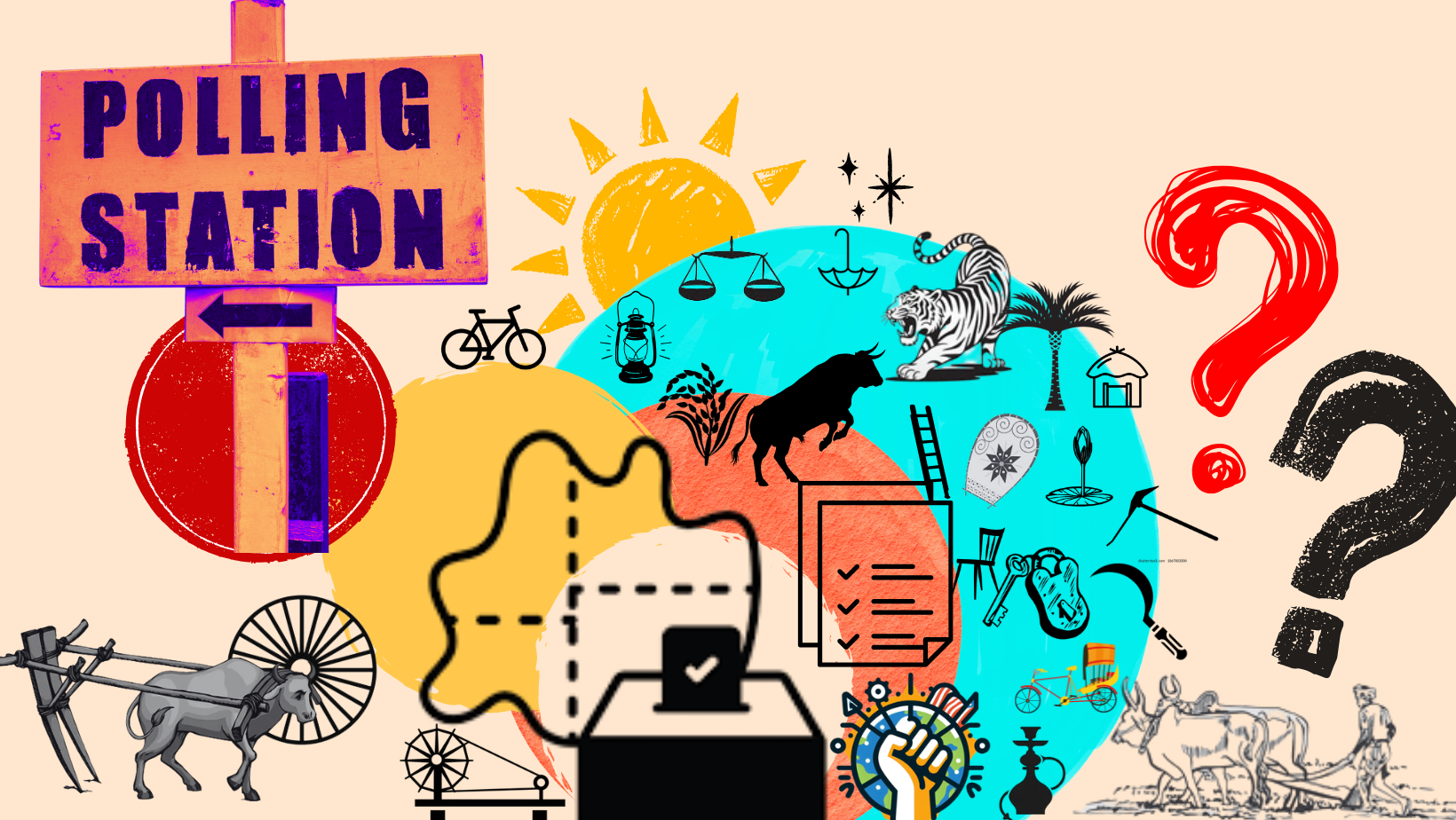
Together, their voices reveal a paradox. The formal space for expression may have widened, but the psychological, social, and professional risks remain. In Bangladesh today, the real question is not whether political cartoonists are allowed to speak—but whether they feel safe enough to draw what truly needs to be said.
Comments