


'It would have meant more if he could accept it with his own hands': Ayub Bachchu's wife

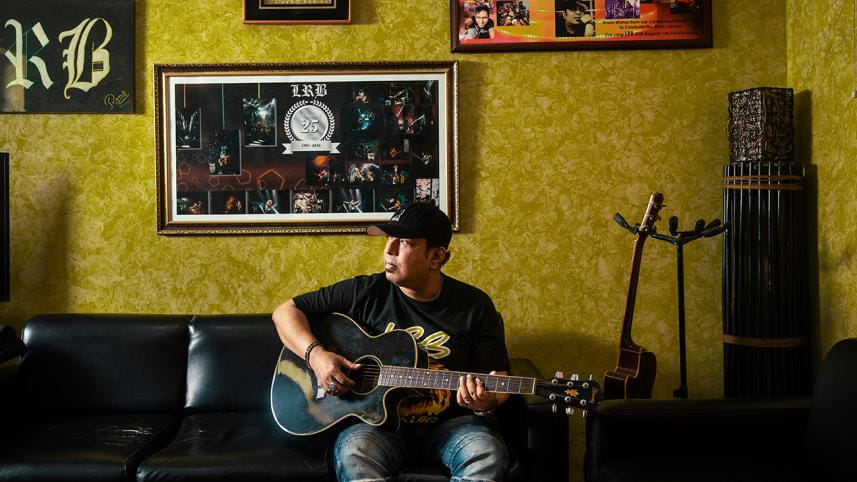
Legendary singer, guitarist and composer Ayub Bachchu is being honoured posthumously with the Ekushey Padak for his extraordinary contribution to Bangla rock music, nearly eight years after his death. The award’s announcement has been met with pride and reflection from those close to him.
Speaking to The Daily Star, Bachchu’s wife, Ferdous Akhtar Chondona acknowledged the significance of the honour, while also expressing a subtle yet profound wish. “For an artist, receiving this honour is a huge matter,” she said. “It would have meant more if he could have accepted it with his own hands. Every artist hopes to receive such recognition while they are alive. That is when it brings the greatest joy. I thank everyone involved in honouring him.”
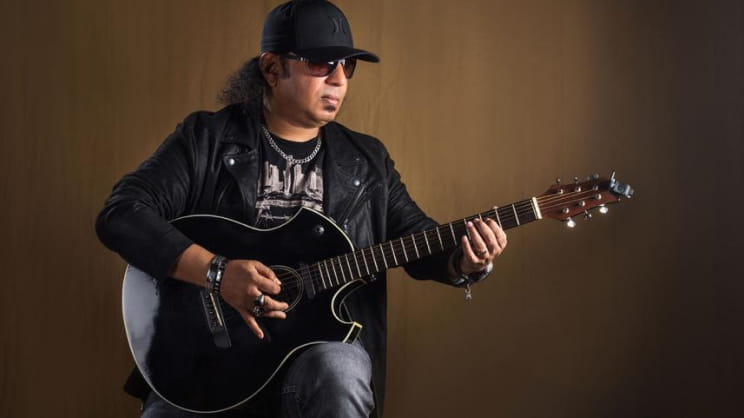
Chondona also shared a personal insight into her late husband’s deepest artistic pride. “My personal feeling is that Ayub Bachchu would have been happier if his band LRB had received the award,” she said. “When he worked on film songs and those songs became hugely popular, he quietly felt disappointed about not receiving a National Film Award. An award pushes an artist forward by a few more steps. He had that longing, too and spoke about it sometimes. We are deeply happy about this Ekushey Padak, and so are the people who loved him.”
 For all latest news, follow The Daily Star's Google News channel.
Ayub Bachchu was born on 16 August 1962 in Enayet Bazar, Chattogram, and passed away on October 18, 2018. A rare all-rounder, he was simultaneously a vocalist, lead guitarist, lyricist and composer — an artist whose influence shaped the emotional charge and ambition of modern Bangladeshi band music.
His first recorded song, “Harano Bikeler Golpo”, written by Shahid Mahmud Jangi, introduced him to audiences early in his career. His debut studio album, “Rokto Golap” (1986), marked the beginning of a prolific solo recording career.
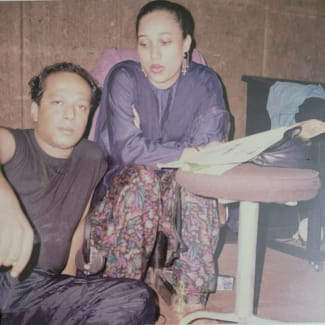
Bachchu began his musical journey with the band Feelings in 1978 and joined Souls in 1980, where he served as lead guitarist for about a decade. In 1991, he founded his own band, LRB (short for Love Runs Blind), which would become one of Bangladesh’s most influential rock groups. The band’s first release was a double album in 1992, a landmark achievement in Bangladeshi rock.
As a solo artist, Bachchu released a total of 16 albums over his four-decade career, including “Moyna” (1988), “Koshto” (1995), “Shomoy” (1998), “Eka” (1999), “Prem Tumi Ki” (2002), “Duti Mon” (2002), “Kafela” (2002), “Prem Premer Moto” (2003), “Pother Gaan” (2004), “Bhatir Gaane Matir Taane” (2006), “Jibon” (2006), “Sound of Silence” (2007), “Rimjhim Brishti” (2008), “Bolini Kokhono” (2009), and “Jiboner Golpo” (2015).
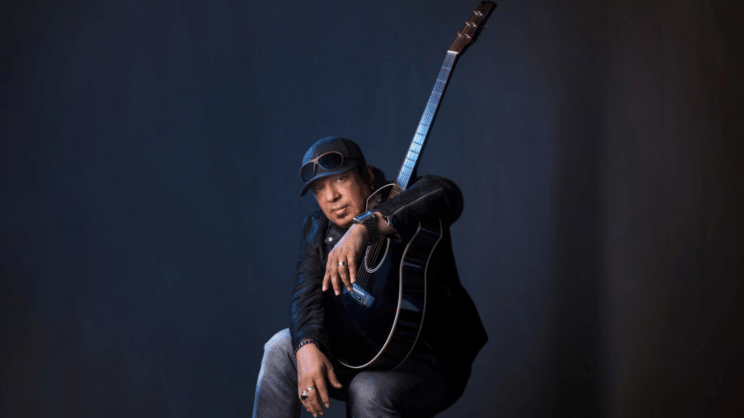
LRB’s discography includes seminal albums such as “LRB” (1992), “Sukh” (1993), “Tobuo” (1994), “Ghumonto Shohore” (1995), “Ferari Mon” (1996), “Amader Bishmoy” (1998), “Mon Chaile Mon Pabe” (2000), “Ochena Jibon” (2003), “Mone Ache Naki Nei” (2005), “Sporsho” (2008), and “Juddho” (2012).

Bachchu’s catalogue of beloved songs spans decades. Among his most enduring tracks are “Cholo Bodle Jai”, “Hashte Dekho Gaite Dekho”, “Keu Shukhi Noy”, “Ferari Ei Monta Amar”, “Ekdin Ghum Bhanga Shohore”, “Bangladesh”, “Koshto Pete Bhalobashi”, “Ekhon Onek Raat”, “Ei Rupali Guitar Fele”, “Gotokal Rate”, “Shei Tara Bhora Raat E”, “Meye Tumi Ki Dukkho Cheno”, “Share Tin Hat Mati”, “Ural Debo Akashe” and “Ek Akash Tara Tui”.
In addition to his band work, Bachchu also performed notable film songs, including “Ammajan”, “Ami To Preme Porini”, “Ononto Prem Tumi Dao Amake”, and “Sagorika Ami Beche Achi”.
Comments