


Keepers of stories, guardians of secrets
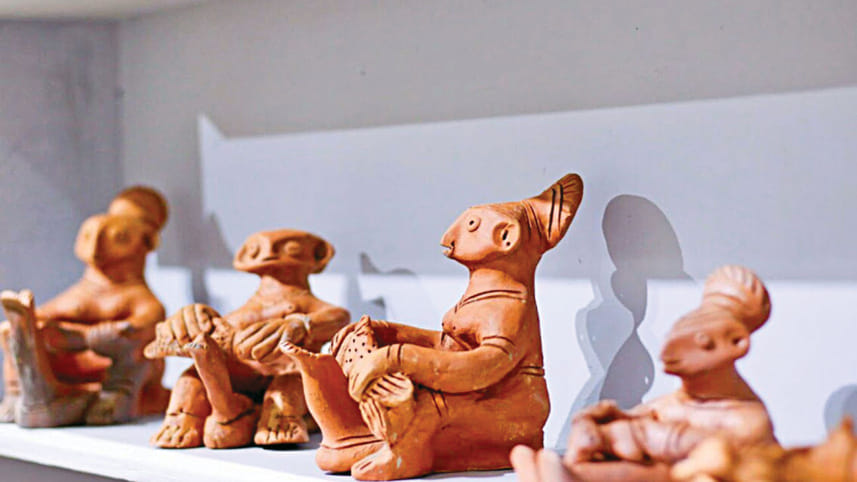
Attributes that we associate with grandma would usually be kind, loving, pious, obedient, modest, patient, nurturing, always the one to create wonders in the kitchen; keeper of family recipes and secrets, the one who knows when you need a hug and when a white lie to save you from your parents’ wrath won’t really harm anyone. These stereotypes have shifted over the years and the present generation of grandmothers is an assortment of women who were warriors—against society’s hypocrisy and against traditional norms; those who made sure they were heard, who dealt with injustice in quiet dignity. But most of all, they are the keepers of stories, of family secrets.
The 12 stories in this collection come under three categories, five of which under the “Behind Closed Doors” section are about love, sacrifice, resilience, childhood memories, and perceptions of ancestors’ lives. The second section, “The Burden of Truth” is about incidents that have been shrouded in mystery and the writers—the descendants—seek answers to occurrences in the past no matter how bitter the truth may be. To really belong to a family, you must know its past, and ask questions about the skeletons in the cupboard if you find any. The final four stories come under the heading “Fractured Realities” where the inexplicable and the uncanny are explored. Elements of folklore and the supernatural become effective storytelling techniques here, as do dreams and omens.
 For all latest news, follow The Daily Star's Google News channel.
 The first story, “No Taj Mahal for Syeda Mumtaz Jahan Khairunnesa” by Professor Niaz Zaman, begins with adjusting to a new life in East Pakistan after having lived in West Pakistan. At the heart of the story is an unparalleled love story where Nana would visit Nani’s gravesite everyday after breakfast and stay till noon. Nani had died after giving birth to 14 of his children. In their 22 years of marriage, she was either pregnant or nursing a child; she did have the time to pursue her passion which was writing. Nani wrote in Urdu as her family lived in Calcutta (now Kolkata) before they migrated to East Pakistan. In this story, through her grandmother’s life and her stories, the author examines the politics that affect the importance of one’s mother tongue. In this case, choosing to speak Urdu, the language which they spoke in before Partition, would have been unpatriotic.
“Rank and File” by Nawar Fairooz is a powerful story of how most members of a household choose to overlook sexual abuse and illicit relations when they see it. Dadi was a source of comfort in the sense that the young girl in the story could snuggle up to her when she felt confused and frightened after witnessing sexual misconduct, but why did Dadi not reprimand her son and insist on moral codes being followed in her household? Is her silence an act of diplomacy (of not rocking the boat) or an act of complicity? Are some family secrets best left buried? The reference to Jose Saramago’s 1995 novel Blindness makes for a powerful conclusion to this important story.
“Born in a Rice Paddy” by Tanveerul Haque has a dramatic opening where the author (male!) describes childbirth in a paddy field in vivid detail. Imagine using a sickle to cut the umbilical cord. But the women in his ancestral family are resilient, powerful, and refuse to give in to anything without a fight. The story has delightful references to the writer’s youth, the places he lived in, the gadgets of the 60s and 70s—like the Murphy radio, the transistor radio, petromax lamps—his first Fokker Friendship ride, and travelling by the newly-introduced Green Arrow express. The literary references, especially to William Wordsworth’s poem “Daffodils” express his emotions better than a thousand words can.
“Born in a Rice Paddy” by Tanveerul Haque has a dramatic opening where the author (male!) describes childbirth in a paddy field in vivid detail.
The last story is Razia Sultana’s “Al Mizan”, meaning ‘the scale’ in Arabic. Two women live in the same house. Saleha dutifully performs her wadu when she hears the azan and says her prayers. Falisha, on the other hand, would be busy dressing up in crimson silk sarees to go to the Kothi. Painted lips and pink powder were the final touches to her evening preparation. Those who condemn her sinful life do not take into consideration that she was raped at the age of 13, was forced to live with an aunt who was a Madame and she must send money for her 13-year-old daughter. The conclusion of the story is a description of heaven and hell as described in the Quran. Which one of the two ladies is being devoured by fiery tongues in the afterlife?
The simple style of each story enables the narration to emerge with clarity and ease. I strongly recommend these stories to be read for their delightful subject matter, where each grandmother is unique in her own way. We want to understand their joys and triumphs, pain and endurance.
Nusrat Huq is a senior teacher in Sunbeams school.


Comments