


Breaking with the past: Building institutions that prevent torture


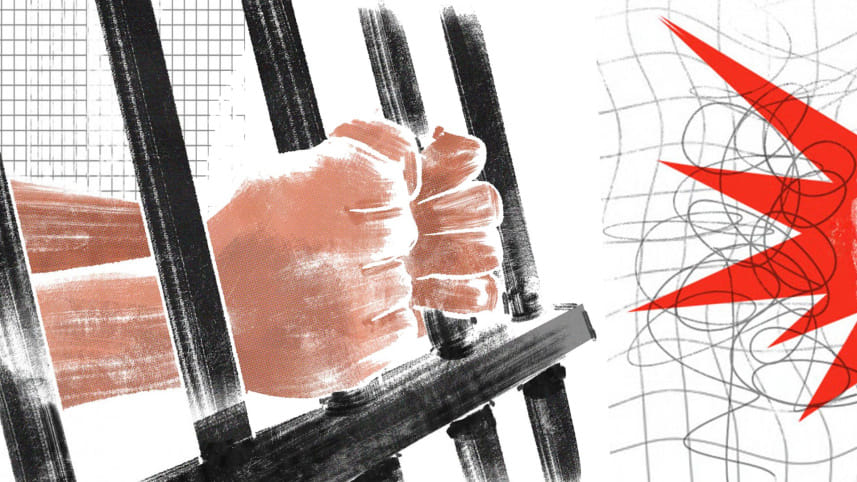
On June 26, the International Day in Support of Victims of Torture, the world honours survivors and renews its determination to fight torture. The day marks both the signing of the UN Charter in 1945 and the entry into force of the Convention against Torture in 1987. For Bangladesh, this commemoration arrives at a moment of promise—and of urgency—as the country also prepares for commemorations marking two years since the July uprising.
The OHCHR fact-finding report on the events of July-August 2024 documented torture and degrading treatment in security responses, highlighting grievances that remain unresolved. Victims continue to wait for accountability—for these violations and for those that led to the uprising. While the prohibition of torture is constitutionally guaranteed, the impact of past abuses continues to be felt. At the same time, Bangladesh has begun taking steps to prevent recurrence.
 For all latest news, follow The Daily Star's Google News channel.
 In 2025, Bangladesh ratified the Optional Protocol to the Convention against Torture (OPCAT), joining 96 countries committed to a simple, proven idea: torture can be prevented by opening places of detention to independent scrutiny. Ratification was a milestone, but June 26 reminds us that commitments must be translated into reality. That same year, Bangladesh, supported by the United Nations Development Programme (UNDP), launched long‑awaited reforms of the National Human Rights Commission (NHRC), consulting more than 600 survivors, defenders, and stakeholders. These dialogues revealed what citizens expect from their institutions: dignity, protection, and a decisive break from the violations of the past.
The draft law positions the NHRC as Bangladesh’s National Preventive Mechanism (NPM). For the first time, this body would be empowered to visit detention facilities, engage authorities in dialogue, and recommend improvements—turning promises into protection. Under OPCAT, Bangladesh must establish its NPM within a year of accession, and the deadline is approaching quickly. Meeting this obligation will require not only revising the legal framework but also driving its implementation and ensuring the mechanism is empowered in practice. Institutions gain credibility when they are truly independent, adequately resourced, and aligned with the Paris Principles. Transparent appointments, merit-based leadership, sufficient funding, and robust investigative powers are not minor technicalities; they are the foundations that determine whether an institution fulfils its mandate or falls short.
The evidence from NPMs worldwide is clear: preventive monitoring is not adversarial. It strengthens safeguards against abuse, enhances professionalism, improves conditions for staff and detainees alike, and builds public trust in institutions tasked with keeping people safe. These functions would also meet the expectations voiced by young Bangladeshis whom UNDP and the Association for the Prevention of Torture (APT) spoke to earlier this week in a dialogue on torture prevention tools.
Bangladesh has the foundation, the momentum, and the moment. Establishing an independent, well‑resourced National Preventive Mechanism this year would honour the victims this day remembers, and show the region what genuine prevention looks like. On this International Day in Support of Victims of Torture, Bangladesh has the chance to lead, not only through words but through action.
Sonali Dayaratne is office-in-charge at UNDP Bangladesh.
Nicole Hogg is secretary-general at the Association for the Prevention of Torture.
Views expressed in this article are the authors' own.
Follow The Daily Star Opinion on Facebook for the latest opinions, commentaries, and analyses by experts and professionals. To contribute your article or letter to The Daily Star Opinion, see our guidelines for submission.


Comments