


What students should know about caring for cats on campuses
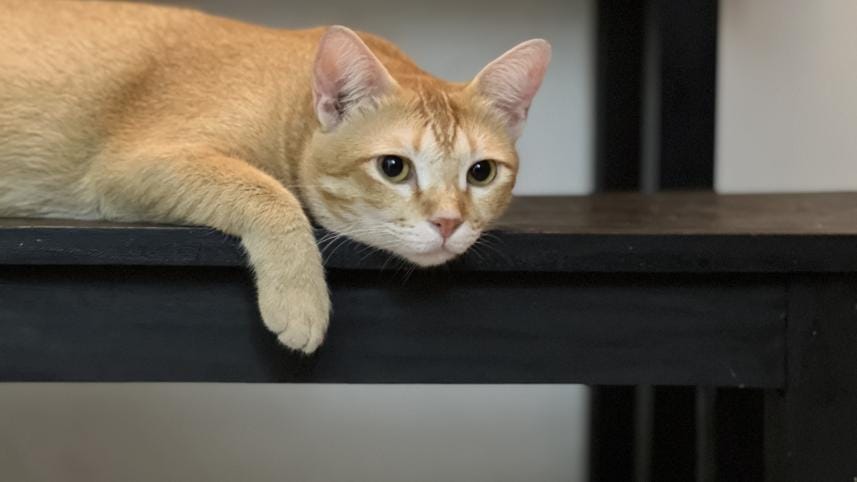
There are very few things in life cuter than spotting a sleepy cat on your way to class. Since nearly all campuses in Bangladesh have open areas, it's natural that cats will roam in and out of the place. Students often know these campus cats by name, recognise their favourite sleeping spots, and stop to give them a gentle pat on stressful days.
The campus cats provide comfort, making the campus feel warm and welcoming, and create a sense of belonging. Because of this connection, we naturally want to care for them. However, caring for campus cats is not only about feeding them; it is about feeding them correctly, keeping them safe, and respecting their freedom. It is also about recognising that authorities and staff members must treat these animals fairly and humanely. Campus cats are not pests to be removed; in fact, this place was most likely theirs before it was built to be ours.
 For all latest news, follow The Daily Star's Google News channel.
 Most people show care by leaving food for the cats, assuming that feeding alone is enough. While the intention is good, how the cats are fed matters just as much as the act of feeding itself. If food is placed without consideration, for example, on busy paths, near roads or rubbish bins, it may put the cats in danger.
In high-traffic areas, cats may suddenly dart out and risk being hit by vehicles. Food left in open spaces can attract pests, stray dogs, or even cause complaints from staff who then start to view the cats as a nuisance. Over time, improper feeding can give authorities excuses to remove the cats from campus, claiming that they create hygiene problems.
The solution is simple but important: feed campus cats only in safe, quiet areas. Choose a shadowed corner away from cars and crowds. Use clean bowls or plates instead of leaving food directly on the ground. If you're in a hurry, even placing it neatly on paper or tissue helps. Once the cat has finished eating, pick up the remains and dispose of them. This keeps the area tidy and prevents insects or rodents from gathering. Responsible feeding means thinking about the long-term safety of the cats, as well as your campus.
Additionally, what we feed the cat matters. They are living beings and, most of the time, delicate ones. Many students feed them anything they want, but things like fish bones, sharp chicken bones, chocolate, etc., can actually prove to be a choking hazard or indigestible for them, which endangers their lives.
Another common issue seen across campuses is students putting collars and sometimes identity cards on campus cats because it looks cute or "aesthetic". People want the cats to look like they belong to the university or have a name tag, and many assume it shows care.
However, collars are not harmless accessories. Outdoor cats climb trees, crawl under fences, and explore tight spaces where a collar can get stuck. If the collar catches on something, the cat may choke or injure itself while trying to escape. Some people attach identity cards or name tags that swing heavily from the collar, hitting the cat's neck every time it moves. This weight is uncomfortable and stressful for the animal.
More importantly, collars can create misunderstandings. When someone sees a cat with a collar and ID card, they may assume the cat has an owner and does not need help, even if the cat is sick, hungry, or injured. Campus cats are community cats. They are cared for by everyone, and they should not be treated as personal pets or decorations. True care means protecting their comfort and freedom, not turning them into a fashion statement.
In addition to proper feeding and avoiding collars, hydration is an often-overlooked aspect students must pay attention to. Many students remember to bring food but forget about water. However, clean water is essential for outdoor cats, especially in hot seasons. Leaving a bowl of fresh water in a shadowed place can prevent dehydration and several common health problems. Water does not attract pests and is actually one of the simplest yet most helpful things students can provide.
While students play a big role in caring for campus cats, authorities and campus management also carry responsibility. In many universities, instead of working with students to care for the cats, they choose the crueler option: removing them. Moving cats away from their territory is highly stressful and often dangerous. Cats are territorial animals; they survive because they know the area — where to hide, where to eat, and where to sleep safely. When a cat is removed, it loses its instincts for that new environment and may struggle to find food or shelter. Removing campus cats is not only unnecessary, it is inhumane. As a result, not only are they confused and lost, but are unfortunately led to their demise because of the loss of territory.
Instead, authorities should collaborate with students to create designated feeding spaces, set basic guidelines, and ensure that cats are not harmed or chased away. A healthy campus environment includes empathy, not just rules. When students and authorities communicate, everyone can live peacefully without disturbing academic life.
They do not ask for much, only space, safety, and kindness. The best care we can offer is responsible care. By working together, we can ensure these gentle animals remain what they are meant to be: free, healthy, and loved members of our world.
Tinath Zaeba is an optimistic daydreamer, a cat mom of 5 and a student of Economics at North South University. Get in touch via tinathzaeba25@gmail.com.
Comments