


Loan leniency and the risk of zombie firms

The new governor of the Bangladesh Bank has made his first major policy move. It is the kind of decision that feels immediately reassuring to anyone who has ever struggled to meet a deadline. By allowing banks to renew continuous loans even after their tenure expires, provided they have not yet been classified as defaulted, the central bank has given thousands of businesses a short window to breathe.
Bankers welcome the relief. Traders and industrialists, already battered by economic headwinds, now have space to sort out their finances without the threat of classification hanging over them. In the short term, this is the sort of pragmatic, business-friendly intervention one might expect from a governor who understands the pressures of running an enterprise. It prevents an immediate spike in non-performing loans, shores up bank balance sheets for now, and keeps credit channels open. The patient has been given a powerful painkiller, and the relief is palpable.
 For all latest news, follow The Daily Star's Google News channel.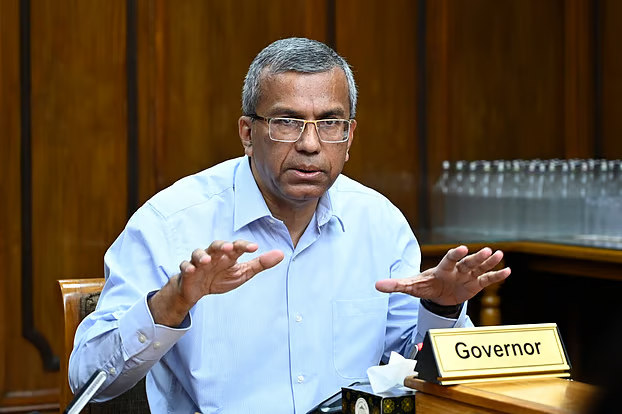
But painkillers do not cure disease; they mask symptoms. The underlying condition of the banking sector is far more serious than a few missed repayment deadlines. What we may be witnessing is the quiet return of a familiar and dangerous phenomenon: evergreening of loans, the practice of hiding bad debt by constantly renewing it rather than acknowledging it as a loss.
The new rules, if not applied with precision, create fertile ground for moral hazard. When borrowers see that loans can be renewed without full repayment of principal, the urgency to maintain credit discipline weakens. Why scramble to pay when rules can bend? Why restructure a failing business when a fresh extension is a signature away? This is not a hypothetical slippery slope. It is a well-trodden path that has led other economies into banking crises.
The most insidious consequence of such leniency is the rise of zombie loans, credit extended to companies that generate just enough cash to cover interest payments but can never repay principal. These undead enterprises stumble on, absorbing capital that could otherwise flow to productive, growing businesses. They do not create jobs at scale. They do not innovate. They do not contribute to long-term economic dynamism. Instead, they survive by consuming resources that should nourish healthier parts of the economy.
For the banking sector, the implications are grave. When bad loans are hidden rather than resolved, balance sheets become illusions. Reported asset quality may appear stable, but beneath the surface, the rot spreads. If and when these hidden non-performing loans emerge, provisioning requirements could undermine capital adequacy. The result may be a systemic crisis that forces repeated, taxpayer-funded recapitalisations, diverting public money from schools, hospitals and infrastructure into the black hole of failed lending.
A banking sector weighed down by concealed distress becomes risk-averse. It stops lending to new businesses, starves small and medium enterprises of credit, and chokes off the investment needed to generate employment. The very goal the new government has articulated, supporting businesses to create jobs, is undermined by a policy that props up the inefficient at the expense of the dynamic.
None of this suggests malicious intent or even flawed logic. There is economic sense in providing temporary relief during uncertain times, and many firms facing short-term liquidity pressures will benefit from this window. The danger lies not in the policy itself but in its implementation. If banks use the extension to conduct genuine due diligence, distinguishing viable firms with cash flow problems from enterprises that require restructuring or closure, the measure could serve as a useful bridge.
If renewal becomes automatic, oversight weak and rolling over loans the path of least resistance, the governor's first major decision will be judged differently. It will be seen as the moment when short-term comfort was chosen over long-term health, when banking problems were masked rather than solved, and when seeds of a deeper financial crisis were sown. The window will close. The consequences of what happens within it will endure far longer.
The writer is a professor of economics at Dhaka University and research director at RAPID




Comments