


Construction sector sees falling costs amid weak demand


Construction costs in Bangladesh fell for the seventh consecutive month in November, as official data from the Bangladesh Bureau of Statistics (BBS) showed a continued slide in building-material prices amid weakening market demand, according to industry insiders.
The Building Materials Price Index (BMPI) declined to 3.53 percent in November, down 9 basis points from 3.62 percent in the previous month, according to BBS data.
 For all latest news, follow The Daily Star's Google News channel.
 In February, the BMPI peaked at 5.99, the highest level this year, but has since dropped by almost half. The BBS compiles the BMPI by tracking the costs of three key components: building materials, transport, and labour charges.

Of these, building material prices fell to 3.53 percent in November, a month-on-month decrease of 0.08 percentage points.
Labour costs grew more slowly at 4.33 percent, down 0.10 percentage points from October, while transport charges dropped to 3.17 percent from 3.27 percent.
"The price of building materials has reduced significantly as overall market demand has slowed," said Bimal Chandra Roy, former president of the Bangladesh Association of Construction Industry (BACI).
Because materials are not being utilised, producers are struggling to sell at normal rates.
"Those who are producing are likely being forced to sell at lower prices to survive and clear their stock," Roy added.
He attributed much of the pressure to the sharp fall in government-funded construction. Suppliers who had earlier stockpiled raw materials are now compelled to liquidate.
"The situation has been going on for quite some time. It's more prevalent with cement and rods," he said.
The downturn has affected the labour market as well.
"Construction labourers have returned to their villages and taken up farm work because there's no activity at the sites," Roy said.
Transport demand has also weakened, reflecting the slowdown across the sector. Roy stressed that the impact is visible throughout the supply chain.
"If construction activities and development projects can be restarted, things will pick up again," he added.
On whether the return of a political government and improved ADP implementation could revive demand, he noted that outcomes would depend on policy performance rather than politics.
Liakat Ali Bhuiyan, senior vice-president of the Real Estate and Housing Association of Bangladesh (REHAB), echoed these views.
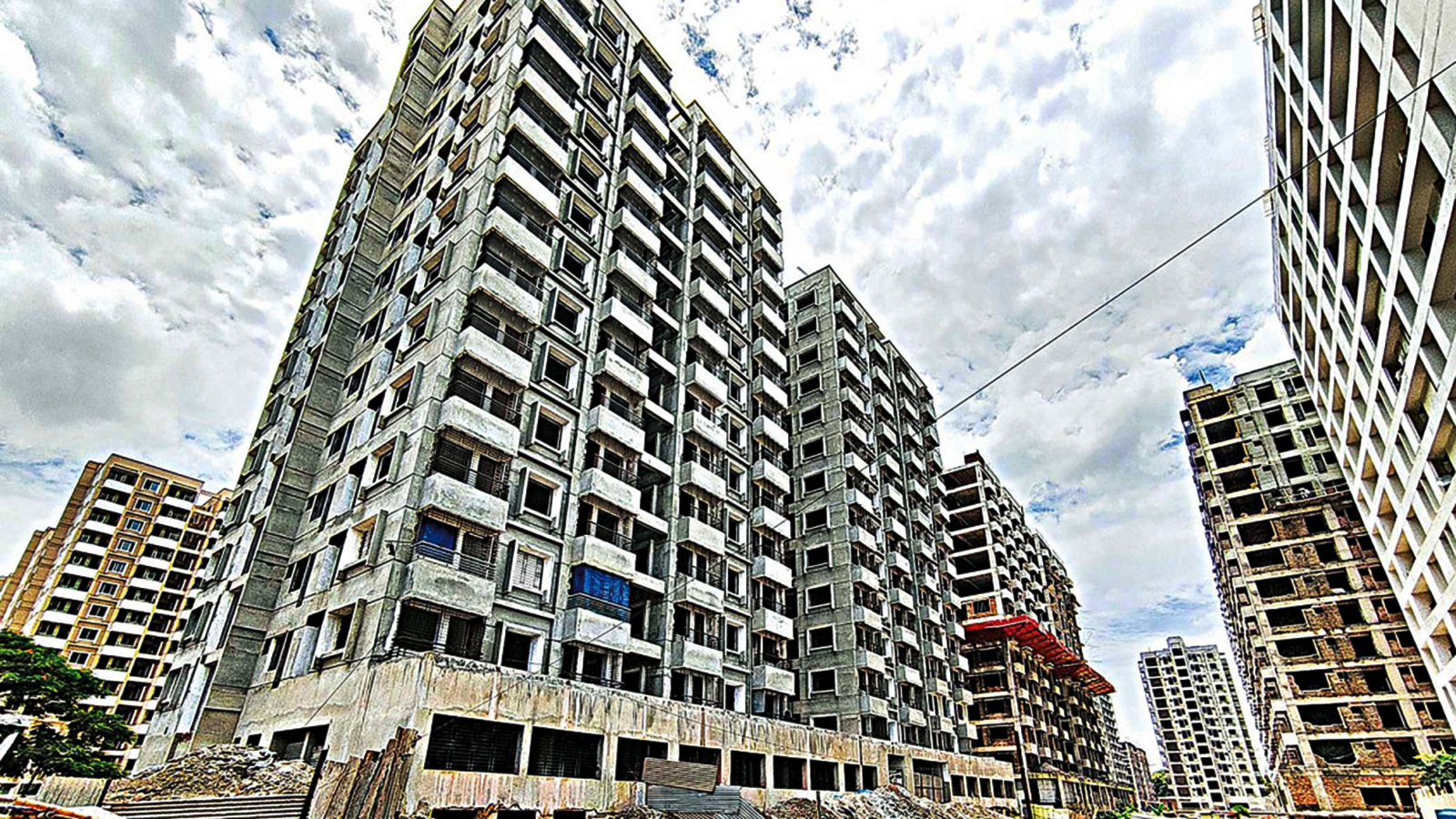
"Demand has fallen, which has pushed prices down. For the past year, we haven't taken on any new projects because of the Detailed Area Plan (DAP)," he said.
A DAP is a comprehensive urban strategy, such as Dhaka's ongoing 2016–2035 plan, intended to guide land use, infrastructure, and sustainable development across a large designated area.
However, it has drawn criticism from various stakeholders over its restrictive provisions and implementation challenges.
Bhuiyan, also chairman of Brick Works Development Ltd, added that if the government revises the plan, many entrepreneurs could fast-track their projects.
Comments