


Reflections / The limits of genius: Women, caste, and the unfinished politics of Tagore
7 May 2026, 20:44 PM
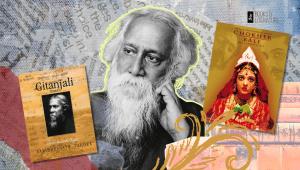
The gift Tagore leaves us is not perfection. It takes a lot of courage to even ask the question in the first place. Therefore, let us take up the work he left unfinished, under the same banyan tree he sat under, with the same soft breeze he felt, as the soft afternoon light turns gold when the sun starts to set. Was it his time? Yes. Would he be different today? We will never know. But us, asking, is our tribute.
7 May 2026, 20:44 PM
THE SHELF / From history to mystery: 6 ‘thought daughter’ books to make you think
24 March 2026, 21:26 PM
You know that feeling: you’re standing in front of your bookshelf, fingers trailing over spines, and you’re not just looking for a story. You’re looking for a companion—a voice that feels like a thought-daughter, a story born from the mind but nurtured by the heart, one that asks big questions but whispers them in your ear.
Lately, my own shelf has been whispering back, and it’s been telling me to pass these whispers on to you.
24 March 2026, 21:26 PM
EVENT REPORT / ‘Unlearning the Book’: When stories escape the page
17 March 2026, 15:35 PM
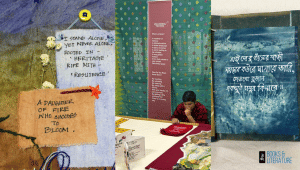
The exhibition reimagines the book as a tactile, textile based vessel for memory, currently on view at Alliance Française Dhaka from March 10-18, 2026.
17 March 2026, 15:35 PM
Essay / From whispers to roars: The changing voice of women’s fiction
5 March 2026, 00:00 AM
I’ve always been fascinated by what stories can tell us about the inner lives (what men like to call the private sphere) of women throughout history.
5 March 2026, 00:00 AM

We are not lazy, we are overwhelmed
10 December 2025, 02:00 AM
We are not incapable; we are choice-fatigued.
10 December 2025, 02:00 AM

16 DAYS OF ACTIVISM / The pen that pierced the purdah
9 December 2025, 12:54 PM
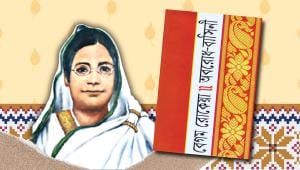
As we commemorate Begum Rokeya Day, Oborodh Bashini stands not as a relic of a bygone era but as a living blueprint for modern resistance. The stories she told are specific to a time, but the structures of silencing they represent are hauntingly familiar.
9 December 2025, 12:54 PM
16 Days of Activism / The pen that pierced the purdah
8 December 2025, 18:29 PM
Rereading Begum Rokeya’s ‘Oborodh Bashini’
8 December 2025, 18:29 PM
ESSAY / When old patriarchies wear new faces
25 November 2025, 12:57 PM
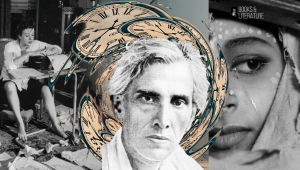
To understand the deep-seated relevance of this modern debate, we must embark on a journey into the heart of Sarat Chandra’s literature, where these battles first found voice.
25 November 2025, 12:57 PM

What are we really running from?
The moment a meeting lulls, a conversation pauses, or a task feels a bit too long, my phone is in my hand. It lights up. And I’m gone.
12 October 2025, 02:00 AM

In praise of slowness: Rethinking life in a fast-moving Bangladesh
Slow living isn’t just a trend – it’s a necessity in the fight against burnout, anxiety, and stress related to climate change
10 October 2025, 05:04 AM

Cages of flesh and bone: Deconstructing social hierarchies with ‘The Zamindar’s Ghost’ and ‘Shakchunni’
In the mist-covered hills of Ooty and the famine-ravaged villages of Bengal, they speak of ghosts. They whisper of a Zamindar’s phantom haunting a grand manor and a shape-shifting shakchunni preying on a crumbling estate.
8 October 2025, 18:00 PM
‘Pustokaloy’: Where books breathe and memories speak
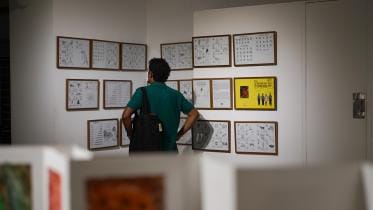
Notable works include Jinnatun Jannat’s “Canvas 1947: DADA”, a mixed-media compilation that traces her family’s displacement during Partition through digitally printed photographs, watercolours, and ink drawings.
2 October 2025, 13:45 PM

Abandon hope, all ye who enter grad school
If Dante Alighieri were a frustrated PhD student with a caffeine addiction and a strong disdain for university bureaucracy, he might have created Katabasis, as R.F. Kuang did.
10 September 2025, 18:00 PM