


positive personality traits

Why we should ask for help more often
Embrace life challenges by mastering the Ben Franklin Effect to strengthen social bonds through courage. Requesting assistance builds valuable reputations and community connections while boosting dopamine levels. Prioritize gratitude and reciprocate support to earn vital XP.
26 April 2026, 19:07 PM

Think asking salaries is polite? Time to unlearn that and more
Unlearning is the process of abandoning outdated or harmful norms, habits, and beliefs ingrained through societal and cultural conditioning. It involves rejecting intrusive questions, respecting privacy, and embracing self-improvement to rebuild healthier practices and virtues.
8 January 2025, 13:59 PM
Why wait for the 'perfect moment'? Start these 5 micro habits today!
We have all experienced it—the period when we hold out for the perfect moment to make changes in our lives. The reality is, there’s no such thing as the “right time” to start. The important thing is to take action now, even if it’s just a small step, and allow those small actions to build momentum over time.
3 October 2024, 11:19 AM

Courage isn’t always loud: The silent strength of daily battles
As humans, we all have differing degrees of courage, shaped by our personal experiences. Courage thrives in the quiet corners of everyday life, in our perseverance and in the moments of truth and acceptance we face within ourselves.
11 August 2024, 08:04 AM

Think IQ is everything? Think again – Emotional intelligence is the game changer
In today’s world, where cognitive abilities and technical skills are often highlighted as the primary contributors to success, the importance of emotional intelligence (EI) tends to be overlooked.
1 August 2024, 09:09 AM

How to stop stressing over small things
Do you find yourself getting stressed over the smallest of things lately? Getting triggered by something as simple as your phone not connecting to its charger properly or being overwhelmed when your YouTube video begins to lag? It is okay, we have all been there. In our fast-paced lives, it is not too uncommon to get consumed by the smallest of inconveniences and let them drain us.
21 February 2024, 10:06 AM

The Grit Blueprint: 8 simple steps to boost your mental strength
When the going gets tough, having a strong mind can be like having a superpower, the power to rise above difficulties and keep going. This is your go-to manual for turning everyday folks into mental superheroes, equipped with the resilience to handle tough times and the determination to face challenges head-on.
3 December 2023, 09:54 AM

Find meaning and happiness in life with these 5 positive tips
Instead of focusing on treating mental problems like traditional psychology does, it emphasises fostering happiness and well-being. Positive psychology's fundamental goal is to discover the keys to living a happy life.
6 September 2023, 11:10 AM
How to practice positive thinking
Here are a few ways to practice positive thinking.
20 August 2023, 09:16 AM

5 Japanese philosophies for better productivity
Here are 5 Japanese philosophies that might alter your life outlook and increase overall efficiency.
1 August 2023, 15:57 PM
Why self-esteem is so important
Self-esteem may influence how we perceive ourselves and navigate through life's problems. One has to work through their problems by having a willingness to confront the truth and awareness regarding their life. It is not a natural gift that one is born with, but rather a skill that is carefully cultivated over the years.
25 July 2023, 13:35 PM
The power of positive thinking: How optimism can transform your life
The power of positive thinking can be a ray of sunshine in a world filled with difficulties and obstacles, pointing us in the direction of a life that is more joyful and satisfying. The revolutionary power of positive thinking, the conviction that there is a light at the end of the tunnel, can shape our existence and lead us to accomplish anything. We can access a source of freedom that allows us to mentally prepare for any challenge in life by adopting an optimistic attitude.
19 June 2023, 11:55 AM

Exploring mindfulness: Simple techniques to reduce stress and improve well-being
From students to a man in his 60s planning his retirement, stress has become a common phenomenon in everyone’s lives. We all feel overwhelmed and disconnected from our own well-being as a result of the demands of work, family, and personal life.
19 June 2023, 08:49 AM
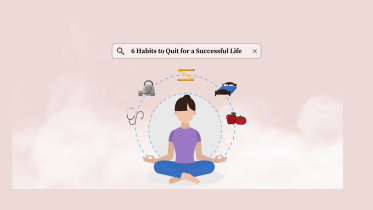
6 habits to quit for a successful life
This fast and frenzied world has us constantly on our toes, needing us to upgrade ourselves every so often. Fortunately, there are several ways to figure out what might not be working for you and to find sustainable, productive ways to reach your very own version 2.0.
24 May 2023, 10:25 AM

5 life lessons you can learn from Sherlock Holmes
Arthur Conan Doyle’s most popular character is none other than Sherlock Holmes whose stories have been adapted to the big screen multiple times. Despite the character and his detective stories being fictional, Sherlock Holmes gives us multiple life lessons.
22 May 2023, 09:38 AM

Understanding the mindset of people who like to be left alone
For many people, the thought of being alone can be daunting. However, for others, solitude is a source of strength and empowerment. Those who prefer to spend time alone are often misunderstood and labelled as antisocial or introverted. But the truth is, there is a certain ‘cool’ psychology behind people who like being alone.
22 March 2023, 16:19 PM

How volunteering enhances your well-being and society
Volunteering is a selfless act of giving one’s time and resources to help others without expecting anything in return. It is a powerful way to make a positive impact on the world and improve one’s own life at the same time. In this article, we will explore the benefits of volunteering and how it can help you make a difference in the world.
22 March 2023, 16:12 PM

What is slow living and why should you care?
In today’s fast-paced world, it’s easy to feel overwhelmed and stressed out. From juggling work, family, and social obligations, it can feel like we’re constantly running on autopilot. This is where the concept of slow living comes in. Slow living is a philosophy that emphasises the importance of slowing down and living a more intentional and mindful lifestyle. In this article, we will explore the benefits of slow living and provide tips on how to embrace it.
15 March 2023, 13:46 PM
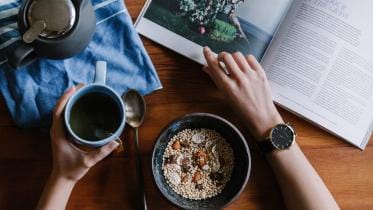
6 daily morning routines for success
A good morning routine can drastically change your life. We know some of you are not morning people in general but unfortunately, much of society revolves around them so it will not hurt to have a routine of your own to make sure you are on top of things. Here are a few things to keep in mind while formulating your morning routine so that you can become your most successful self.
11 March 2023, 11:49 AM
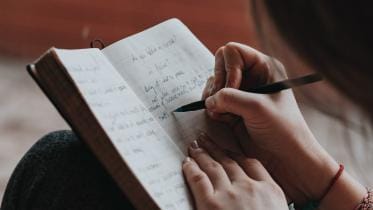
How it helps to maintain a journal
There is a good reason why we are encouraged to pick up the habit of maintaining a journal from a very young age. Most of us tend to give it up as we grow older and truth be told, it does become a bit difficult to keep up with as our schedules get busier. However, we should all look into journaling again and try to resume the practice as it has a few amazing benefits that can drastically change our lives.
11 March 2023, 11:42 AM