


Promotional content: Reshaping urban living with sustainable homes

Shamsul Alamin Real Estate Ltd., founded in 1992, reshapes Bangladesh's urban living with sustainable, tech-enabled, affordable-luxury homes that prioritize comfort, community and long-term value.
The Daily Star (TDS): What is your company's vision for the next five years?
 For all latest news, follow The Daily Star's Google News channel.
 Wasif Shamsul Alamin (WSA): Shamsul Alamin Real Estate, founded in 1992, aims to transform Bangladesh's urban landscape into vibrant, sustainable communities by 2030. We view a home as more than shelter: it is the foundation for dreams and relationships. Our five-year focus is on affordable luxury that blends smart technology, energy efficiency, and human-centered design. We plan to integrate IoT systems, AI-driven security, passive design for climate comfort, and generous green spaces so residences and workplaces are resilient, effective over the long term.
TDS: How do your projects align with national smart-city plans and green-building standards, and how many meet these standards?
WSA: We align closely with Smart Bangladesh and RAJUK smart-city objectives. Projects in Gulshan, Banani, Baridhara, Tejgaon and Uttara use sustainable architecture, and we aim to use intelligent systems: rooftop solar, rainwater harvesting, greywater recycling, low-VOC materials, energy-efficient façades and integrated access control. Nearly 40% of current developments comply with BNBC and are targeting LEED certification; all upcoming projects are designed to meet recognised green standards. For example, Alamin Business Bay, our almost ready prestigious business address at Banani isn't just another building, it's a vision of how workspaces should evolve in a city like Dhaka. We wanted to create more than square foot; we wanted to design an atmosphere that helps people feel inspired, comfortable, and connected to their work. Certainly, the building's glass façade is not just for aesthetics; it helps maintain energy efficiency and temperature balance throughout the year. Implementing these measures raises upfront costs, require careful sourcing and training, and lengthen procurement timelines.
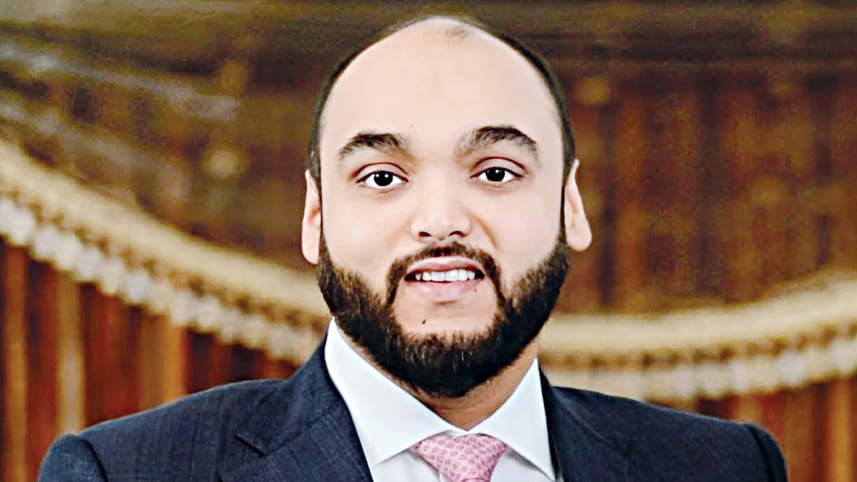
If we build a home with heart, our homes will stand forever.
TDS: What makes your developments stand out in today's market?
WSA: Our distinction is both emotional and practical. We prioritise human-centric layouts, quality craftsmanship and timeless finishes rather than short-term trends. Since 1992, we have delivered over 70 projects without compromising design or customer service. Client feedback illustrates impact: homeowners often say our spaces feel like homes rather than speculative units. For commercial buildings we emphasise wellness, natural light and functional circulation so tenants enjoy productive, healthy work environments and lower energy bills.

TDS: How does the company contribute to affordable housing and respond to buyer demand for smart or green features?
WSA: Though recognised for prime-zone projects, we pursue accessibility through product mix and financing. Developments in Shyamoli and Mirpur 14 provide mixed residential-commercial options for upper-middle buyers, with integrated retail and community amenities that lower daily living costs. We partner with local banks to offer low-interest mortgages and tailored payment plans to improve affordability. Market conversations show buyers prioritise green features most: many are willing to pay a modest premium for solar installations, efficient appliances, or certified materials. Our product strategy is to offer options that deliver long-term operating savings and better indoor comfort.
TDS: From your experience, what are the main barriers to project delivery and what policy change would you prioritise?
WSA: Project delivery is delayed by multi-agency approvals, slow land registration, high fees and occasional utility connection delays. These obstacles inflate timelines and discourage formal investment. If one policy could change, reducing property registration fees from 15% to a flat single-digit rate would be transformational: it would encourage formal sales, expand the tax base through higher transaction volumes, create construction employment and lower barriers for first-time buyers. Streamlining approvals and creating a single-window process would greatly reduce delays and uncertainty.
Comments