


Furniture Trivia
Furniture has always been more than just a collection of useful objects. They tell stories of human civilisation. From royal thrones to space-saving sofas, every piece we sit or sleep on carries centuries of craftsmanship, culture, and curiosity. Here are some fascinating furniture trivia facts that reveal how deeply our lives are intertwined with design and history.
1. The Origin of Furniture
 For all latest news, follow The Daily Star's Google News channel.
 The very word "furniture" has linguistic roots that reveal its purpose. It comes from the French fourniture, meaning "equipment," while related words across Europe derive from the Latin mobilis, or "movable." The definition itself reminds us that furniture evolved to make spaces adaptable and personal.
2. World's First Furniture Set
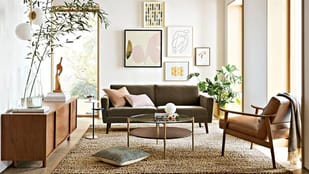
The oldest known furniture dates back over 5,000 years. At Skara Brae in Scotland, archaeologists unearthed stone beds, dressers, and seating built directly into Neolithic homes. These artefacts show that even our prehistoric ancestors sought comfort, order, and style in their living spaces.
3. Woodworking without Nails or Glue
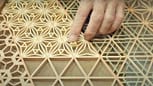
Far from medieval Europe, Japan was perfecting the art of precision and beauty. Kumiko is a traditional woodworking technique that uses meticulously cut wooden pieces to form geometric patterns without nails or glue. Originating during Japan's Asuka Period (538–710 AD), it's most commonly seen in shoji screens. Every groove and angle is carefully shaped to interlock perfectly, a stunning example of patience and artistry.
4. Unmovable Furniture
In medieval castles, tables and benches were often nailed to the floor. No, not for stability, but to prevent theft or loss during feasts and travels. The concept of movable furniture arrived much later, symbolising both practical innovation and a shift toward domestic comfort.
5. Power of Chair
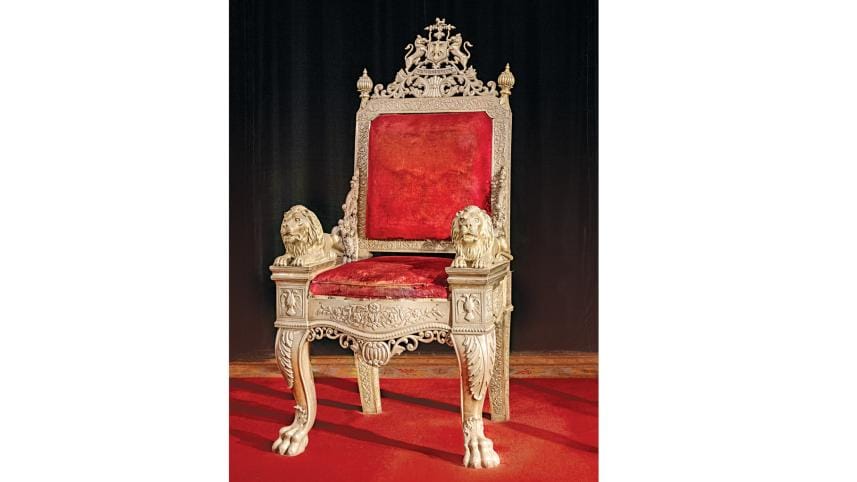
Ever wondered why we call someone a chairperson? The term "chairman" literally comes from furniture. In medieval times, only nobles or people of authority had their own chairs. Everyone else sat on benches or stood. Sitting in a chair was a symbol of status and leadership, a physical manifestation of power that still lingers in our language today.
6. Veneer: An Ancient Innovation
Think veneered furniture is a modern trick? Think again. Ancient Egyptians and later the Romans were masters of this technique. They glued thin layers of fine wood veneers over cheaper timber to create elegant finishes. This early form of craftsmanship shows that sophistication in furniture design is anything but new.

7. Luxury vs. Everyday Life in Ancient Egypt
Not all Egyptians sat in gilded glory. While pharaohs reclined on ornate bedframes and golden chairs, ordinary citizens used simple wooden stools or mats. In ancient Egypt, furniture reflected class and social hierarchy. This is a mirror of ancient society still visible in archaeological remains.
8. A Sofa with Arabic Roots
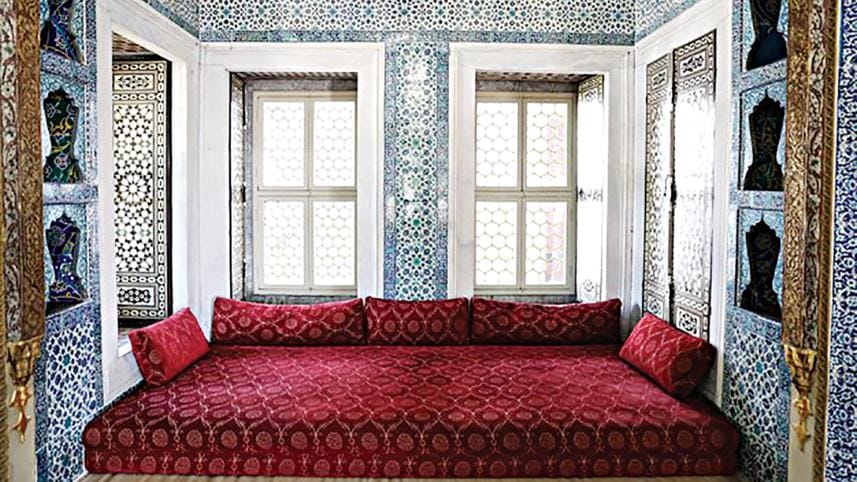
The cosy word "sofa" traces back to the Arabic Suffah, meaning a raised, cushioned platform. Over time, the idea and the word travelled through Turkish and French before settling into English. Today's sofas, in every shape and colour, are distant descendants of those early Middle Eastern comfort zones.
Comments