


A simple act of giving

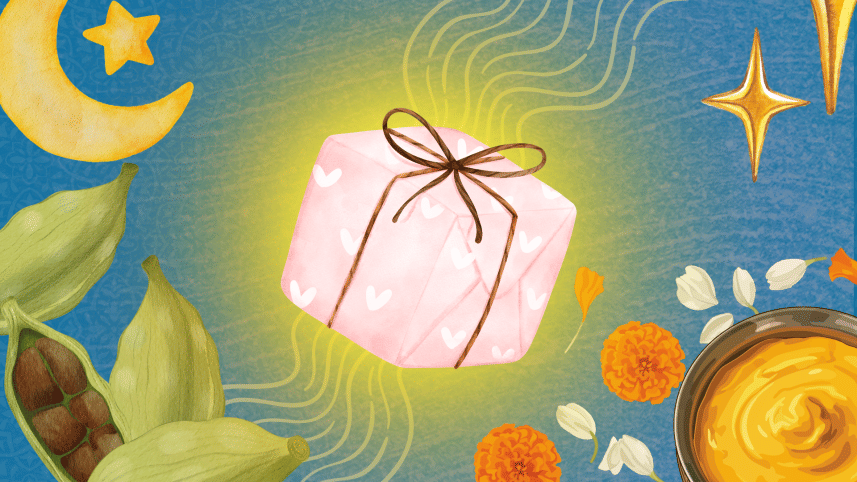
The sun rose like a warm golden yolk. It spilt over the rooftops of the sleeping city. It was the morning of Eid. The air was thick with the scent of cardamom and ghee. Amara woke up before her alarm. She was nine years old. This was her favourite day of the year. She jumped out of bed. Her new dress was hanging in the wardrobe. It was the colour of a summer sky. It had tiny silver beads that looked like stars. She touched the fabric softly. It felt like magic.
She ran down the hallway. Her grandfather, Dada-jan, was already in the kitchen. He was stirring a large silver pot. The steam rose in white clouds. He looked up and smiled. His face was a map of kind wrinkles. But his eyes looked a little worried.
 For all latest news, follow The Daily Star's Google News channel.
"Is the laccha shemai ready?" Amara asked. She reached for a spoon.
Dada-jan caught her hand gently. "Not yet, my little bird. The pot is full. The milk is sweet. But the secret ingredient is missing. The flavour will not stay."
Amara tilted her head. "Did we run out of saffron? I can go to the shop."
Dada-jan shook his head. He reached into a drawer. He pulled out a small wooden box. He placed it in her palms. It was very light. Amara opened it. The box was completely empty.
"This is the Eid Box," he whispered. "Every year, it must be filled before the midday prayer. If the box is empty, the feast is just food. If the box is full, the feast becomes a blessing. I am too old to walk the neighbourhood today. Will you fill it for me?"
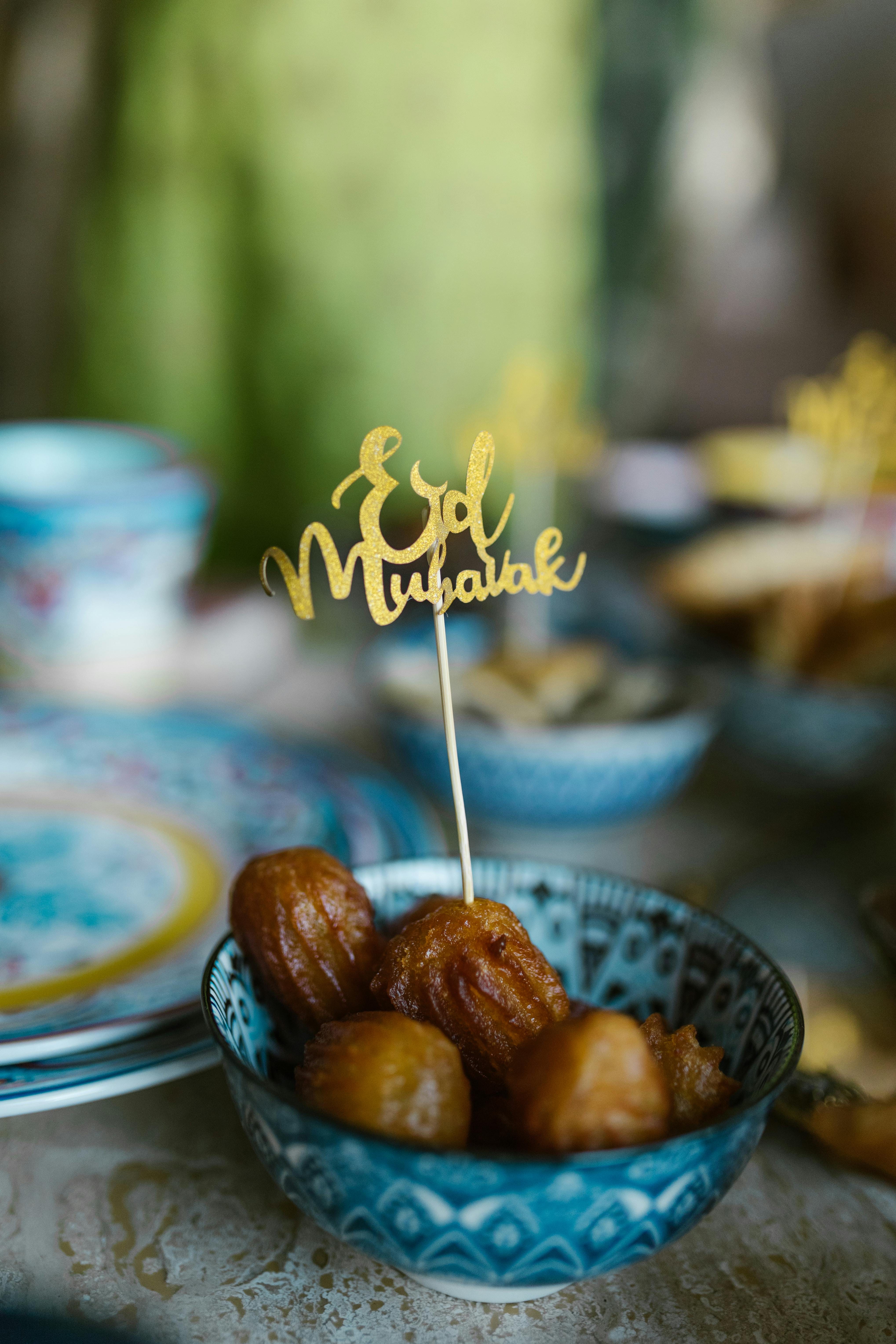
Amara was confused. "But there is nothing to put inside, Dada-jan. It is just air."
"Go outside," he said. "Look for the things that cannot be bought. Bring them back to your heart. The box will know."
Amara put on her sandals. She tucked the wooden box under her arm. The street was starting to wake up. Men were walking to the mosque in crisp white tunics. Children were laughing and showing off their hennaed hands. Amara felt a sense of purpose.
She saw Mrs Zari across the street. Mrs Zari was very old. She was trying to hang a heavy flower garland over her door. Her hands were shaking. The flowers were bright orange marigolds. Amara ran over to her.
"Let me help you," Amara said.
She stood on her tiptoes. She took the end of the garland. She looped it over the hook. Mrs Zari sighed with relief. She reached into her pocket. She pulled out a small piece of rose-flavoured candy.
"Thank you, child," Mrs Zari said. "You have given me rest today."
Amara felt a warm glow. She looked at the wooden box. It was still empty. But she felt a tiny weight inside her chest. She thanked the lady and moved on.
Further down the lane, she saw a boy named Sami. He was sitting on a stone step. He looked sad. He was wearing his old clothes. His family had moved to the city only a month ago. They did not have many friends yet. Amara stopped in front of him.
"Eid Mubarak, Sami," she said brightly.
Sami looked up. He seemed surprised. "Eid Mubarak," he replied quietly.
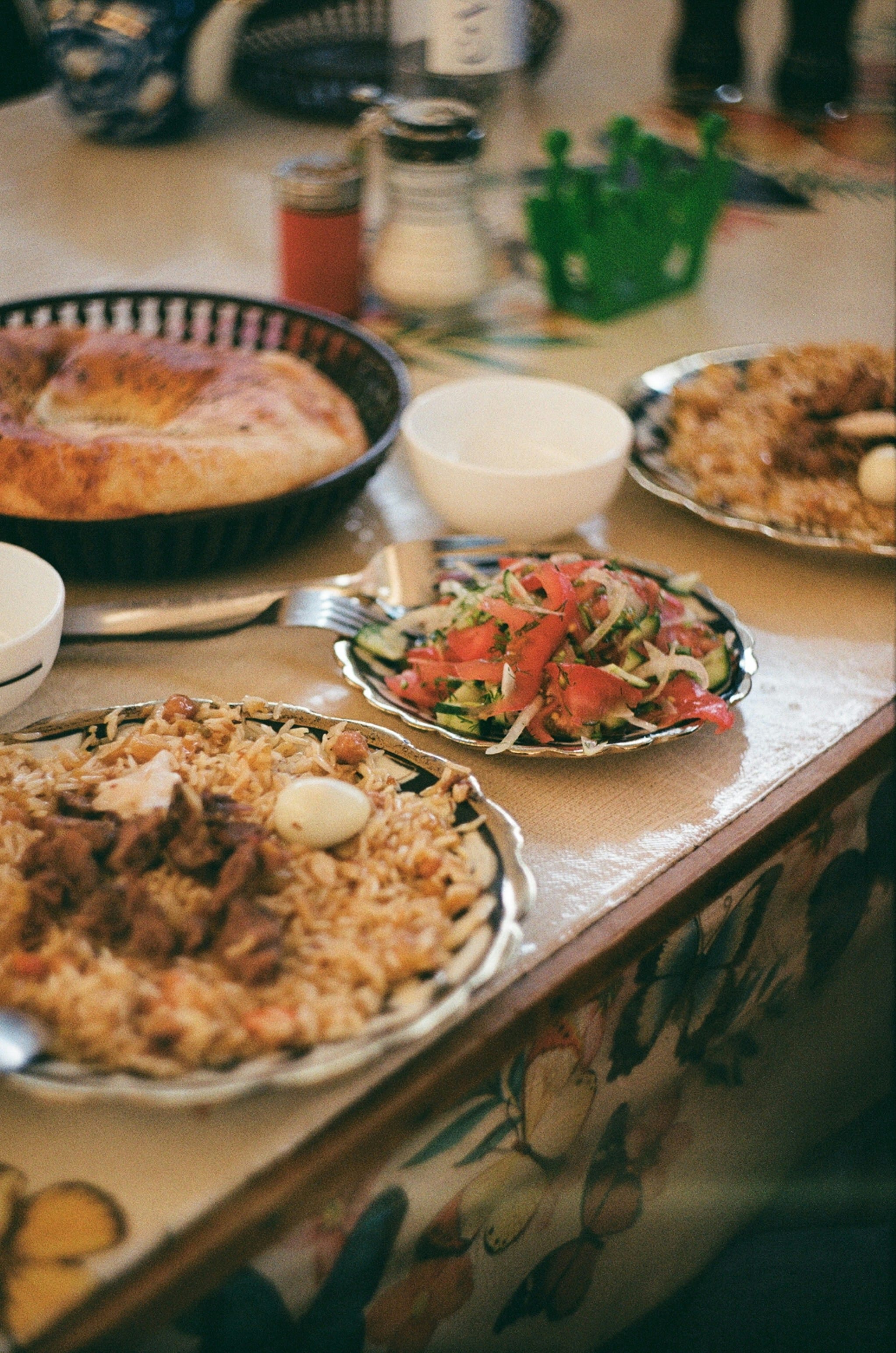
"We are having a big lunch at two o'clock," Amara said. "My Dada-jan makes the best polao and chicken roast in the world. You and your parents must come. Please?"
Sami’s face transformed. A huge grin broke across his features. It was like a light turning on in a dark room. "I will ask my mother! We would love to come!"
Amara felt the warm glow grow stronger. She walked toward the park. She saw the postman, Mr Hanif. He was still delivering the last of the Eid cards. He looked tired and sweaty. Amara ran to the public fountain. She filled a clean paper cup with cold water. She brought it to him.
"You are working so hard," she said. "Please have a drink."
Mr Hanif took the cup. He drank it all in one go. "You are a blessing, little one," he said. "That is the best gift I have received all morning."
Amara looked at her wooden box. She understood now. She turned and ran back home. The sun was high in the sky. The shadows were short. She burst into the kitchen. Dada-jan was still standing by the pot.
"Did you find it?" he asked.
Amara placed the box on the table. She didn't say anything. She just told him about Mrs Zari’s flowers. She told him about Sami’s smile. She told him about the postman’s thirst. As she spoke, the room seemed to brighten. The smell of the shemai changed. It became richer. It became perfect.
Dada-jan closed the empty box. He tapped the lid. "It is full to the brim," he declared. "You brought the spirit of the day back with you. Kindness is the only thing that doubles when you give it away."
That afternoon, the house was full. Mrs Zari came with her marigolds. Sami and his parents brought a dish of achari beef. Mr Hanif stopped by for a plate full of malai kebabs. Everyone laughed. Everyone shared stories. The food tasted better than ever before.
Amara sat at the table. She looked at the wooden box on the shelf. She realised that Eid was not a mystery to be solved. It was a feeling to be built. It was a bridge made of small, golden moments. She leaned against her grandfather.
"The box is heavy now, Dada-jan," she whispered.
He kissed the top of her head. "Yes, it is. And it will stay heavy all year long."
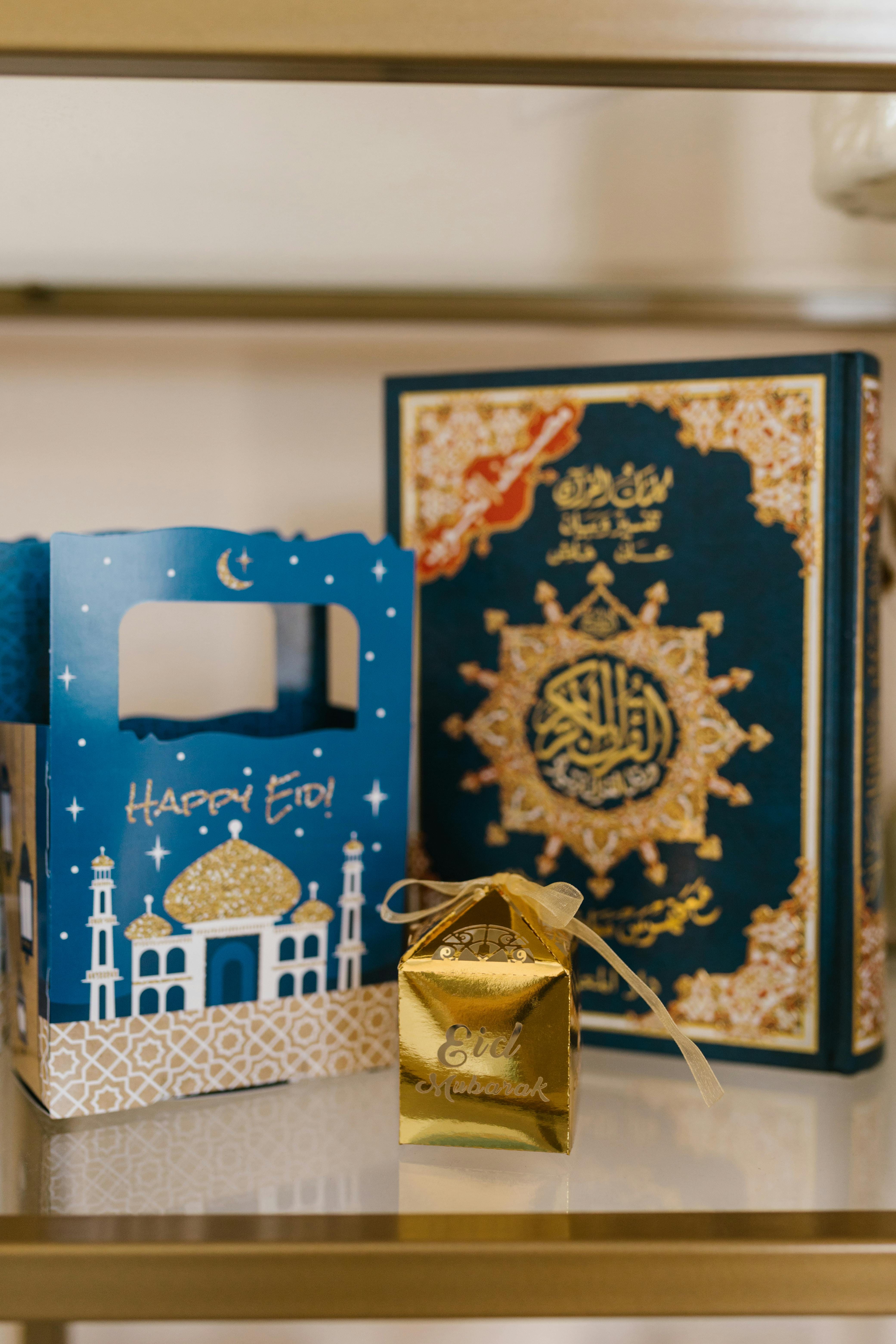
The silver beads on her dress caught the light. Outside, the city celebrated. But inside the small house on the corner, there was something more. There was peace. There was a community gathered around a single table. The moon would rise again that night. It would see a world made a little better by a girl and an empty box.
Eid was not just a day. It was a promise. It was the joy of belonging to each other. And that was the greatest treasure of all.
Comments