


Rivalry, rain and redemption: India, Pakistan set to face off in Colombo
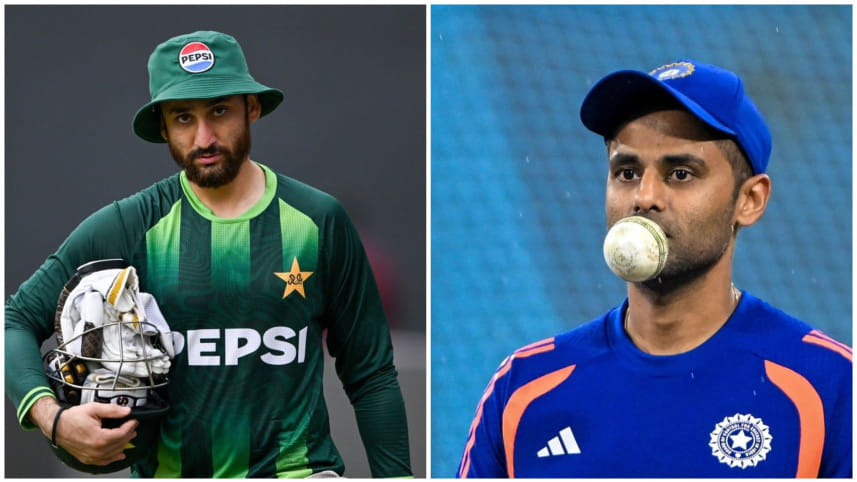
The cricketing world turns its eyes to Colombo on Sunday, where India and Pakistan prepare to renew one of sport’s fiercest rivalries in the Twenty20 World Cup -- a contest already bruised by controversy before a single ball is bowled.
The match will start at 7:30 pm Bangladesh time.
 For all latest news, follow The Daily Star's Google News channel.
 What should have been the tournament’s headline spectacle nearly collapsed in the days leading up to it.
Pakistan’s brief threat to boycott the fixture, later withdrawn after frantic negotiations, sent shockwaves through organisers and broadcasters and threatened to blow a hole in the World Cup schedule.
Only after intensive behind-the-scenes discussions led by the International Cricket Council was the marquee encounter rescued, preserving millions in commercial revenue and restoring the tournament’s centrepiece.
Yet even as political tension eases, another opponent looms -- one no boardroom deal can control.
A rivalry at the mercy of the weather
Forecasts have cast a shadow over the showdown. Sri Lanka’s meteorological authorities have warned that a developing low-pressure system over the Bay of Bengal could bring heavy rain, raising fears that the highly anticipated clash could be interrupted or even washed out.
In a rivalry defined by high drama, the possibility that nature itself might dictate the outcome adds another layer of uncertainty. Unlike diplomatic standoffs or strategic mind games, the weather offers no room for negotiation -- only patience.
Politics never far away
India and Pakistan rarely meet outside major multi-team tournaments, making every encounter feel bigger than cricket. This edition of the World Cup has carried an added geopolitical edge.
Regional dynamics shifted after Bangladesh were replaced in the 20-team lineup, a move that triggered wider debate about safety and touring commitments in the region.
Pakistan’s solidarity-driven boycott threat briefly placed the tournament on the brink before compromise prevailed, reminding everyone how tightly sport, commerce, and diplomacy are intertwined.
History favours India -- but rivalries ignore history
On paper, India enter with a clear statistical advantage. The defending champions hold a dominant 7–1 record against Pakistan in T20 World Cup history and reinforced that superiority during last year’s Asia Cup, where they defeated their rivals three times -- including a heated final marked by tense exchanges and notably awkward post-match interactions.
Still, former India captain Rohit Sharma has warned against complacency.
“It’s such a funny game. You can’t just assume it’s two points in the bag. You have to play good cricket on that particular day.”
His words reflect the strange balance this fixture demands: history shapes expectations, but pressure resets everything once the players step onto the field.
India’s edge -- and questions
Both sides arrive unbeaten after two wins, though India appear more settled. Opener Abhishek Sharma has lit up the tournament but remains doubtful due to illness, potentially forcing changes at the top of the order. Ishan Kishan’s reinvention as a stabilising presence has strengthened the batting, while captain Suryakumar Yadav has rediscovered rhythm at the perfect time.
The bowling attack looks equally balanced -- mystery spinner Varun Chakravarthy provides control and unpredictability, Jasprit Bumrah remains the pace spearhead, and Hardik Pandya’s all-round influence ties the lineup together.
Pakistan, meanwhile, rely on momentum and unpredictability. Opener Sahibzada Farhan has impressed early, though questions remain around consistency in the middle order, particularly the tempo of senior batters. Captain Salman Agha hopes spin options -- including the unusual action of off-spinner Usman Tariq -- can unsettle India’s aggressive hitters.
The handshake question
While runs and wickets will decide the match, one small ritual has become an unexpected subplot.
Last year’s Asia Cup meetings ended with visible tension and avoided handshakes, an image that lingered long after the result. Agha has spoken about restoring normalcy.
“The game should be played in the true spirit of cricket,” he said, expressing hope that both teams would shake hands this time.
Yadav, however, chose to keep the mystery alive.
“I’ll break the suspense tomorrow. Let’s play the game first.”
And so the buildup continues -- rain clouds gathering overhead, political tremors still felt, and a simple post-match gesture now carrying symbolic weight.
Comments