


Why we fail to understand ourselves
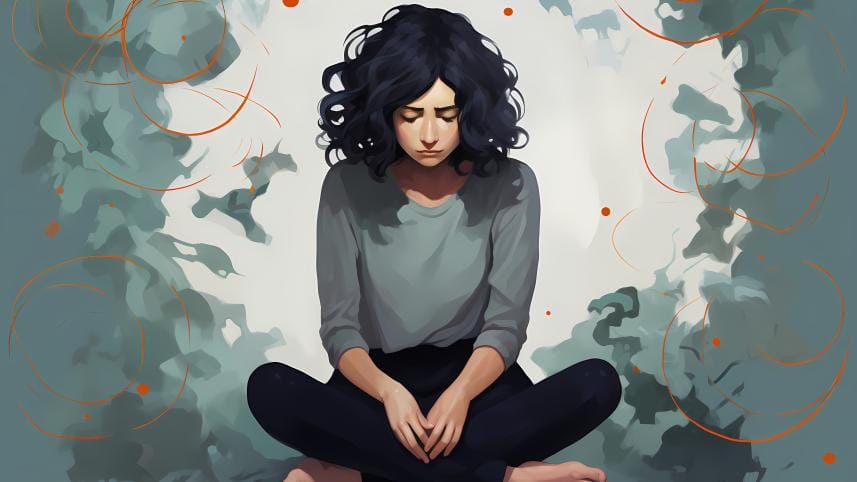
A few years ago, I made an acquaintance who had over four thousand Facebook friends. His posts were daily confessions of self-pity; how no one understood him, how the world had failed him. Despite his virtual crowd, he had no one to talk to. I, a stranger who had seen him just once, reached out. We talked, A LOT. He told me he had no one to confide in and no one "gets" him. But as our conversations went on, I realised something unsettling; he didn't really know who he was, except through the incidents that had taken place in his life. His entire identity was built around victimhood. His idea of "self" is people have done him wrong, a story of suffering, not of self.
I once asked him, "You say no one understands you but can you show me anyone you have fully understood?" He went silent. Not long after, we drifted apart.
 For all latest news, follow The Daily Star's Google News channel.
 However, his story felt very familiar. Our generation confuses visibility with being understood. We document our stories online, crossing fingers that someone will truly "see" us. But being seen is not the same as being known. Social media taught us to narrate our wounds, but did it ever teach us how to sit with them? We curate our pain like content, we rehearse our tragedies until they become our personalities. Yet, this performance of vulnerability creates only an illusion of intimacy. Thousands of people may witness us but no one truly connects. The loneliness in our age does not come from lack of communication but from an overload of shallow, inauthentic interactions. Everyone knows something about us but almost no one makes us feel known.
What I find strange is that our generation knows more psychological terminology than any before us. We speak in labels, theories, and spontaneously diagnose ourselves and others. We can explain phenomena like "attachment styles", "love-language", "disassociation", "separation anxiety" and whatnot. And yet, somehow we feel more lost than the people who didn't have these vocabulary.
People you meet leave, but the conversations keep you up at night. I kept wondering; what does it really even mean to "understand" someone? These days we often call ourselves empathetic because we trace people's bad behaviour (and ours as well if I am being honest) back to childhood wounds or trauma. We think being "understanding" means excuses. It has become a generational reflex; when you see someone taking a not so positive action, you try to be "understanding" and think to yourself that it happened because they went through something traumatic. We justify negative behaviours of ourselves and others by trying to plot maps of traumatic things that happened in childhood.
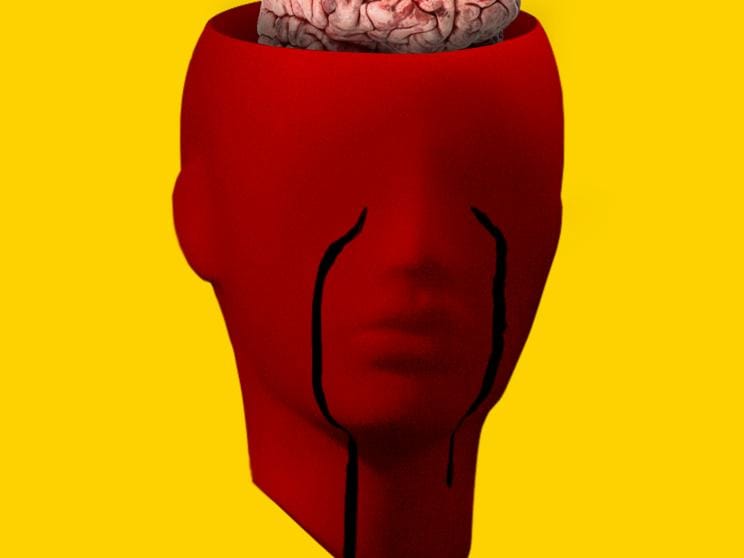
Another friend of mine consistently complained that his partner didn't "understand" him. Yet, he lied to her repeatedly and begged us to hide the truth. So my question is, when did understanding someone become the same as excusing horrible actions? We have turned the language of psychology into a shield. We throw around words like attachment style, gas-lighting, triggered, inner child, as if naming the wound replaces changing the behaviour. It's easier to say "I'm toxic because I'm traumatised" than to admit "I hurt people because I refuse to take accountability." We demand compassion while refusing honesty. Somewhere in this blur of therapy-terms and emotional shortcuts, accountability disappears. Understanding the cause of pain does not erase the effect of harm. Empathy should not turn into moral blindness.
How can we expect to be understood when we are constantly hiding from others and ourselves? And if we don't understand ourselves, how do we even know whether someone else understands us?
It's easier to say "I'm toxic because I'm traumatised" than to admit "I hurt people because I refuse to take accountability." We demand compassion while refusing honesty. Somewhere in this blur of therapy-terms and emotional shortcuts, accountability disappears. Understanding the cause of pain does not erase the effect of harm. Empathy should not turn into moral blindness.
What I find strange is that our generation knows more psychological terminology than any before us. We speak in labels, theories, and spontaneously diagnose ourselves and others. We can explain phenomena like "attachment styles", "love-language", "disassociation", "separation anxiety" and whatnot. And yet, somehow we feel more lost than the people who didn't have these vocabulary. It's like knowing all the places on the map and still being lost. Our grandparents didn't use words like "identity fragmentation", yet they lived with a stronger sense of who they were. It makes me wonder, have we mistaken naming our feelings for understanding them? Previous generations lived with less vocabulary and more clarity. Our generation, however, has turned self-analysis into a full-time job. We want perfect clarity before we take a single step. We analyse ourselves to the point that we forget to "live". We pick ourselves apart looking for answers and in the process, we tear the fabric that holds us together. The more we try to define ourselves, the harder it becomes to live inside those definitions.
We forget that we are not math problems on a blackboard, ready to be figured out. We don't need to solve ourselves to live our lives. We get so obsessed with finding the "meaning of our life" that we forget that the path itself is what gives our life its beauty. Understanding someone goes far beyond knowing information about them, like their favourite colour, favourite restaurant, trauma and past. The truth is, maybe we cannot fully understand anyone at all, because we are constantly changing. The "self" is not a fixed object to decode but an ongoing process to engage with.
Our grandparents didn't use words like "identity fragmentation", yet they lived with a stronger sense of who they were. It makes me wonder, have we mistaken naming our feelings for understanding them?
So instead of seeking a final, perfect understanding of ourselves, the real work might be way simpler: figuring out the conditions in which we function best.
Understanding yourself doesn't mean memorising psychology terms. Real insight comes from noticing your patterns, not theories. It comes from knowing true intent, how we act under pressure, how we love, how we break, and how we recover. If anything, our generation has more vocabulary about the human mind than any generation before us, yet we are diving deeper into identity crises. Because understanding doesn't come from reading, it comes from living to your fullest, while being true to yourself. We don't learn to swim by studying about water, we learn by stepping into it.
Sazida Nahrin Auhona is an undergrad student who lives somewhere between art, literature, and philosophy. You can reach out to her at auhonanahrin@gmail.com
Send your articles for Slow Reads to slowreads@thedailystar.net. Check out our submission guidelines for details.
Comments