Emerging pollutants and public health risks in Bangladesh
Public health in Bangladesh is facing serious threats due to the presence of emerging pollutants in the environment. Emerging pollutants are natural or artificially created chemicals that are not usually controlled or monitored by legislative agencies. Although they are present in very small amounts (at nanogram to microgram levels) in the environment, in recent years they have caused widespread concern due to their potential for gradual accumulation in the bodies of animals, as well as their persistence and toxicity. Nowadays, emerging pollutants are found not only in wastewater treatment plants and municipal solid waste but also in air, soil, and aquatic environments in alarming amounts.
These emerging pollutants include antibiotics, pesticides, microplastics, industrial chemicals, and materials such as cosmetics and nanomaterials. Antibiotics are a type of medicine used in animals to treat bacterial infections by destroying bacteria or inhibiting their growth. Cosmetics are various products used in daily life, such as soap, shampoo, lotion, perfume, and face wash. These cosmetics contain ingredients such as fragrances, preservatives, and microbeads. Pesticides are chemicals used to kill or control pests, including weeds, fungi, and rodents, and are commonly used in agriculture to protect crops. Industrial chemicals are mainly used in various industrial processes, such as chemical solvents, heavy metals (such as lead, cadmium, and mercury), flame retardants, and others. Microplastics are small particles of plastic, usually smaller than five (5) mm in size. They are typically produced through the deformation or deterioration of various plastic products, such as bottles, bags, and other packaging materials. Microplastic fibres also enter the environment directly from microfibres and textiles used in products such as creams and face washes.
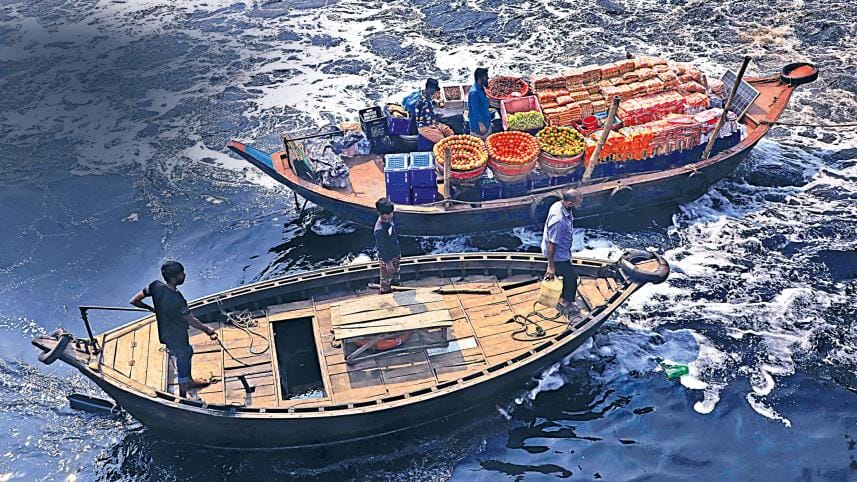
Emerging pollutants in Bangladesh are primarily generated from pharmaceuticals, industrial factories, and household waste. Various types of antibiotics and chemical waste from pharmaceutical industries are entering water bodies. Industrial sectors such as textile and leather processing are polluting water bodies by discharging contaminated water containing various types of heavy metals, dyes, and microplastics. On the other hand, the excessive use of pesticides and fertilisers in agriculture is polluting rivers and groundwater. In addition, inadequate waste management and sewage systems are spreading household waste and plastic waste into the environment. The rapid progress of industrialisation, urbanisation, and agricultural expansion in Bangladesh has accelerated the presence of these pollutants in the environment.
Bangladesh’s rivers and canals are often used for domestic purposes, agricultural irrigation, and fish farming. These water bodies are polluted with antibiotics, pesticides, heavy metals, and microplastics. Fish and other aquatic organisms in polluted water bodies can accumulate emerging pollutants such as pharmaceutical residues, pesticides, and microplastics in their tissues. Consuming these contaminated fish as food poses a risk of toxins gradually entering and accumulating in the human body. In addition, agricultural products irrigated with contaminated water pose a similar risk. In urban areas, microplastics and chemicals enter the body through the air, causing respiratory problems, especially among children and the elderly. Moreover, exposure to contaminated soil and water in industrial areas increases the risk of harmful chemicals entering the bodies of farmers, fishermen, and people living nearby.
Public health in Bangladesh faces multiple challenges. A large portion of the population is still unable to access improved healthcare, resulting in serious health problems that are increasing day by day. Malnutrition, infectious diseases, and air and water pollution are having adverse effects on public health. Children and the elderly are particularly vulnerable to these challenges. Due to an underdeveloped healthcare system, shortages of doctors and health workers, and a lack of accurate information, many people are deprived of adequate healthcare. In this situation, the widespread presence of emerging pollutants is further reducing quality of life and increasing mortality rates among the population.
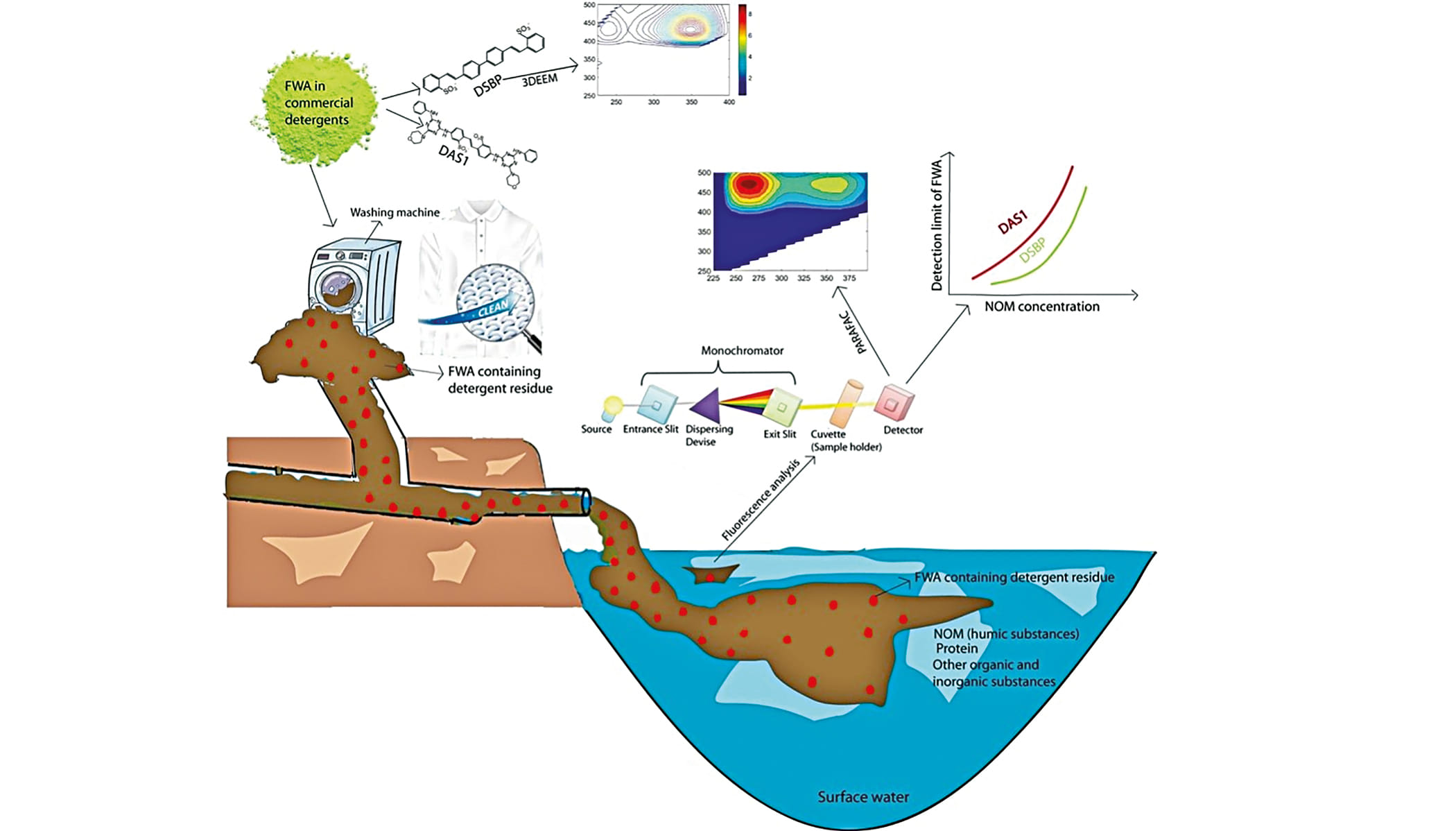
Various studies conducted by the Hydrobiogeochemistry and Pollution Control Laboratory of the Department of Environmental Science at Jahangirnagar University have shown that the rivers, canals, beels, and other water bodies of Bangladesh are being polluted by emerging pollutants. One study found that the excessive use of antibiotics is causing residues in the environment, which can be dangerous for public health. Human and animal medical waste has been identified as the main source of this pollution. The study also found that residues of various antibiotics, such as ciprofloxacin, clarithromycin, amoxicillin, clindamycin, and many others, were present in river water, with ciprofloxacin and clarithromycin recorded at the highest concentrations. In addition, residues of detergents and a type of chemical known as a fluorescence whitening agent were also found in river water, which can cause various health problems, including cancer. These substances also increase the risk of eczema, allergies, and skin infections. Fluorescence whitening agents are popular brighteners that are widely used in commercial detergents to increase brightness. One study has shown that rivers and streams near industrial areas contain high levels of fluorescence whitening agents.
Various pesticides, such as organophosphates, carbamates, and organochlorines, have also been found in these water bodies, as well as in water bodies located near irrigated agricultural lands. In addition, recent studies have shown that microplastics are present in salt, sugar, tea leaves, packaged milk, and even flour. Large amounts of microplastics have also been detected in various rivers, canals, and beels across Bangladesh. Microplastic contamination has been found in both water and sediment samples collected from freshwater bodies. Studies have further shown that microplastics are accumulating in the meat and intestines of fish, which can enter the human body through the food chain. Microplastics usually enter rivers through urban wastewater, industrial waste, and agricultural runoff. Landfill sites, where plastic waste accumulates, have been identified as a major source of microplastic pollution. Over time, products such as plastic bags, bottles, and packaging materials break down into tiny particles, which are converted into microplastics. The studies also found that wastewater treatment plants serving the textile industry are among the most significant contributors to microplastic pollution. In addition, microplastic pollution also occurs through transboundary rivers. These pollutants have a negative impact on water quality and aquatic ecosystems.
Emerging pollutants pose a major public health risk in Bangladesh. They have long-term effects and can slowly accumulate in the human body, causing serious health problems. One of the biggest concerns is the rise of antibiotic resistance. The presence of antibiotic residues in food, water, and the environment contributes to the development of antibiotic-resistant bacteria. When bacteria are exposed to low levels of antibiotics, they can develop resistance, making infections increasingly difficult to treat. This problem is further aggravated by the excessive and unnecessary use of antibiotics. As a result, antibiotic resistance leads to increased mortality, higher medical costs, and prolonged hospital stays.
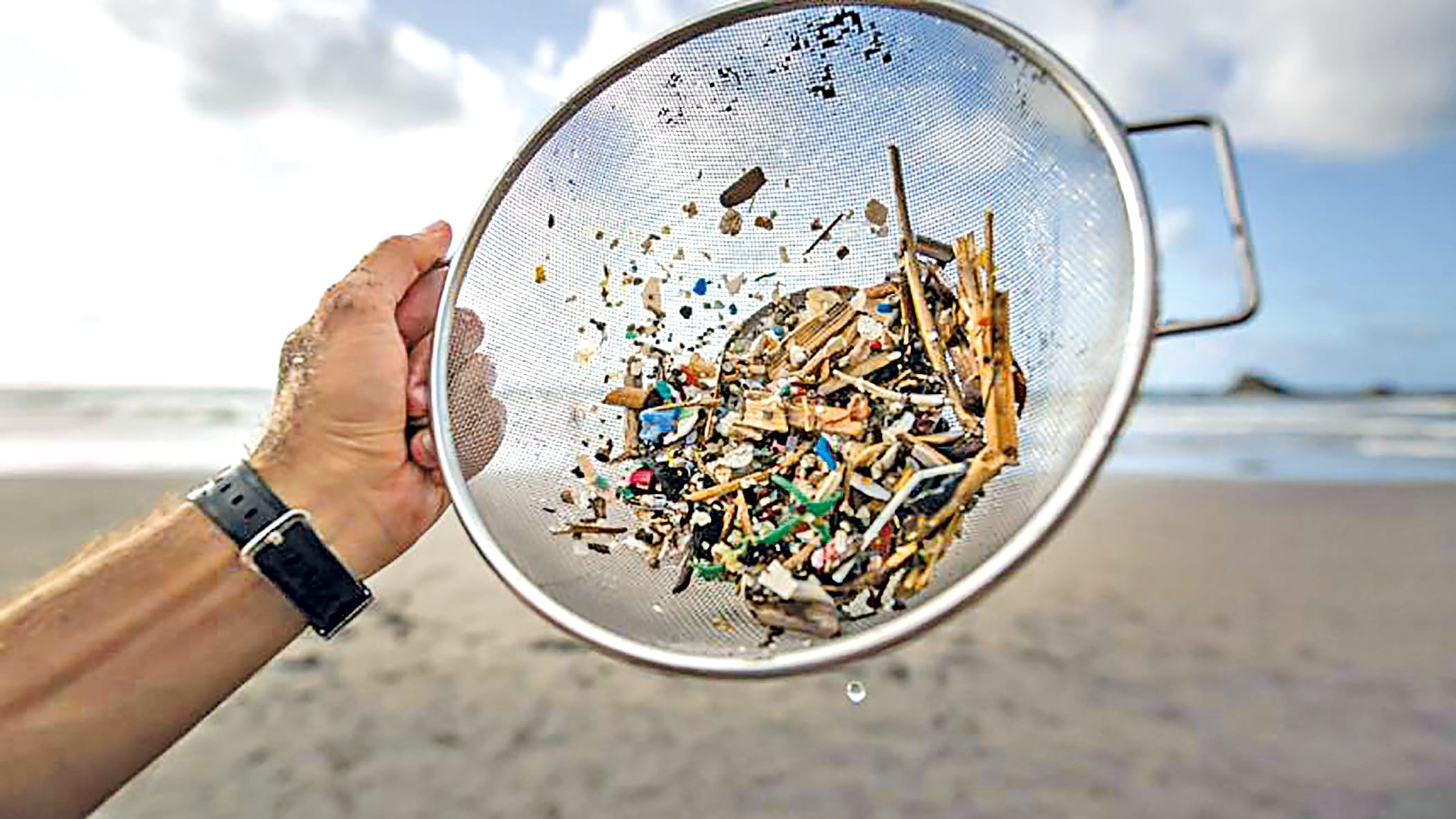
Microplastics have also been identified as a major environmental hazard in Bangladesh. Microplastics contain various harmful chemicals, such as phthalates, bisphenol A, and polyvinyl chloride, which can disrupt the body’s hormonal system. This disruption can lead to serious diseases, including reproductive health problems, stunted growth, and cancer. In addition, microplastics are associated with various chemical additives, such as plasticisers, antioxidants, stabilisers, and dyes, which can also be harmful to human health. Polystyrene microplastics, in particular, are harmful to the human body, as they can disrupt kidney function, damage mitochondria, and cause inflammation. Studies have shown that microplastics can enter the lungs through inhalation, leading to oxidative stress, cellular damage, and cytotoxicity. Some studies have even detected microplastic fibres in the lung tissue of lung cancer patients.
Moreover, microplastics can absorb heavy metals such as nickel, cadmium, lead, copper, and titanium onto their surfaces, increasing the risk of cancer in the human body. Among these heavy metals, cadmium, lead, and mercury are particularly harmful, as they significantly increase cancer risk. In addition, these metals have neurotoxic effects, which can severely disrupt brain development in children. As a result, the risks of cognitive impairment, developmental delays, and behavioural problems among children increase. The shortage of clean water is also becoming more acute in Bangladesh. Since conventional water treatment plants are unable to remove emerging pollutants effectively, contaminated water poses an increased risk of long-term health problems, particularly for people who directly use untreated or inadequately treated water.
It is very important to take urgent steps to reduce the public health risks posed by emerging pollutants in Bangladesh. Several strategies can be adopted to reduce the impact of these pollutants. First, wastewater treatment plants need to be made more modern and effective. This will help prevent pharmaceuticals, industrial chemicals, and microplastics from entering freshwater bodies. Through improved waste management, it will be possible to properly treat and dispose of waste, which will reduce pollution in the environment. Therefore, Bangladesh should invest in modern infrastructure and increase the capacity of wastewater treatment plants.
Second, the government needs to implement strict rules and policies to ensure the proper use and disposal of pharmaceuticals, agrochemicals (chemicals used in agriculture), and industrial waste. This will help stop the uncontrolled spread of these pollutants into the environment. Environmental quality monitoring must be strengthened and made more effective. This will make it easier to control the levels of pollutants in water, air, and soil. Along with this, regular environmental standards must be enforced so that overall pollution levels can be reduced.
Third, it is very important to raise awareness among the general public. Public education can inform people about the dangers of emerging pollutants and encourage them to adopt sustainable practices, such as reducing the use of plastics, disposing of pharmaceutical waste properly, and limiting the use of pesticides in agriculture. Fourth, it is essential to increase research on emerging pollutants and their harmful effects on human health. New research can help identify better ways to control emerging pollution. Scientific innovation in emerging pollution control and waste management needs to be encouraged further, as it can provide new and effective solutions.
In short, to reduce the impact of pollution, emphasis should be placed on infrastructure development, strict policy implementation, awareness raising, and research, so that both the environment and public health are adequately protected.
Dr Shafi Mohammad Tareq is a Professor in the Department of Environmental Sciences at Jahangirnagar University and a Chartered Environmentalist (UK).
Send your articles for Slow Reads to slowreads@thedailystar.net. Check out our submission guidelines for details.

Islamic banking’s problem is the model, not the name
What India and Bangladesh get wrong about the Teesta
The unanswered questions of the Ganges Barrage

From seconds to hours: How reels are changing the way we think

Why do some men sexually abuse children?

How Islamic is Islamic banking?
Pay now or pay forever: What should Bangladesh's energy budget priorities be?

Can Bangladesh achieve energy sovereignty? A new perspective
Who will answer for Bangladesh’s ecological wounds?