


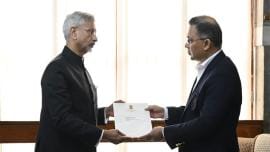
Analysis / A positive move but requires more understanding
2 January 2026, 12:21 PM
News
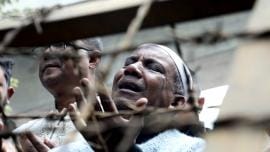
‘We have become orphans’
1 January 2026, 13:24 PM
News

Tarique Rahman thanks all concerned for dignified farewell of Khaleda Zia
1 January 2026, 03:55 AM
News

Hasina can’t evade responsibility for Khaleda Zia’s death: Nazrul
31 December 2025, 16:10 PM
News

Diplomats from 32 countries to attend Khaleda Zia’s janaza
31 December 2025, 07:54 AM
News

South Asian officials attend Khaleda Zia’s funeral
31 December 2025, 07:34 AM
News
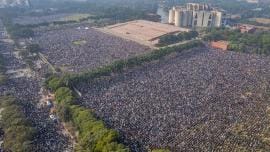
Ocean of mourners gather to pay tribute to Khaleda Zia
31 December 2025, 05:50 AM
News
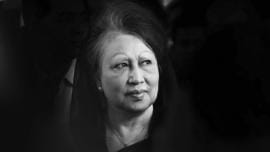
Bangladesh observing state mourning over Khaleda Zia’s death
31 December 2025, 04:08 AM
News
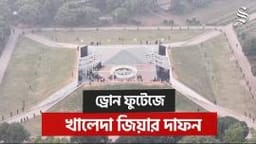
Khaleda Zia laid to eternal rest
31 December 2025, 03:34 AM
News

DMP announces traffic diversions, restrictions for Khaleda Zia’s janaza
30 December 2025, 14:50 PM
News
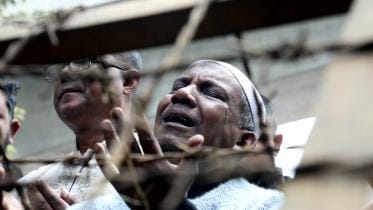
‘We have become orphans’
Crowds continue to gather at Khaleda Zia’s grave today; Firoza stands silent
1 January 2026, 13:24 PM

Tarique Rahman thanks all concerned for dignified farewell of Khaleda Zia
Expresses gratitude to CA, state agencies, foreign missions, security forces, journalists
1 January 2026, 03:55 AM

Hasina can’t evade responsibility for Khaleda Zia’s death: Nazrul
In 2018, Khaleda walked into jail, but came out seriously ill, he says
31 December 2025, 16:10 PM

Diplomats from 32 countries to attend Khaleda Zia’s janaza
Ambassadors, high commissioners and heads of international organisations among attendees
31 December 2025, 07:54 AM

South Asian officials attend Khaleda Zia’s funeral
Indian foreign minister and Pakistan’s National Assembly speaker among them
31 December 2025, 07:34 AM
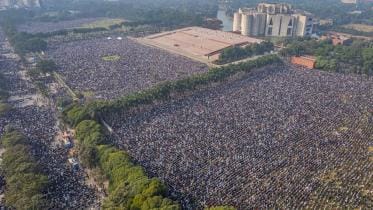
Ocean of mourners gather to pay tribute to Khaleda Zia
Crowds spilled over into surrounding areas, with large gatherings seen in Farmgate, Karwan Bazar and nearby localities
31 December 2025, 05:50 AM
Bangladesh observing state mourning over Khaleda Zia’s death
Special prayers will be offered in mosques nationwide on Friday
31 December 2025, 04:08 AM

Khaleda Zia laid to eternal rest
Buried with state honours beside her husband Ziaur Rahman
31 December 2025, 03:34 AM

DMP announces traffic diversions, restrictions for Khaleda Zia’s janaza
Diversions to take effect from 7:00am tomorrow, says police
30 December 2025, 14:50 PM

DU, CU and JU suspend activities to mourn Khaleda Zia’s death
Declare three-day mourning with flags at half-mast and special prayers
30 December 2025, 13:51 PM

Metro rail to run additional trips tomorrow for Khaleda Zia’s janaza
Her janaza to be held at 2pm tomorrow
30 December 2025, 13:16 PM
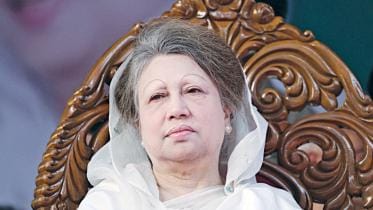
Top foreign dignitaries to attend Khaleda Zia’s funeral
Indian external affairs minister and Pakistan’s foreign minister among likely attendees
30 December 2025, 13:09 PM

‘Country has lost a guardian, not just a party leader’
Khaleda Zia’s physician Zahid recalls spending 484 days by her side during treatment
30 December 2025, 11:44 AM
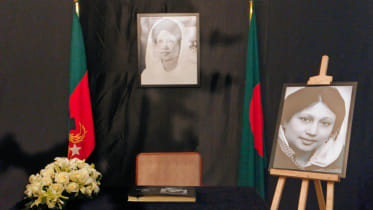
Diplomats sign condolence book for Khaleda Zia at BNP office
Envoys from several countries pay respects at Gulshan office following former prime minister’s death
30 December 2025, 11:01 AM
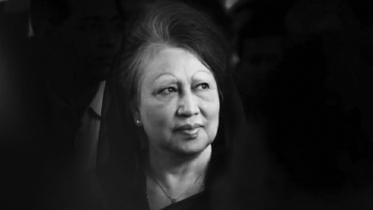
Khaleda Zia’s janaza to be held with full state honours tomorrow
Interim government finalises security and funeral arrangements
30 December 2025, 10:51 AM
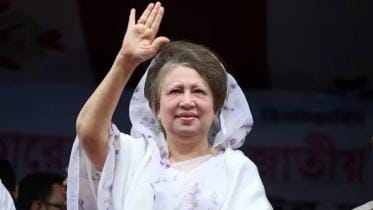
Artistes mourn the passing of Khaleda Zia
Bangladesh is mourning the passing of Begum Khaleda Zia, the country’s first female prime minister and one of the most influential figures in its political history. Her death marks not only the end of a long and turbulent political chapter, but also a moment of collective reflection on leadership, resilience, and the struggle for democracy. Khaleda Zia passed away on December 30, 2025, at the age of 79. She breathed her last at around 6am, today, at Dhaka’s Evercare Hospital after a prolonged illness.
30 December 2025, 10:31 AM

Condolences pour in from world leaders over Khaleda Zia’s death
World leaders, including the prime ministers of India and Pakistan, have extended deepest condolences on the passing of former prime minister Begum Khaleda Zia..Besides, countries like the US, China, Japan, Germany, France, and Iran have expressed condolences..Indian Prime Minister N
30 December 2025, 10:22 AM

A tender mother and an unbreakable leader: Tarique remembers Khaleda Zia
He pays tribute in Facebook post, recalling personal loss and her national role
30 December 2025, 10:07 AM
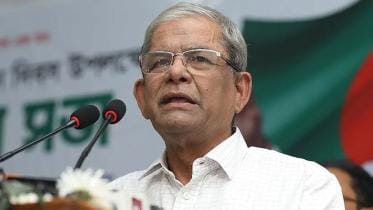
Khaleda Zia’s janaza to be held at 2pm tomorrow
She is to be buried beside the grave of her husband after Janaza
30 December 2025, 09:03 AM
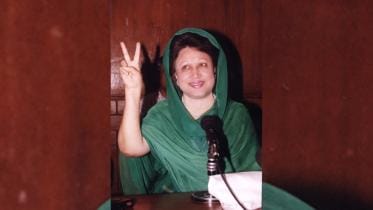
The night she won, and the legacy that followed
Khaleda's victory in 1991 marked her formal arrival, but the story began long years before
30 December 2025, 08:52 AM
Show in Mobile App
Off
Show Sub Category
Off
Show in Homescreen
Off
Weight
0