


A fistula-free Bangladesh is within reach

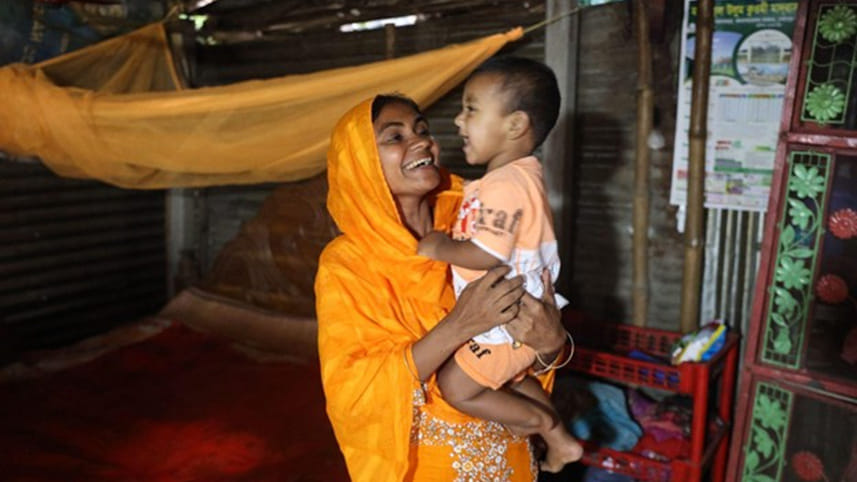
Every woman has the right not only to survive childbirth, but also to live with dignity thereafter. Yet, for thousands of women in Bangladesh, childbirth marks the beginning of profound loss, pain and isolation. Obstetric fistula is one of the most devastating childbirth injuries. It usually results from a lack of quality and timely care during labour and birth, and continues to rob women of their health, dignity, and place in society. Most women lose their children during a very difficult and prolonged labour and then suffer alone for years, leaking urine or stool continuously, abandoned by families, excluded from communities, and forgotten by the health system. This year, on the International Day to End Obstetric Fistula, the global theme is “Her health is a right: invest in ending fistula and childbirth injuries.”
The country has committed to ending obstetric fistula by 2030. According to the most recent national estimates, around 20,000 women aged 15-64 years are living with obstetric fistula in Bangladesh. With less than four years remaining, the nationwide collective effort to find and treat every woman living with an obstetric fistula and to address the root causes is more urgent than ever.
 For all latest news, follow The Daily Star's Google News channel.
 Bangladesh joined the global Campaign to End Fistula in 2003, and since then, the country has made steady progress. Today, the country has 35 Fistula Corners in public hospitals and more than 20 designated repair centres nationwide. According to the national fistula annual report, between 2019 and 2025, Bangladesh repaired more than 3,500 genital fistula cases, with surgical success rates exceeding 90 percent.
A terrifying new trend is another form of obstetric fistula, known as iatrogenic fistula, caused by poor-quality surgical procedures, particularly caesarean sections and hysterectomies. Urgent regulation of quality and medically indicated caesarean section and hysterectomy is needed to protect women from this profound disability.
Behind each woman living with a fistula or those who have received treatment is a deeply moving story of a woman who suffered for years with pain, loss and no hope. Nearly one-third of women had been living with a fistula for more than 20 years before receiving treatment. Many were married as adolescents, delivered at home without a skilled birth attendant, and developed fistula following prolonged obstructed labour.
For every maternal death, many more women suffer severe maternal morbidities and lifelong disabilities, one of which is obstetric fistula. Obstetric fistula is usually a “near miss” case—a case where we nearly lost the life of a mother. This reminds us that maternal health cannot be measured by survival alone.
Preventing obstetric fistula starts with ensuring every woman has access to quality maternal healthcare across the continuum of care, from communities to health facilities, encompassing adolescent health, voluntary family planning, antenatal care, institutional delivery, postnatal care, and effective referrals for managing complications. Every delay in recognising complications, reaching care, and receiving quality treatment increases the risk of obstetric fistula, other severe complications, and, in some cases, maternal and newborn death. National and global evidence shows that midwife-led maternity care can significantly prevent and manage obstructed labour, increase hospital births and decrease home deliveries, and strengthen early referrals—all key to preventing obstetric fistula.
One of the biggest remaining challenges is reaching every woman living with the condition. The majority hide because of shame, fear, stigma, or simply because they do not know that treatment is possible. That is why Bangladesh must now shift from passive case detection to active case finding. The health system, with support from communities, must reach those women at their doorsteps, counsel them, bring them to health facilities, ensure treatment, and fully rehabilitate them.
The country has already embarked on this approach. In 2025, under the leadership of local health authorities, 349,431 households were screened to identify suspected obstetric fistula cases across 10 upazilas in six districts. Eighty-seven suspected cases were identified, 32 cases confirmed, 18 repaired so far, while the remaining are awaiting surgery, and 15 women have already received rehabilitation support. Frontline health workers, midwives, family welfare assistants, health assistants, and community volunteers were all engaged in making the campaign successful.
Bangladesh has rolled out its Third National Strategy to End Obstetric Fistula (2023-2030), providing a detailed roadmap for action, including active case detection, which, if fully implemented, can yield the desired results. These approaches now need a nationwide scale-up.
The work is too important and urgent. It calls for the strongest possible coordination and collaboration among government ministries and departments, professional bodies, civil society, communities, and development partners. We know what works. What is needed now is the political will, investments in deploying midwives at union health facilities, equipping district hospitals with 24/7 obstetricians and anaesthetists with all that is required for emergency C section and a concerted effort to identify and refer every woman with a fistula for treatment. Only then will we be able to eliminate obstetric fistula in Bangladesh by 2030.
Catherine Breen Kamkong is UNFPA representative in Bangladesh.
Views expressed in this article are the author's own.
Follow The Daily Star Opinion on Facebook for the latest opinions, commentaries, and analyses by experts and professionals. To contribute your article or letter to The Daily Star Opinion, see our guidelines for submission.
Comments