


Ducsu should be able to play a stronger role in ensuring quality food

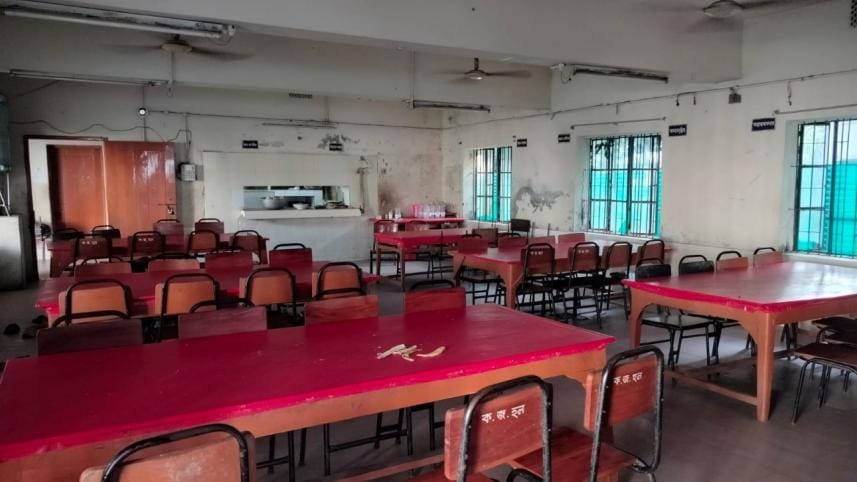
In Bangladesh's public universities, a "balanced meal" often means striking a balance between hunger and the risk of food poisoning. Shukanta (not his real name), a Master's student at Dhaka University, recently suffered from diarrhoea after consuming unhealthy food regularly at a residential hall. This is not an isolated incident; unfortunately, low-quality meals, sometimes accompanied by "high-protein insects," have long been a hallmark of dining halls at our public universities. The situation has always held a remarkable "consistency" regardless of which government was in power.
In 2023, a research study conducted by Professor Dr Sharmin Rumi Alim et al. in the Dhaka University canteens and cafeteria found alarmingly high bacterial counts, including E. coli, a bacterium responsible for diarrhoea, as well as evidence of faecal contamination. These findings reflect the broader condition of canteens across most, if not all, public university halls. It has been a long-standing challenge, with complaints often unheard and unanswered.
 For all latest news, follow The Daily Star's Google News channel.
Strong student bodies can potentially play an effective role in improving this grim scenario. However, historically, student bodies like the Dhaka University Central Students' Union (Ducsu) have been highly politicised and have tended to prioritise national politics over student welfare. This year's Ducsu election was held almost six years after the last one, coming as it did with sky-high expectations from stakeholders, particularly the general students. Nevertheless, structural and political barriers remain prevalent. Despite being a legally elected body, Ducsu remains institutionally handicapped.
The newly elected vice-president of Surja Sen Hall recently faced backlash after highlighting malpractices by the hall's canteen authority, including improper serving attire and unhygienic food. He fined them Tk 3,000 as a warning and threatened to shut down canteen activities if the situation did not improve. Another incident took place at Shahid Sergeant Zahurul Huq Hall, where the newly elected general secretary fined a canteen owner Tk 1,000 after spotting Monosodium Glutamate (MSG), popularly known as "tasting salt," during an inspection.
Both the university authority and the student representatives from different political bodies criticised these actions. "Hall union leaders have no authority to impose fines or interfere directly with canteen operations. That is solely the domain of the hall administration," the university proctor, Professor Saifuddin Ahmed, told a national daily.
Then how can student bodies like Ducsu play an effective role in ensuring students' welfare on campus?
Article 5 (a) of the Ducsu constitution grants the university's vice-chancellor (union president) unconditional authority over the elected student body, including the power to suspend the body or veto any of its decisions. It states:
"The President shall have power at any time, in the best interest of the Union, to dismiss any office bearer or member of the Executive Committee or to dissolve the Executive Committee as a whole and call for a fresh election or take such other action as he thinks fit for the running of the Union. The President may suspend the Union for such a period as he thinks fit, subject to the approval of the Syndicate of the University."
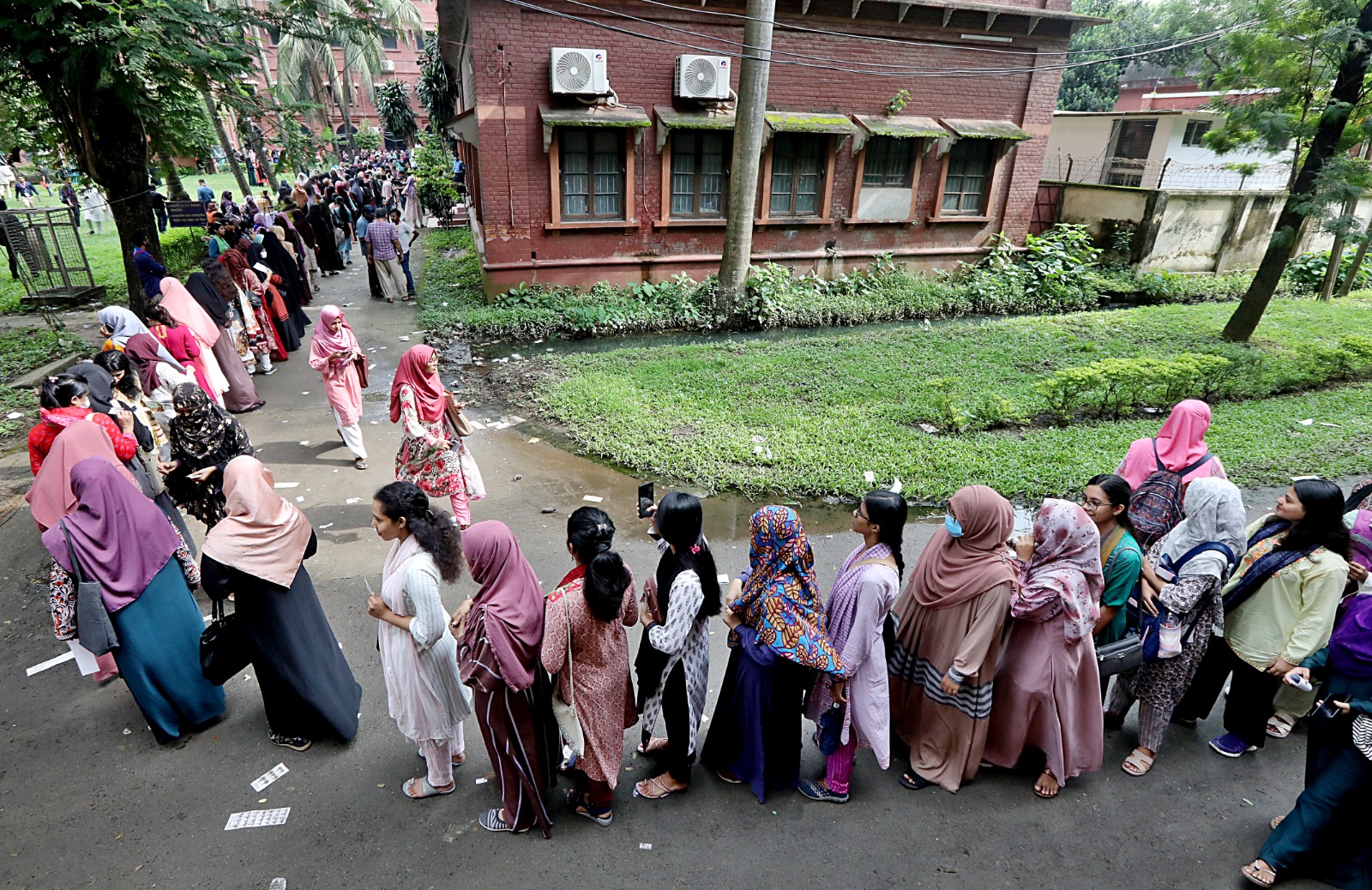
There is not even a single line in the 30-page constitution about proper nutrition and hygienic meals for either resident or non-resident students. This disempowering constitutional framework is often justified by the lack of capacity and motivation of the elected members of the Ducsu. On the other hand, student leaders affiliated with a ruling regime receive the administration's patronage and "blessings." For instance, during the previous regime, hall canteen authorities often justified the poor quality of food by claiming they had to pay "protection money" to ruling party-affiliated student leaders. This brings us back to square one, where general students—the silent, sidelined majority stakeholders—are kept from exercising their fundamental rights. The constitutional structure, combined with student leaders' lack of power, allows incompetent authorities to exercise unilateral power over what thousands of students consume daily.
We can learn from similar initiatives in similar contexts. For example, in October 2025, at IIT Kharagpur in India, the university administration formed an 8-member hygiene and food monitoring task force headed by the president of its student body. They are meant to prepare and submit monthly reports to the authorities, recommend corrective actions, penalties, or temporary closures in the event of non-compliance, and conduct awareness and training sessions for vendors on hygiene and food safety practices.
Likewise, the Ducsu constitution should be reformed to ensure its effective participation in student welfare activities. Irregularities in the student union elections risk representatives becoming involved with hall or canteen authorities for personal gain. No individual member of Ducsu should be allowed to impose penalties; rather, any decision to penalise canteen vendors should be made by the Ducsu body's majority. To determine any penalties, Ducsu must provide clear evidence of adulteration.
General students, on the other hand, should be allowed to run small shops and ventures in allocated spaces at little to no charge. This will not only increase the supply of quality food but can also be a source of income for many students who struggle to finance their education.
In addition, mobile courts should be allowed in hall canteens in collaboration with the Ducsu and hall authorities to monitor and punish the accused under existing laws. In fact, at Rajshahi University, the mobile court operation at the request of students and authorities received positive feedback. Besides, the terms and conditions under which the canteens are leased should be made public to ensure transparency and accountability.
Food quality is just one area where student bodies like Ducsu can play a useful role. A fairly elected body, combined with an empowering constitution, can help fulfil students' aspirations through their leaders.
Md. Ashikur Rahman is a research associate at BRAC Institute of Governance and Development (BIGD).
Sadman Mujtaba Rafid is an intern at BIGD.
Views expressed in this article are the author's own.
Follow The Daily Star Opinion on Facebook for the latest opinions, commentaries, and analyses by experts and professionals. To contribute your article or letter to The Daily Star Opinion, see our guidelines for submission.
Comments