


A warning for our health system
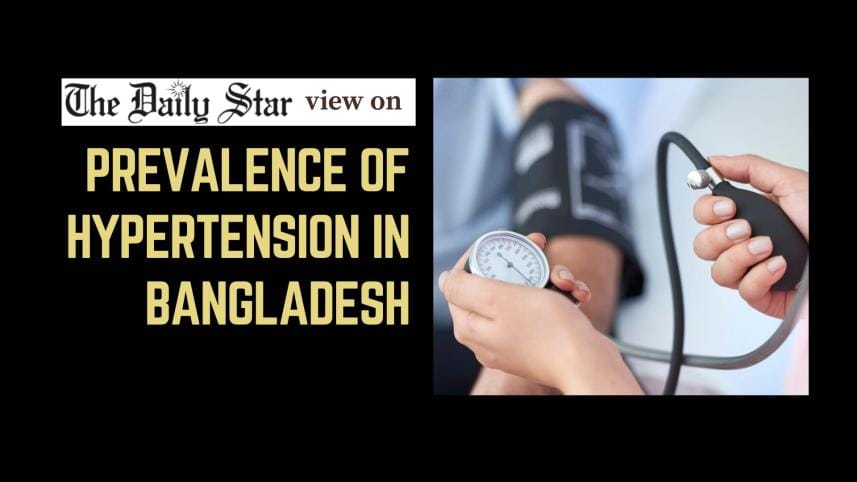
The latest Health and Morbidity Status Survey 2025 gives a stark warning about the nation's health. According to the survey, hypertension now affects 78 out of every 1,000 people, making it the most prevalent disease in the country. Not far behind are peptic ulcers (64 per 1,000) and diabetes (43 per 1,000). These chronic conditions require consistent monitoring, reliable diagnostics, and long-term treatment. Their rising prevalence points to a population increasingly burdened by non-communicable diseases at a scale our current health system is not prepared to manage.
The survey covered 1.9 lakh people from 47,040 households between November and December last year, and found that one-third of respondents experienced some form of illness in the 90 days preceding the study. Another troubling finding is that 51.2 percent of respondents relied on self-treatment or local pharmacies, while around 20 percent sought private healthcare, and only 11 percent went to government facilities. Such high dependence on informal care reflects a severe lack of accessibility to public healthcare. It also fuels antimicrobial resistance (AMR) as antibiotics—often dispensed without proper diagnosis—are frequently misused. Experts warn that AMR is no longer a distant threat; it is a growing reality, making common infections harder and more expensive to treat.
 For all latest news, follow The Daily Star's Google News channel.
 Another finding deserving the government's attention is the higher illness rates among women, both young and elderly, compared to men. Moreover, the persistent burden of out-of-pocket expenditure on the population, which averaged Tk 2,487 in the three months preceding the survey, is another serious concern. Such high healthcare costs are crippling for low- and middle-income families. The alarming trends underscore the urgency of health sector reforms.
The Health Sector Reform Commission had already made crucial recommendations with urgency to address the challenges exposed by the survey. It is, however, concerning that out of its 33 key reform proposals, the government has halted implementations of 15 following the Cabinet Division review. Notably, the excluded recommendations include VAT and tax exemptions on essential antibiotics and medicines for cancer, diabetes, and hypertension, along with proposals for a permanent health commission and a separate public service commission for doctor recruitment. Pushing back these reforms at a time when our health sector is already facing major challenges such as inadequate funding, a shortage of health workers, unequal access to services, and weak governance is most unfortunate.
We urge the government not to downplay the issues plaguing our health sector and to urgently implement the reforms to make healthcare delivery pro-people.
Comments