


Save aspiring migrants from trafficking
To see how irregular migration continues to claim the lives, aspirations and futures of many young people in the country is indeed distressing. The fact that at least 23 young men—18 from Shariatpur and five from Madaripur—have been missing for more than two years after travelling to Libya through human trafficking networks is another reminder of this painful reality. Unable to know whether their loved ones are dead or alive, their families have been living in unbearable anguish.
 For all latest news, follow The Daily Star's Google News channel.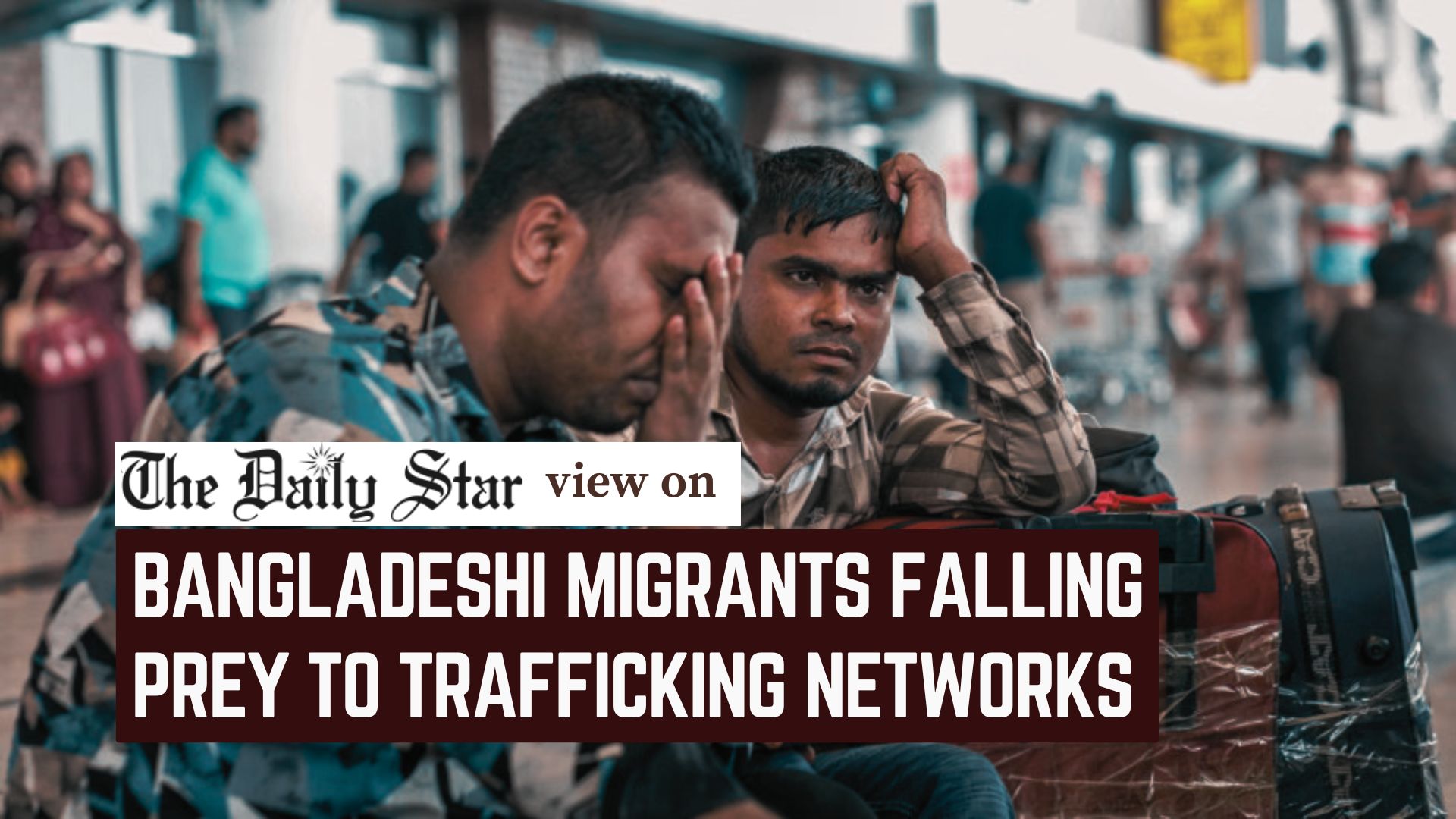
Reportedly, human traffickers target families with modest means, returnee migrants, and young people seeking economic opportunities abroad. In some communities, migration to Europe is deeply embedded in the social fabric, where dangerous journeys are often seen as a normal route to prosperity rather than a serious risk. Traffickers exploit this perception. Young men are reportedly moved through multiple countries before reaching Libya, a country fractured by years of instability and lawlessness. Many end up in the so-called “game ghar,” a detention-like facility where migrants are held before dangerous Mediterranean crossings. International organisations and rights groups have documented torture, extortion, forced labour, and abuse within these networks, including starvation, beatings and ransom demands placed on families.
The UN says Bangladeshis are now among the largest groups attempting the dangerous central Mediterranean route to Italy, with thousands leaving Libya each year despite the risks. While the IOM and the Bangladesh embassy to Libya assist with the repatriation of released migrants, the number of Bangladeshis currently held in Libyan detention centres remains unknown. Moreover, despite several reports of abuse and migrant deaths, trafficking networks continue to operate with impunity. Several victim families who have reportedly filed cases against brokers and traffickers have faced intimidation and retaliation, and some have even encountered counter-cases. What kind of state protection and support, then, are available to the trafficking victims and their families?
We urge the government to act with urgency and determination to end trafficking of our young people. It must intensify efforts to identify and dismantle such trafficking networks and ensure that the ringleaders are brought to justice. Families pursuing legal action must be protected from intimidation and harassment. Diplomatic efforts must be strengthened to trace the missing migrants and improve coordination with international agencies and authorities in transit countries. At the same time, young people need safer and more accessible pathways for skilled migration, as well as greater economic and entrepreneurial opportunities at home. Unless the conditions that make people vulnerable to trafficking are addressed, this cycle will continue.
Comments