


Poison on the plate?
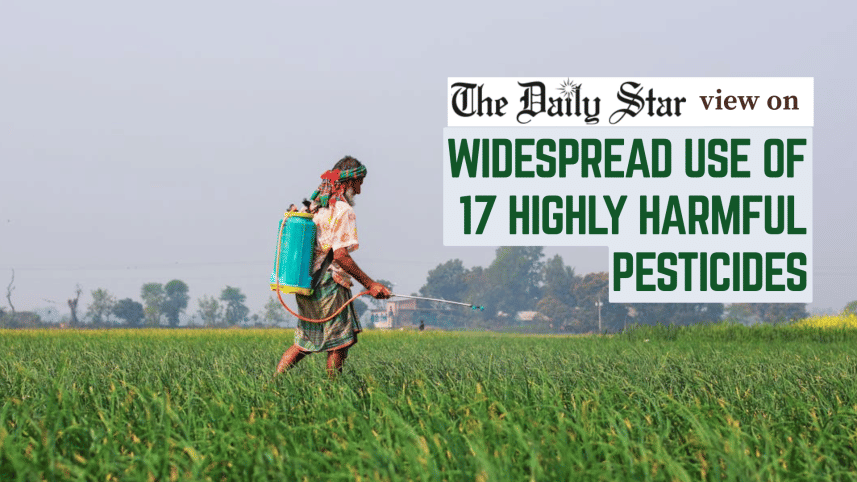
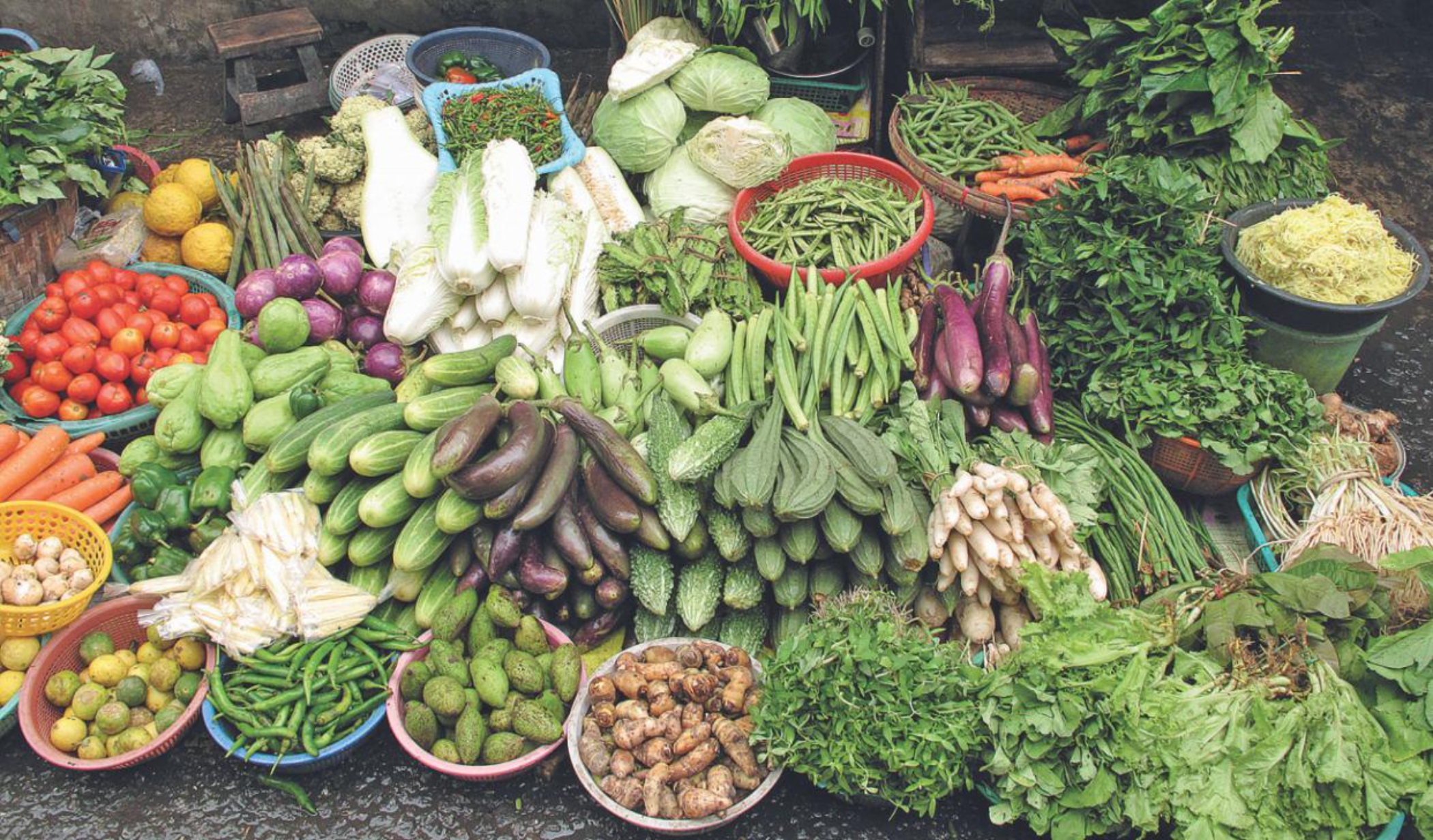
Consider a winter meal on a typical dining table. It includes beans, tomatoes and cauliflowers—a diet that, on the surface, appears wholesome. Yet, according to a chilling new study, to eat one's greens in Bangladesh is to play Russian roulette with one's health, metaphorically speaking. Recent tests on winter vegetables have revealed that nearly three-quarters exceeded maximum residue limits for pesticides; half of all cauliflowers and over 90 percent of beans were contaminated. Evidently, in its rush to secure food self-sufficiency, Bangladesh has allowed its fields to become a chemical wild west.
The study, funded by the Global Environment Facility, has identified at least 17 "active pesticide ingredients" currently in use that are classified as highly hazardous pesticides (HHPs) by the UN's Food and Agriculture Organization and the World Health Organization. These are not benign additives. As this newspaper has reported, they include chemicals like paraquat, a herbicide banned in the European Union and dozens of other nations for its tendency to damage human lungs and kidneys, and glyphosate, a probable carcinogen. In Bangladesh, however, they are being sprayed with abandon.
 For all latest news, follow The Daily Star's Google News channel.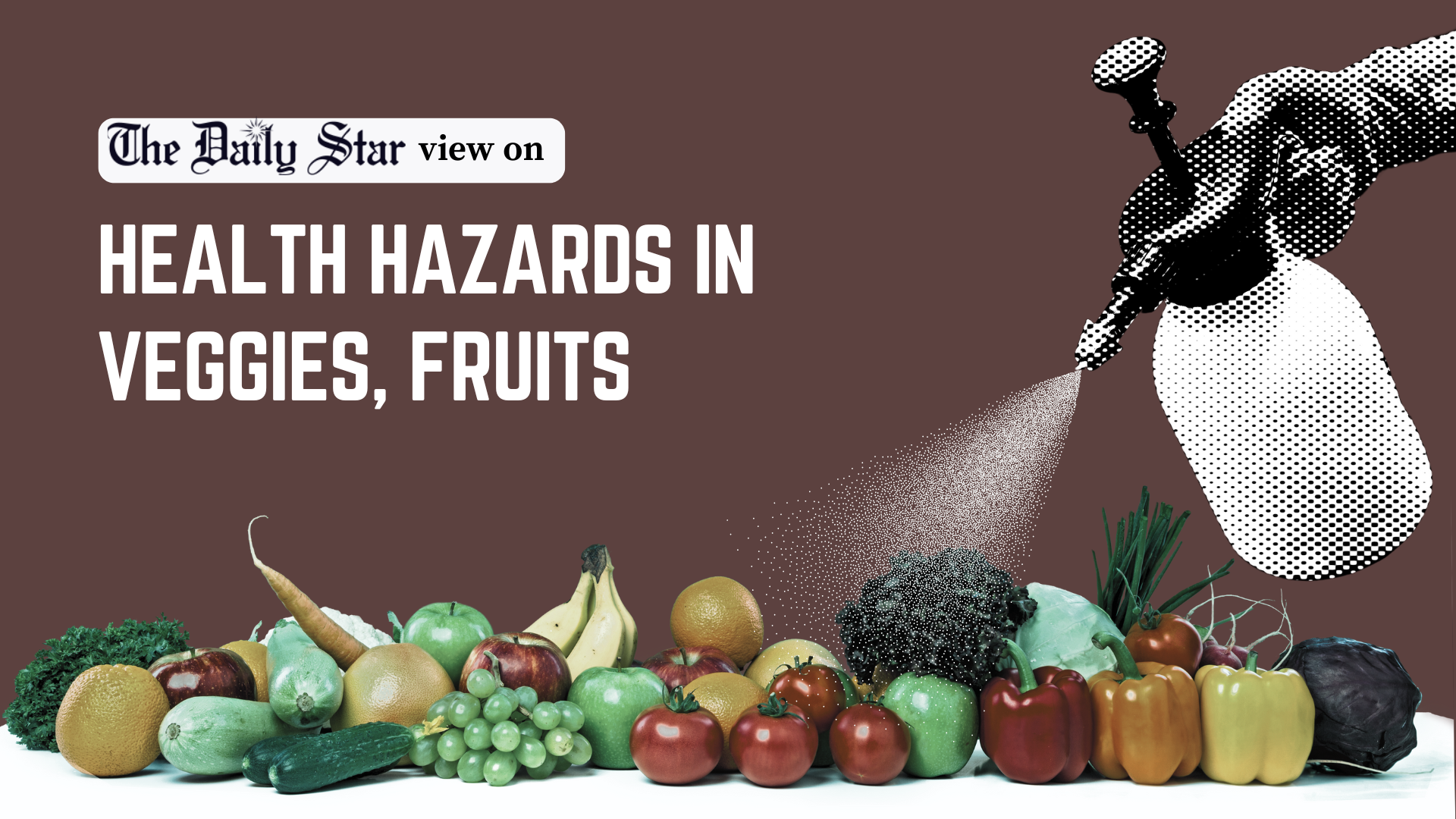
The result is a slow-motion poisoning of both the consumer and the farmer. In the countryside, where protective gear is often nothing more than a rag wrapped around a face, farmers are inhaling toxins that cause immediate respiratory distress and long-term neurological risks. A recent review suggests that over a third of farmers suffer acute symptoms after spraying. It is a grim irony that the very people labouring to feed the nation are doing so at grave personal risk.
Regulatory inertia is largely to blame for this. The number of pesticide companies in the country has surged sevenfold since 2010, flooding the market with over 8,000 products. The bureaucracy has failed to keep pace with this. Despite a 2020 High Court directive to phase out glyphosate and other toxins, the government has dragged its feet. The Department of Agricultural Extension's Plant Protection Wing appears toothless, unable to enforce rules or educate a workforce that sprays chemicals with terrifying zeal—sometimes up to 150 times in a single crop cycle.
Some might argue that Bangladesh, a land-scarce delta teeming with people, cannot afford a collapse in crop yields, and that banning efficient pest killers may lead to a food shortage. But this is a false dichotomy. The choice here is not between starvation and poisoning, but between lazy governance and innovation. There are safer, albeit sometimes more expensive, alternatives to HHPs. Integrated pest management and bio-pesticides exist, but they require an administration capable of policing supply chains and training farmers.
At present, the steady rise in pesticide use—topping 40,000 tonnes last year—suggests that the chemicals lobby is winning. The government must, therefore, decide whose side it is on. A phased ban on the worst offenders is long overdue. Then again, a ban on paper is useless without boots in the muddy fields to enforce it. While the country has made admirable strides in feeding its population, we must remember that a full stomach offers no protection against a poisoned future.
Comments