


A crisis born of delay and neglect
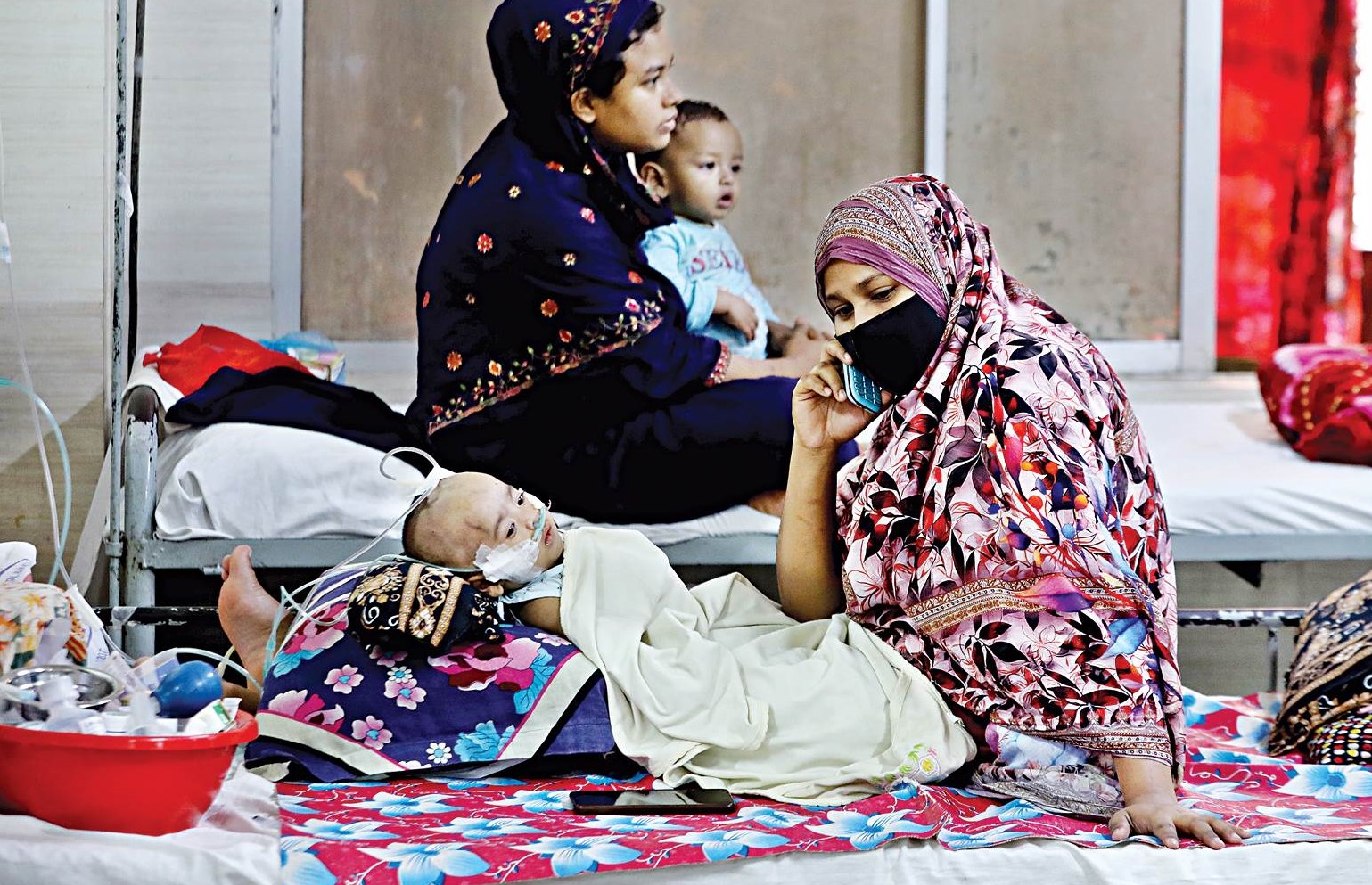
The ongoing measles outbreak—a disease that Bangladesh once brought under control through the widely lauded Expanded Programme on Immunisation (EPI) launched in the late 1970s—has laid bare the cost of state negligence. The official death toll has already crossed 50 children, and is likely to rise, as hospitals across the country report a steady increase in infections. Disturbingly, most of those infected had not been vaccinated despite reaching or passing the recommended inoculation age of nine months. Even more alarming, babies younger than nine months are now contracting the disease.
How did such a lapse occur? A Prothom Alo report points to delays in vaccine procurement caused by bureaucratic indecision within the health ministry and related departments during the interim government’s tenure. As stocks ran out and campaigns were postponed, the number of unvaccinated infants grew, setting the stage for the present outbreak. Given that measles is highly contagious, with one infected person capable of infecting up to 18 others, the spread has been quite rapid. Many children have already been infected, particularly across Dhaka, Chattogram, Rajshahi, Chapainawabganj, Pabna, Barishal and Mymensingh. The lack of ICU facilities in most hospitals, especially outside Dhaka, has further contributed to the high fatality rate.

Against this backdrop, Health Minister Sardar Md Sakhawat Husain on Wednesday announced that an emergency measles vaccination campaign will start from April 5. Earlier, although measles-rubella vaccines were stocked, a nationwide campaign remained stalled due to a shortage of syringes. That said, successfully containing this crisis will require firm commitment and persistent action from the government. Experts recommend aiming for 100 percent vaccination coverage for all children between six months and 15 years. Immediate door-to-door campaigns and widespread awareness efforts are essential to inform parents about the urgency of vaccination, the symptoms to watch for, and when to seek medical care. Simultaneously, ICU capacity must be expanded nationwide with dedicated wards for measles and rubella patients, an approach that was successfully implemented during the Covid-19 pandemic. Provisions should also be made for older children and adults who missed being inoculated.
It is unconscionable that infants are dying from a preventable disease due to gaps in routine immunisation. The government must urgently revive and strengthen all EPI programmes, while ensuring that hospitals are equipped with essential life-saving supplies such as oxygen and critical medicines. Encouragingly, as part of the emergency vaccination campaign, the government is said to be prioritising upazilas with a high number of measles cases, eventually covering all children aged between six months and 10 years. But plans alone will not save lives. Vaccination must continue aggressively. Nationwide coverage of other essential vaccines must also be ensured. Every day of delay risks more infections, more preventable deaths, and the loss of hard-won public health gains.
 For all latest news, follow The Daily Star's Google News channel.


Comments