


Toxic waste in our rivers: Stop this threat immediately
Globally, the boundary for biogeochemical flows of natural nutrient cycles, mainly nitrogen and phosphorus, through activities such as fertiliser use and sewage discharge from freshwater to the ocean has already passed a safe operating space for humanity. The concept of river pollution encompasses a broader definition than biogeochemical flows; it is driven by various waste products, including sewage, industrial effluents, nutrients, pesticides, plastics, and chemicals. Yet the boundaries for river pollution are unknown across the globe.
The growing threat of climate change and other sustainability challenges, such as population growth, urbanisation, and water scarcity, is increasing the risk of generating large-scale abrupt or irreversible social–ecological catastrophe. The impacts of river pollution can be drastic or immediate, no matter the drivers, but can severely risk the ecological and societal systems in which we live.
Bangladesh is known as the land of rivers and flooding. River pollution in Bangladesh is a myth to both local and global society. However, the transboundary context of rivers in Bangladesh and growing local drivers, such as industry, population, urbanisation, and degradation of wetlands, have polluted our rivers, where the impacts are experienced in both social and ecological systems. Bangladesh is among the top 20 countries contributing to plastic emissions from rivers to the ocean. Additionally, and alarmingly, India and China are at the top of the list, with which Bangladesh shares many transboundary rivers, including the mighty Ganges and Brahmaputra.
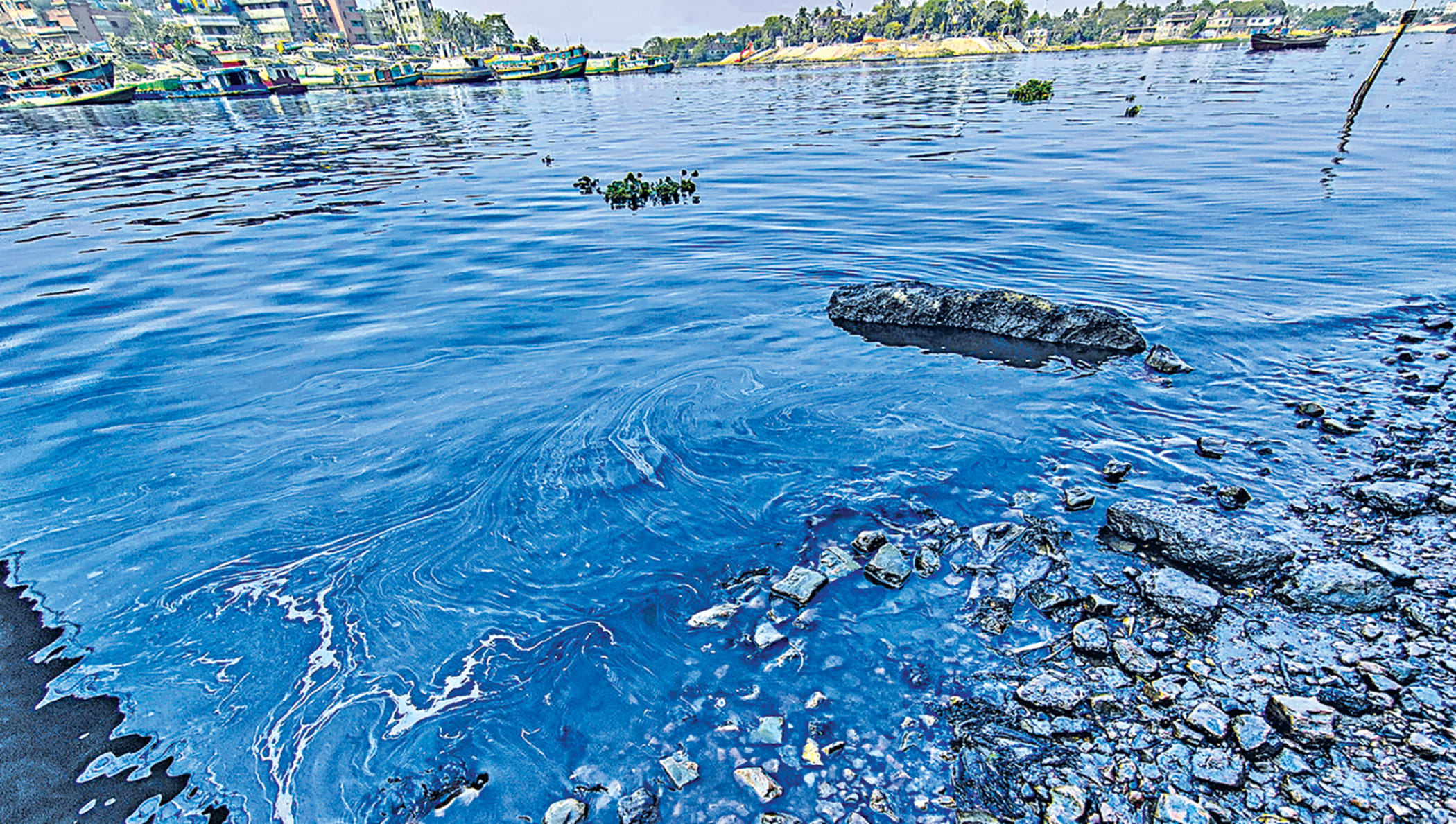
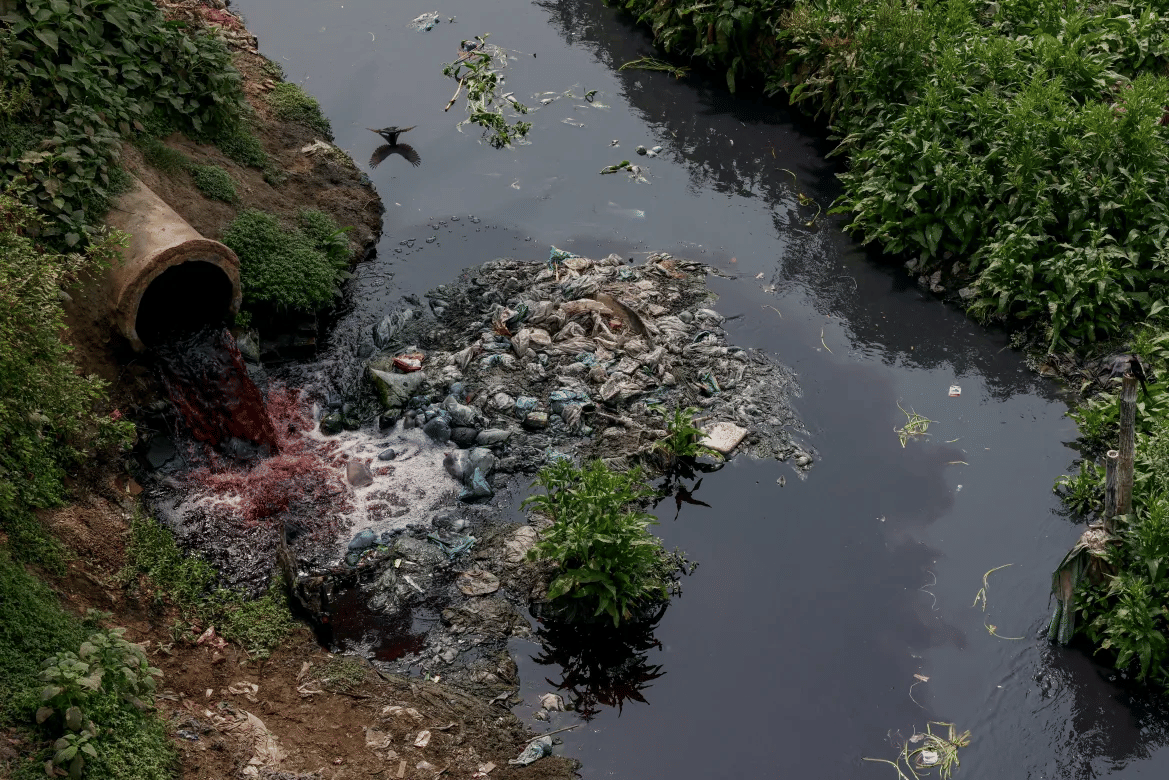
Although river pollution in Bangladesh was initially limited to urban areas, mainly around Dhaka city, the transboundary context of the rivers and growing local drivers are increasing pollutants in the rivers. The rivers surrounding Dhaka, including the Buriganga, Turag, and Shitalakkhya, are among the most polluted in Bangladesh. These rivers receive vast amounts of untreated waste from factories (at least ~3,000) that discharge industrial effluent directly into rivers without proper treatment. Forever chemicals, originating from tanneries, textiles, and chemical industries, have been detected in the rivers around Dhaka city. These substances impose a significant risk to the ecosystem and human health due to their unique, persistent nature of stability, accumulation in living organisms, and the challenge of removing these chemicals using conventional methods.
The Department of Environment (DoE) stated in the water quality report (2023) that rivers around Dhaka city do not meet national standards. Our recent analysis of water quality data from eight major rivers, spanning 2017 to 2023, reveals that the water quality is unsuitable for fisheries in the Meghna, Buriganga, Shitalakkhya, and Turag rivers. The decline in water quality is mainly driven by organic and inorganic pollutants originating from municipal sewage, domestic waste, and industrial wastewater (mostly textile and leather).
The presence of heavy metals (chromium, lead, arsenic, copper, and nickel) in major rivers, including rivers in Dhaka city, is alarmingly high. Heavy metal pollution has reached critical thresholds in major Bangladeshi rivers, most notably the Buriganga, Shitalakkhya, Padma, Karnaphuli, and Dhaleshwari. This environmental deterioration is the direct result of rapid urbanisation, agricultural runoff, and poorly managed industrialisation. The effluent profiles of the textile, pharmaceutical, and tannery industries remain the dominant sources of these hazardous metallic contaminants.
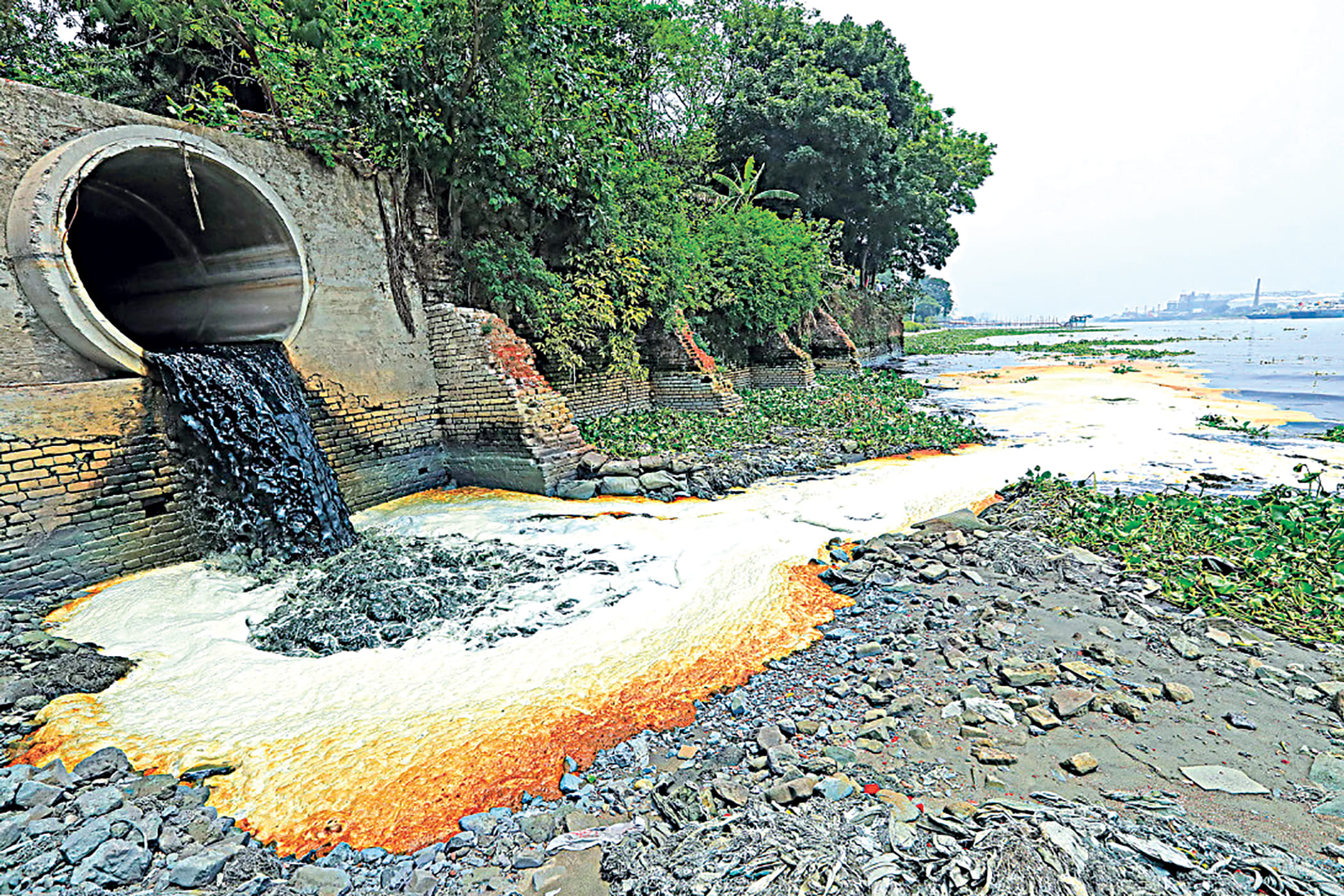
The agricultural runoff also plays a significant role in river pollution, which in turn negatively impacts irrigation and fish health, ultimately entering the food chain, severely posing health risks (including carcinogenic risks and neurological disorders) due to polluted river waters. With the growing economy and population of Bangladesh, microplastics in river waters are alarmingly increasing due to industrial production and the use of plastic materials, which also significantly spread during the monsoon season due to rainfall and flooding across the rivers in Bangladesh. Though the safety standard for microplastics remains unclear, globally, there is a call to understand the effects of these pollutants and to minimise the production, design, and disposal of plastics more responsibly.
The coastal rivers are highly saline due to sea-level rise, and the reduction of freshwater from upstream imposes risks to the ecosystem, health, and human wellbeing. The daily struggles for safe drinking water and the damage to agriculture, fisheries, and mangrove forests due to high salinity are not hidden from the national and global community. Transboundary rivers such as the Padma and the Brahmaputra have water quality that is close to an unsuitable level for fisheries. Our research findings coincide with the field-based observations and water quality testing results of research led by Dhaka University. In summary, several studies highlight the presence of microbiological (e.g., bacteria and coliforms) and chemical (e.g., chromium, lead, and arsenic) contaminants in the Padma River due to industrial effluent, untreated sewage, and agricultural runoff. This is highly alarming because the Ganges in India and rivers in China are among the most polluted rivers in the world, and many of these transboundary rivers flow through Bangladesh. The growing economy, industrialisation, and population are projected to increase significantly in India, Bangladesh, and China, where industrial waste, urban sewage, and agricultural runoff are poorly managed and often discharged into rivers without proper treatment.
There are many initiatives taken to reduce river pollution, mainly around Dhaka city. River water quality shows improvement, but not enough to avoid risks to the ecosystem and human health. If current trends continue, river pollution in Bangladesh will worsen. Though we do not plan to provide an exhaustive list to reduce river pollution, we underscore some of the key policy implications to avoid social–ecological catastrophes.
First, there are no alternatives to regular monitoring and assessment of water quality. There are several reports and media recommendations for zero tolerance of illegal discharge. Industrial and agricultural pollution data for rivers can be made public through a digital dashboard, where cutting-edge technology, such as machine learning, can provide real-time information on pollution and risks to health and the ecosystem. The government should consider a new rule for sustainability reporting (also known as ESG reporting). This would apply to all government offices, private organisations, and industries in Bangladesh. ESG (Environmental, Social, Governance) reporting is how a company shares information about its impact on the environment, society, and management (governance). For example, the European Union already uses a rule called the Corporate Sustainability Reporting Directive (CSRD). This law requires large companies to be transparent about their environmental and social risks.
Second, the government should impose higher taxes on small plastic packaging, such as mini-packs for shampoo, toothpaste, and biscuits. While these mini-packs are cheap and popular, they cause significant harm to the environment. For example, a large bottle of shampoo is easier to recycle. In contrast, small 5-taka packs usually end up in landfills, drains, and rivers. These packs contain plastic, chemicals, and toxic dyes that pollute the environment. To protect nature, the government should either ban these mini-packs or tax them heavily. This will encourage people to use larger, more sustainable containers. In addition, the collection of household waste (category-wise) systems needs to be urgently addressed to prevent plastics and other waste from entering the water. An E-waste disposal policy is timely, considering the increase in usage of mobile phones, computers, and related electronic devices.
Third, our garments and other industries are rapidly moving towards sustainability. However, governments need to build strong collaborations with all stakeholders to reduce river pollution. Utilising economic instruments such as water tariffs, enforcement incentives, and a cap-and-trade system can be instrumental in changing the behaviour of private polluters towards supporting river protection. The education system needs to be revisited and tailored to local and national needs while remaining globally excellent. There is an urgent need for collaboration between academia, industry, and other stakeholders to ensure that future leaders are equipped to combat river pollution.
Fourth, negotiation for transboundary waters to ensure the safe operating space of river water is a must. Transboundary water diplomacy needs to include transboundary pollution. This needs to be underscored urgently, as the rapidly growing economies of India and China will generate more waste, possibly without proper wastewater treatment infrastructure. Climate change will add an extra layer of risk to river pollution due to changes in rainfall, and an increase in drought can concentrate pollutants during the dry season and spread contaminants more widely during floods. Negotiating upstream flow agreements and joint monitoring of transboundary rivers are imperative to ensure rivers are safe for people and the ecosystem across South Asia.
Fifth, a systems approach is a must to ensure cost-effectiveness and to avoid the ripple effects of mitigation strategies. This can combine with a push towards a circular economy to ensure maximising the use and reuse of resources by eliminating waste and pollution, circulating products, and regenerating natural capital towards achieving net zero. Thus, systems-thinking-based circular economy is critical to prioritise with a proper, workable action plan in the ‘National Industrial Policy 2022’. The National Industrial Policy 2022 must be effectively linked to relevant government institutions within the official policy framework. For instance, while the National Industrial Policy 2022 provides a detailed timeline of actions and identifies responsible government bodies, a significant implementation gap exists. Specifically, the Medium Term Budget Framework (MTBF) and the Annual Performance Agreement (APA) of these implementing institutions are seldom synchronised with the action plans outlined in the policy. Furthermore, there is a critical absence of a dedicated monitoring body to oversee and follow up on the progress of these inter-institutional actions.
Restoring wetlands and rivers can offer nature-based solutions to river pollution. A large part of the wetlands, canals, and rivers are degraded and lost due to the growing population, urbanisation, and industrialisation. Restoring these wetlands and rivers can help naturally mitigate the risk of pollution to avoid a social–ecological catastrophe.
Key points
1. River pollution is escalating, threatening social–ecological stability.
2. Transboundary flows and local industries are intensifying toxins and plastic pollution.
3. Urban waste, agriculture, and heavy metals endanger both health and fisheries.
4. Weak enforcement, poor monitoring, and inequitable governance exacerbate these risks.
5. Urgent regional cooperation, regulation, and restoration are needed to avert catastrophe.
Dr Md Sarwar Hossain is an Associate Professor & Director of the Postgraduate Programme of the School and Programme Director of MSc in Environmental Risk Management, School of Social & Environmental Sustainability, University of Glasgow, Dumfries, UK.
Mohammed Ali Nause Russel is a PhD researcher, School of Social & Environmental Sustainability, University of Glasgow, Dumfries, UK.
Alamgir Kabir is an Assistant Professor, Department of Environmental Science, University of Professionals, Bangladesh
Send your articles for Slow Reads to slowreads@thedailystar.net. Check out our submission guidelines for details.