


BB tipped as regulator for microcredit banks
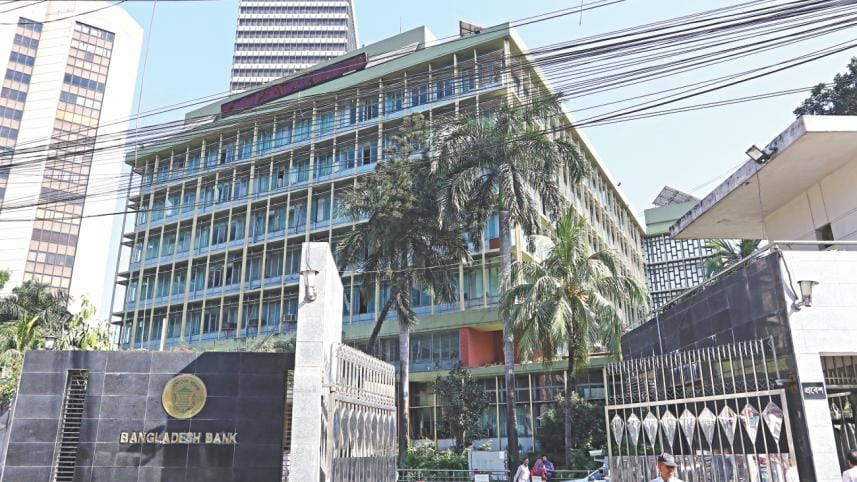
The Bangladesh Bank (BB) has been recommended as the licensing authority for microcredit banks by the technical committee working on the draft ordinance containing regulations for these institutions.
The draft Microcredit Bank Ordinance 2025, unveiled by the Financial Institutions Division (FID), had named the Microcredit Regulatory Authority (MRA) as the licensing body.
 For all latest news, follow The Daily Star's Google News channel.
 However, industry leaders opposed the proposal, warning that it would create a dual licensing system with BB being the regulator for banking institutions in general.
The Daily Star has seen the recommendations by the review panel.
It also recommended doubling the minimum paid-up capital requirement for a microcredit bank to Tk 200 crore and authorised capital to Tk 500 crore from the previous Tk 300 crore.
Changes were proposed in board composition as well. The original draft suggested three directors from borrower-shareholders, three from other shareholders, and the managing director as a board member.
The review committee recommended a new structure with four borrower-shareholder directors, three from other shareholders, two independent directors nominated by the licensing authority, and a non-voting managing director.
The Bangladesh Bank will also have the authority to remove directors or reconstruct the entire board – powers not included in the original draft.
Another key change concerns liquidation. Liquidation of microcredit banks will now follow the provisions of the Bank Company Act, reversing the draft’s proposal that excluded them from this law.
The review comes following debates over licensing authority, profit motives, and other governance issues, prompting the government to form an eleven-member technical review committee led by Sayed Kutub, additional secretary of the FID.
The original draft had envisioned microcredit banks combining the outreach of microfinance organisations with commercial banking services, offering products ranging from savings accounts to agricultural loans without requiring collateral.
It proposed that microfinance banks would operate as social institutions, prioritising support for new entrepreneurs and providing loans either in cash or other forms for a wide range of economic activities.
Comments