


Justice delayed, for women in law
Despite a steady rise in the number of female lawyers in Bangladesh over recent decades, women continue to face discrimination, limited opportunities, harassment and structural barriers in the justice system.
Legal experts and practitioners say although more women are entering the profession than ever before, their representation remains disproportionately low. They add that numerical growth has not translated into equal opportunities, recognition, or supportive working conditions.
 For all latest news, follow The Daily Star's Google News channel.
 According to a 2016 survey by Justice Audit Bangladesh, a Germany-based project, women made up around 13 percent of lawyers in the country at the time. Of nearly 57,000 lawyers nationwide, only 7,309 were women.
Bangladesh Bar Council Secretary Mohammad Kamal Hossain Sikder told The Daily Star that there are now around 80,000 lawyers across the country, but could provide the figures for women. He said the council is working to compile the data, which may take at least three months.
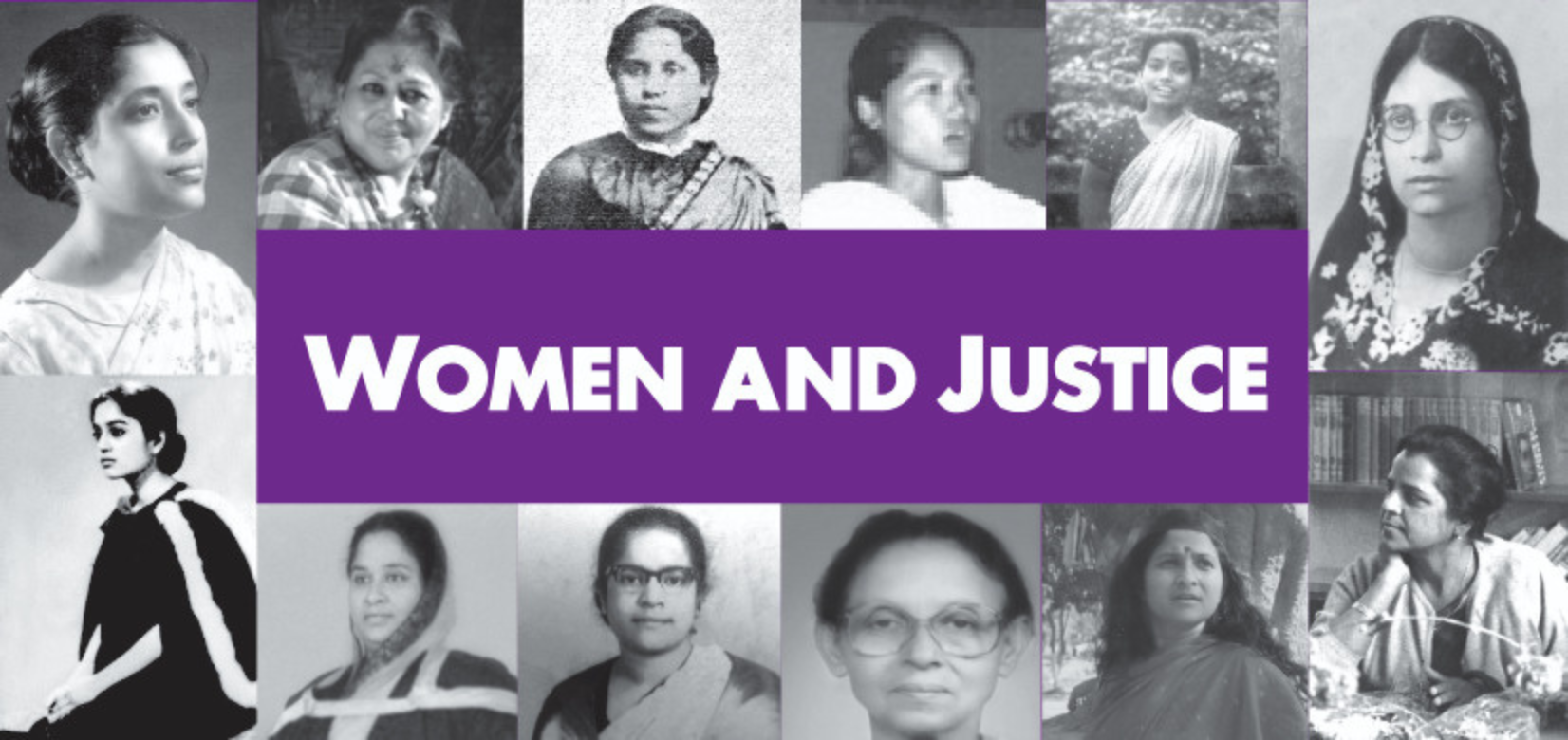
Senior Supreme Court lawyer and former president of the Bangladesh National Woman Lawyers Association, Advocate Fawzia Karim Feroze said women remain significantly underrepresented despite overall growth in numbers.
“Even if the number of female lawyers rises to 15,000, their representation would still remain below 20 percent because the number of male lawyers is also increasing simultaneously,” she said.
She said that although many female lawyers regularly attend court and remain active in practice, a large number fail to receive adequate courtroom exposure and mentorship.
Often female lawyers are confined to chamber-based work such as drafting and paperwork, she said, adding that as a result, many women are unable to develop the confidence and advocacy skills required to establish independent practices. That, in turn, contributes to their low presence in senior legal positions, she said.
Fawzia Karim put down women candidates in bar association elections to window dressing. She alleged that women lawyers frequently face sexual harassment, mental pressure, and professional discrimination throughout their careers.
Barrister Sarwat Siraj Shukla said the number of women in courts has increased significantly over the past three decades, but the nature of their struggles remains largely unchanged.
“Women need a supportive ecosystem to thrive in their profession,” she said, adding that many begin their careers with enthusiasm but later face setbacks after marriage and motherhood due to a lack of childcare support and family cooperation. She described this interruption as a “pregnant pause”, noting that many women find it difficult to return to practice after raising children. The absence of nursing stations, reliable crèches, and paid maternity leave in most law chambers discourages continued participation.
Supreme Court lawyer Ishrat Hasan said women continue to face professional, social and institutional challenges. She added that women also struggle to balance professional duties with family and social expectations, and remain underrepresented in leadership positions within bar associations and law firms.
According to her, the absence of daycare centres, breastfeeding rooms, and flexible working arrangements in many court premises creates additional difficulties for lawyer mothers.
Supreme Court lawyer, Advocate Momtaj Parvin Mou said low income during the initial years makes it difficult for families and in-laws to support women pursuing legal careers. The absence of institutional maternity programmes and adequate daycare facilities further affects professional growth.
She also alleged that women lawyers are often paid less than male colleagues and struggle to gain clients’ trust or opportunities to handle important cases, forcing them to work harder to prove competence.
Although the Supreme Court and Dhaka Bar Association have daycare centres, most other bar associations do not. Even existing facilities are inadequate, often consisting a single small room serving thousands of women lawyers with only one or two caregivers.
Bangladesh Bar Council Chair and Attorney General Md Ruhul Quddus Kazal declined to comment on the issue when contacted.
Comments