


All hopes will lose steam without a sustainable energy plan

Bangladesh stands at the brink of a major energy crisis, the consequence of decades of emphasis on power generation without securing a sustainable supply of primary energy. As early as 1996, the nation’s energy policy warned against single-fuel dependency on natural gas and recommended developing coal resources in the northwest to diversify supply and serve the energy-starved western region. Yet, despite clear signs of gas shortages by 2007, exploration efforts remained minimal. Since the Bibiyana discovery, the “BAPEX-only” policy has yielded negligible additions to reserves, while production has steadily declined since its peak in 2016–17. Current output from national oil companies and IOCs is about 1,500 mmcfd (70%), supplemented by just over 1,000 mmcfd of LNG imports (30%), against a demand of 4,000 mmcfd. Industries, long reliant on cheap indigenous gas, are now struggling under severe shortages.
The most pressing concern is the decline of Bibiyana, which supplies nearly 40% of total gas. At 18 years old, the field is nearing depletion, and output could collapse within the next few years. Bangladesh lacks the infrastructure to expand LNG imports beyond current capacity, and no new facilities are expected before 2029. Any disruption to the existing FSRUs would have equally devastating consequences.
No development strategy can succeed without resolving this primary energy crisis. Shortages will intensify after LDC graduation, compounding industrial, financial, and trade challenges. Decades of neglect cannot be reversed overnight: import infrastructure, exploration, fuel switching, and renewable deployment all require time. In the short term, LPG and oil remain the only viable stopgap solutions. The critical task for policymakers is to manage a transition from entrenched usage patterns to more market-based alternatives.
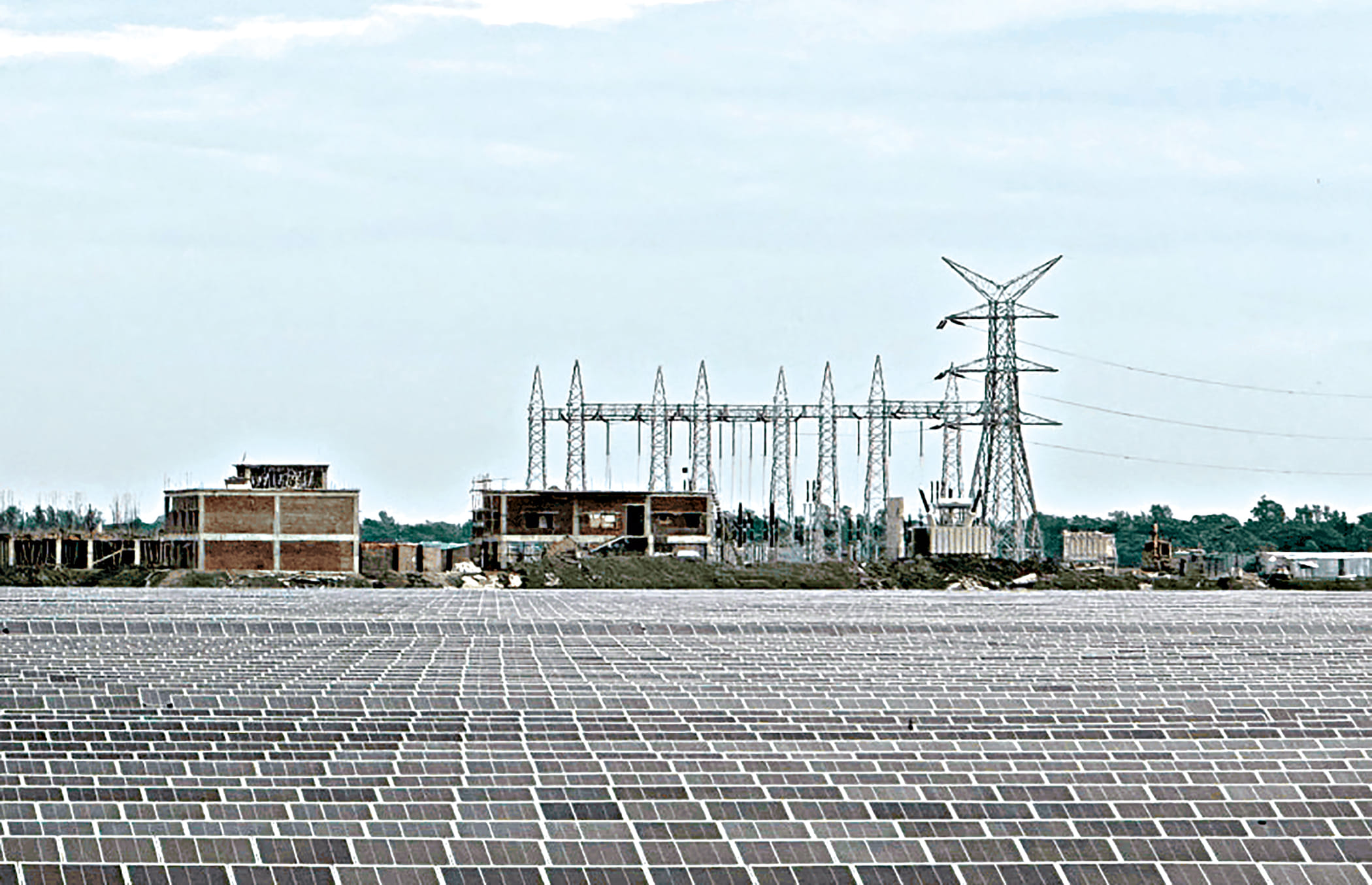
Sectoral dependency on gas (excluding electricity) is significant: industry 44%, residential 13.5%, commercial 12.7%, and transport 17.7% (SREDA, April 2024). Industry, the largest consumer, is most vulnerable. Although only 13.5% of households rely on piped gas for cooking, these belong to the most privileged groups, and shortages could spark social unrest. In transport, shifting from CNG to petrol or LPG would be relatively painless, while commercial use can be redirected to LPG. Piped gas must be metered and priced at import parity, with households choosing between LPG and electricity depending on affordability. These transitions demand careful planning.
Industry’s heavy reliance on gas makes it the sector most at risk. While low-energy industries may adapt to LPG, costs will be prohibitive for energy-intensive sectors such as textiles, cement, ceramics, and steel re-rolling. Rising energy costs, combined with higher labour expenses and shrinking margins, could force garment factories to close, undermining export earnings. Currently, 41% of natural gas is used for grid electricity and 17% for captive power. If the planned 2,400 MW of nuclear power and 9,000 MW of coal-fired plants operate at full capacity, gas could be redirected to industry. Painful though it may be, reallocating gas is unavoidable. In the short run, Bangladesh may need to rely again on oil-based plants, while scaling up LPG supply and distribution is essential.
These measures may ease the crisis but will not reduce import dependency or the strain on foreign currency reserves. Indigenous gas production must be prioritised, alongside exploration for new reserves. Since Bibiyana’s discovery in 1999, Bangladesh has failed to find another significant field. Governments have favoured quick fixes like rental power and imports, while underfunding BAPEX, which lacks the resources and expertise to succeed. This policy must change. International reservoir management companies should be engaged to reassess production and exploration using existing geological data. Coal and renewable energy also offer potential to reduce import dependency.
The Barapukuria underground coal mine has been a disappointment, producing only one million tons annually—less than 5% of proven reserves in 20 years. Agricultural land was damaged despite underground mining being chosen to protect it, with subsidence of 20–30 feet rendering large areas unusable. The shallow sections of Barapukuria and Fulbari could be reassessed for surface mining, though aquifer management remains a major challenge. Despite coal’s environmental drawbacks, Bangladesh will rely on it to generate 9,000 MW over the next 25 years, requiring 33 million tons annually.
Renewable energy has never been seriously pursued. Government efforts have been tokenistic, leaving the sector to private investors who struggled with land acquisition and rigid power system controls. Early government participation could have set the system on the right path. Neglect of grid automation and the absence of an independent system operator have further slowed renewable deployment. Rising electricity costs have pushed industries toward rooftop solar, which is expanding rapidly, but grid-connected solar parks remain underdeveloped, with less than 1,000 MW capacity producing under 1% of total energy. Without government-backed projects, reaching even 5,000 MW by 2030 is unlikely. At least half of new renewable projects will require battery storage to meet evening peak demand. Any renewable addition, however, reduces fuel imports and strengthens energy security.
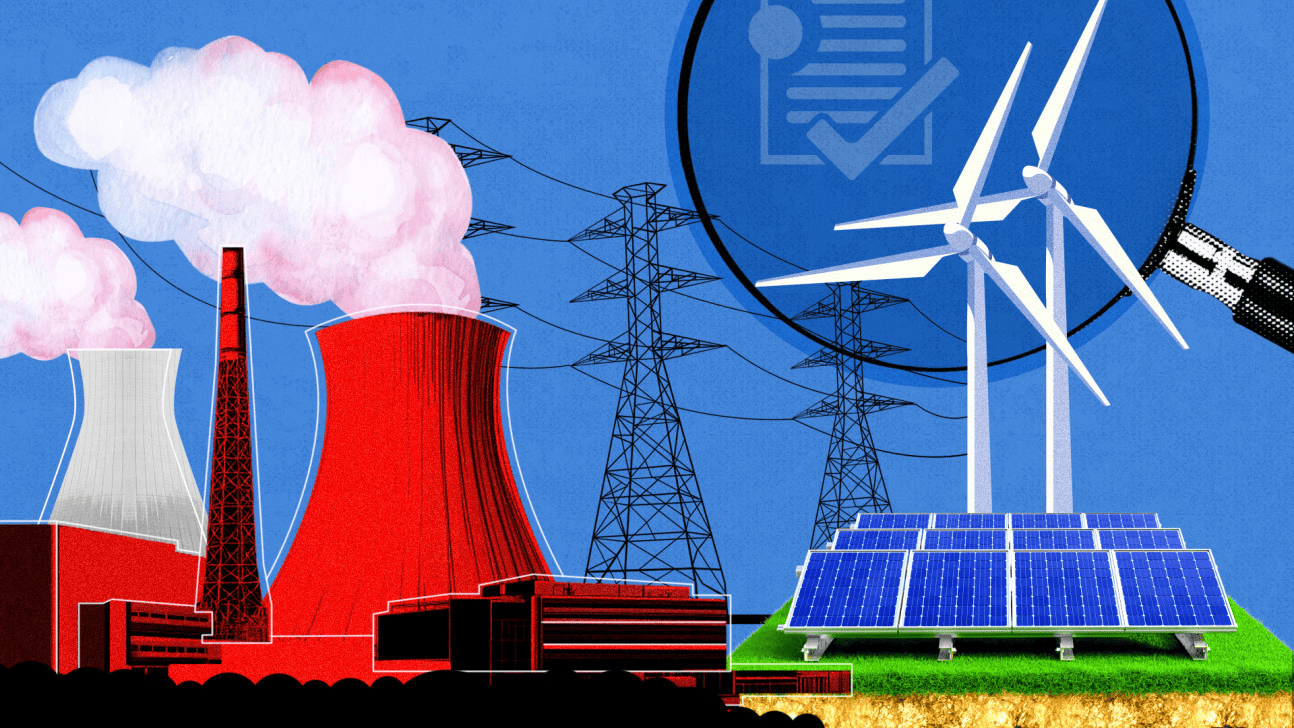
Globally, the transition to carbon-free power is accelerating, but for Bangladesh—with limited resources and a low-emitting, energy-starved population—the challenge is steep. China and India, despite leading in renewable deployment, continue to rely heavily on coal to bridge gaps. Bangladesh must adopt a similar approach: expand renewables as quickly as possible, but fill the shortfall with fossil fuels. Energy starvation leads to greater environmental degradation, and shortages cannot be allowed to stall economic growth. Energy must be not only sustainable but also available, affordable, and accessible to all citizens, in line with SDG 7.
M. Tamim Academic and the Vice Chancellor of Independent University, Bangladesh (IUB). Before joining IUB, he served as a Professor of Petroleum and Mineral Resources Engineering and Dean of the Faculty of Chemical and Materials Engineering at the Bangladesh University of Engineering and Technology (BUET).
Send your articles for Slow Reads to slowreads@thedailystar.net. Check out our submission guidelines for details.